How I Took Control of My Blood Pressure – A Real Rehabilitation Journey
High blood pressure creeps in quietly, often without symptoms, yet it strains your heart and damages vessels over time. I learned this the hard way. After my diagnosis, I felt overwhelmed—until I embraced a structured, science-backed rehabilitation plan. It wasn’t about quick fixes, but sustainable changes. This is how I regained control, step by step, with real strategies that made a difference. What began as a moment of fear transformed into a journey of empowerment, supported by medical guidance and personal commitment. Today, my numbers are stable, my energy has returned, and I feel more in tune with my body than ever before.
The Wake-Up Call: Facing Hypertension
The diagnosis came during a routine checkup. My blood pressure reading was 158 over 96. The doctor said, “We need to talk.” I remember sitting on the edge of the exam table, my hands gripping the paper-covered edge, trying to process what this meant. I wasn’t experiencing headaches, dizziness, or chest pain—nothing dramatic. But the numbers didn’t lie. I had stage 1 hypertension, and at 47, I wasn’t as invincible as I once believed. The emotional impact was immediate: a mix of shock, denial, and quiet shame. I thought high blood pressure only affected older men who ate too much salt and never exercised. But here I was, a woman with a full-time job, two children, and a life that felt out of balance—now facing a chronic condition that could quietly harm my body for years.
Like many, I had believed that as long as I felt fine, I was fine. That misconception is dangerous. Hypertension is often called the “silent killer” because it typically shows no obvious symptoms until serious damage has occurred. It can silently weaken arteries, strain the heart, and increase the risk of stroke, heart attack, and kidney disease. According to the American Heart Association, nearly half of all adults in the United States have high blood pressure, yet many are unaware of their condition. This lack of awareness is one of the biggest barriers to early intervention. Without routine screenings, people may live with elevated pressure for years, unaware of the toll it’s taking.
What changed everything for me was understanding that early action matters. High blood pressure doesn’t have to lead to complications if addressed promptly. The body has an incredible capacity to heal and adapt, especially when supported by consistent, healthy choices. My doctor emphasized that starting a rehabilitation plan early could prevent long-term damage and possibly reduce or eliminate the need for medication over time. That conversation shifted my mindset—from fear to responsibility. I realized I wasn’t powerless. I could take meaningful steps to protect my health, starting that very day.
Understanding the Basics: What Blood Pressure Really Tells You
Blood pressure is more than just two numbers on a screen—it’s a vital sign that reflects how hard your heart is working and how resilient your blood vessels are. The top number, systolic pressure, measures the force your heart exerts when it beats. The bottom number, diastolic pressure, shows the pressure in your arteries when your heart rests between beats. A reading under 120 over 80 is considered normal. When either number consistently exceeds that range, especially above 130 over 80, it signals that your cardiovascular system is under strain.
Think of your arteries like garden hoses. When water flows through at moderate pressure, the hose remains flexible and intact. But if the pressure is too high, the hose can weaken, bulge, or even burst over time. Similarly, chronic high blood pressure damages the inner lining of blood vessels, making them less elastic and more prone to plaque buildup. This condition, known as atherosclerosis, restricts blood flow and increases the risk of blockages. The heart, in turn, must work harder to pump blood through stiffened arteries, which can lead to thickening of the heart muscle and, eventually, heart failure.
The long-term impact extends beyond the heart. The kidneys, which filter waste from the blood, rely on healthy blood vessels to function properly. High pressure can damage the delicate filtering units in the kidneys, leading to reduced function or even chronic kidney disease. The brain is also vulnerable—hypertension is a leading cause of stroke, as weakened or narrowed arteries in the brain can rupture or become blocked. Even cognitive health is at risk; studies have linked uncontrolled blood pressure to a higher likelihood of memory problems and vascular dementia later in life. Understanding these connections helped me see my diagnosis not as an isolated issue, but as a warning sign affecting multiple systems in my body.
Why a Rehabilitation Plan Beats Short-Term Fixes
When I first heard the word “rehabilitation” in the context of high blood pressure, I was surprised. I associated rehab with recovery from surgery or injury, not a chronic condition. But my doctor explained that cardiovascular rehabilitation isn’t just for heart attack survivors—it’s a proven approach for managing hypertension, especially when combined with medical supervision. Unlike quick fixes like fad diets or short-term medication adjustments, a structured rehab plan addresses the root causes of high blood pressure through sustainable lifestyle changes.
Many people try to lower their numbers by cutting out salt for a week or walking a little more, only to revert to old habits when life gets busy. These short-term efforts rarely lead to lasting change. In contrast, rehabilitation focuses on building new routines that become second nature. Research published in the Journal of the American College of Cardiology shows that comprehensive lifestyle interventions—combining diet, exercise, and stress management—can reduce systolic blood pressure by 10 to 20 points, comparable to the effects of some medications. More importantly, these benefits are maintained over time when the changes are consistent.
What sets rehabilitation apart is its emphasis on consistency and monitoring. It’s not about perfection; it’s about progress. My plan included regular check-ins with a healthcare provider, goal setting, and gradual adjustments based on how my body responded. This structured support made it easier to stay on track, especially during setbacks. I learned that small, daily actions—like choosing a home-cooked meal over takeout or taking a 15-minute walk after dinner—add up in powerful ways. Over time, these habits reshaped my relationship with my health, turning what once felt like a burden into a source of confidence and control.
Building My Daily Routine: The Core Habits That Helped
One of the most empowering parts of my journey was designing a daily routine that supported my health without overwhelming my schedule. I started by identifying three non-negotiable pillars: movement, nutrition, and rest. These weren’t drastic changes, but intentional choices woven into my existing life. I worked with a dietitian and a physical therapist to create a plan that was realistic for someone with a full calendar and family responsibilities. The goal wasn’t to become a fitness guru or a gourmet chef, but to make steady progress through consistent, manageable actions.
Physical activity became a daily priority. I began with just 10 minutes of walking each morning, gradually increasing to 30 minutes most days of the week. I also added two short resistance training sessions using light weights and resistance bands, which helped improve circulation and muscle strength. Nutrition was another key area. I reduced my sodium intake by cooking more meals at home, using herbs and spices instead of salt, and reading food labels carefully. I also made a point to include potassium-rich foods like bananas, spinach, and sweet potatoes, which help balance sodium levels in the body. Meal planning on Sundays saved time and reduced the temptation to order fast food during busy weeks.
Hydration, sleep, and stress tracking were equally important. I committed to drinking at least eight glasses of water daily and limited sugary drinks and alcohol. I also prioritized sleep by setting a consistent bedtime and creating a calming nighttime routine—no screens, soft lighting, and a few minutes of gentle stretching. To manage stress, I started using a simple journal to note moments of tension and how I responded. This awareness helped me recognize triggers, like work deadlines or family conflicts, and choose healthier coping strategies. Over time, these habits became automatic, forming a foundation that supported my blood pressure goals without requiring constant willpower.
Movement as Medicine: Exercise That Works Without Overdoing It
I used to think exercise had to be intense to be effective—sweating through an hour-long spin class or pushing myself to exhaustion. But my rehabilitation program taught me that movement is most powerful when it’s sustainable. Regular, moderate physical activity strengthens the heart, improves circulation, and helps blood vessels relax, all of which contribute to lower blood pressure. The American Heart Association recommends at least 150 minutes of moderate-intensity aerobic activity per week, and I found that breaking this into 30-minute sessions five days a week was both achievable and beneficial.
Walking became my go-to exercise. I started by walking around my neighborhood in the morning, then gradually increased my pace and distance. On days when I couldn’t go outside, I used a treadmill or followed a low-impact walking video at home. I also incorporated resistance training twice a week, focusing on major muscle groups with exercises like squats, seated rows, and shoulder presses. These movements not only improved my strength but also enhanced my balance and posture. Flexibility work, including daily stretching and weekly yoga sessions, helped reduce muscle tension and promoted relaxation—both of which support healthy blood pressure.
Safety was a top priority. I began slowly, monitored my blood pressure before and after exercise, and stayed within a comfortable intensity range. My doctor advised me to avoid holding my breath during strength exercises and to stop immediately if I felt dizzy, short of breath, or chest discomfort. Over time, I noticed steady improvements—not just in my numbers, but in how I felt. I had more energy, better sleep, and a greater sense of calm. The key was progression: small, incremental increases in duration and intensity, always guided by how my body responded. This approach kept me motivated and injury-free, proving that effective exercise doesn’t have to be extreme.
Mind-Body Connection: Managing Stress Like a Pro
One of the most surprising discoveries in my rehabilitation journey was how deeply stress affects blood pressure. Chronic stress keeps the body in a constant state of alert, triggering the release of hormones like cortisol and adrenaline. These hormones cause the heart to beat faster and blood vessels to constrict, leading to temporary spikes in blood pressure. Over time, repeated spikes contribute to sustained high levels, even at rest. I realized that my busy schedule, constant multitasking, and habit of checking emails late at night were not just tiring—they were actively harming my health.
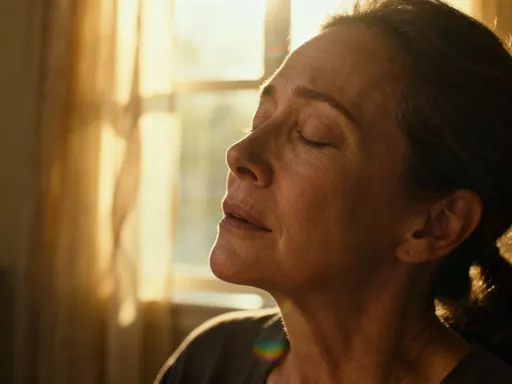
To break this cycle, I adopted several evidence-based stress management techniques. Mindful breathing became a daily practice. I set aside five minutes each morning and evening to focus on slow, deep breaths—inhaling through the nose for a count of four, holding for four, and exhaling for six. This simple routine activated my parasympathetic nervous system, helping my body shift from “fight or flight” to “rest and digest.” I also implemented a digital detox, turning off notifications after 8 p.m. and keeping my phone out of the bedroom. This small change improved my sleep quality and gave me space to unwind without constant stimulation.
Another powerful tool was scheduling routine pauses throughout the day. Instead of eating lunch at my desk, I stepped outside or sat in a quiet room for 15 minutes. I used this time to breathe, stretch, or simply sit in silence. These brief mental resets helped me stay centered and reduced the buildup of daily stress. I also began practicing gratitude journaling, writing down three positive things each night. This shift in focus—from what was going wrong to what was going well—had a measurable impact on my mood and resilience. Over time, I became more aware of my stress triggers and better equipped to manage them, which translated into more stable blood pressure readings.
Staying on Track: Monitoring, Adjusting, and Staying Motivated
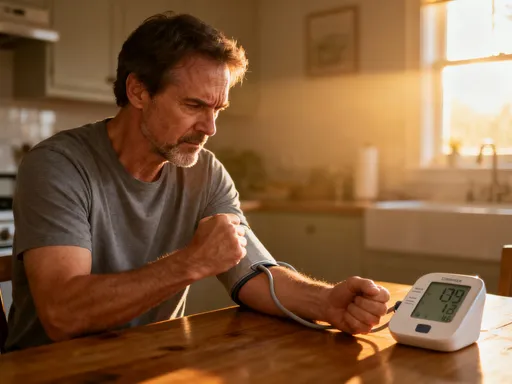
Consistency doesn’t happen by accident—it requires awareness and adjustment. One of the most valuable tools in my rehabilitation plan was regular self-monitoring. I purchased a validated home blood pressure monitor and took readings at the same time each morning, after sitting quietly for five minutes. I recorded the numbers in a journal, along with notes about my sleep, meals, activity, and stress levels. This data helped me identify patterns—like how a poor night’s sleep or a high-sodium meal affected my readings the next day.
Tracking progress also kept me motivated. Seeing my average systolic pressure drop from 150 to 132 over three months was incredibly rewarding. I celebrated small wins—like completing a full week of walks or cooking five healthy meals at home—by treating myself to non-food rewards, such as a new book or a relaxing bath. When I hit a plateau or had a few high readings in a row, I didn’t panic. Instead, I reviewed my journal, looked for possible causes, and made small adjustments. Sometimes that meant drinking more water, reducing caffeine, or adding an extra stretching session.
Knowing when to consult my doctor was equally important. I scheduled follow-up appointments every six to eight weeks to review my progress and discuss any concerns. My doctor appreciated the detailed records and used them to guide decisions about medication or lifestyle recommendations. This partnership gave me confidence that I wasn’t navigating this journey alone. I learned that self-management doesn’t mean going it alone—it means being an active participant in my care, supported by professional expertise. This balance of independence and guidance was essential to my long-term success.
Conclusion: A Healthier Rhythm for Life
Looking back, my hypertension diagnosis was not the end of my health, but the beginning of a deeper understanding of it. What started as a moment of fear evolved into a journey of empowerment, education, and transformation. I learned that blood pressure is not just a number—it’s a reflection of daily choices, habits, and self-care. By embracing a structured rehabilitation plan, I didn’t just lower my readings; I rebuilt my relationship with my body and my lifestyle.
The journey wasn’t perfect. There were days I skipped walks, ate too much bread, or stayed up too late. But progress doesn’t require perfection—it requires persistence. What mattered most was showing up, day after day, with the intention to do better. I discovered that small, consistent actions create lasting change. I also learned the value of professional guidance. Medical supervision provided the foundation, but my daily choices built the results.
If you’re facing a similar diagnosis, know that you’re not alone, and you’re not powerless. Start where you are. Take one step—whether it’s buying a blood pressure monitor, going for a short walk, or cooking one healthy meal. Let that step lead to another. With patience, support, and personal responsibility, it’s possible to regain control and live with greater vitality. This isn’t about achieving perfection; it’s about creating a healthier rhythm for life—one mindful choice at a time.