This Is How I Finally Found Balance After Baby — Years Later
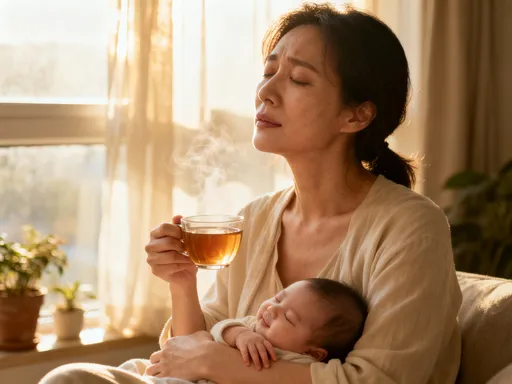
Postpartum recovery isn’t just about the first six weeks—it’s a long game. I used to think once I bounced back from delivery, I was “done.” But years later, I still faced fatigue, body changes, and emotional ups and downs. What I learned? True health maintenance starts long after the hospital discharge. This is my real journey through lasting postpartum recovery, the shifts that helped, and why patience and consistency matter more than quick fixes. For so many women, the idea of “getting back to normal” is tied to a timeline that simply doesn’t reflect reality. The truth is, the postpartum period isn’t a temporary phase—it’s the beginning of a lifelong recalibration of body, mind, and identity. This story isn’t about perfection or dramatic transformations. It’s about showing up, listening deeply, and choosing sustainable care over speed, every single day.
Redefining Postpartum Recovery: It’s Not a Sprint, It’s a Lifelong Tune-Up
For decades, the medical community and popular culture have framed postpartum recovery as a finite window—typically the first six weeks after childbirth. During this time, new mothers are monitored for complications like infection, hemorrhage, or postpartum depression, and once cleared, many assume the recovery process is complete. However, this narrow definition fails to reflect the complex, ongoing changes that continue for months or even years. Hormonal shifts, particularly in estrogen and progesterone, can persist long after delivery, especially for those who breastfeed, which delays the return of regular menstrual cycles and affects mood, metabolism, and energy levels. The body’s connective tissues, especially the abdominal wall and pelvic floor, require extended healing time that far exceeds the standard postpartum checkup.
True recovery is not about returning to a pre-baby body, but about adapting to a new physiological normal. The concept of “core integrity”—the interplay between deep abdominal muscles, the diaphragm, and the pelvic floor—often remains compromised long after birth, contributing to issues like diastasis recti (abdominal separation), incontinence, or lower back pain. These conditions may not appear immediately but manifest during daily activities months or years later. Recognizing this extended timeline is critical. When women believe they should be “over it” after a few weeks, they may ignore subtle signals their bodies are still healing, leading to long-term dysfunction. Reframing postpartum recovery as an ongoing, individualized process allows for greater self-awareness and proactive care.
This shift in perspective encourages a more compassionate and realistic approach to health. Instead of treating postpartum as a finish line, it becomes part of a continuous wellness journey. Just as we maintain dental hygiene or cardiovascular health throughout life, postpartum care should not be a one-time effort but a sustained practice of attention and adjustment. Women who embrace this mindset are more likely to seek support when needed, make informed choices about physical activity, and prioritize rest without guilt. It also helps counter the societal pressure to “bounce back” quickly, which often leads to overexertion and injury. By acknowledging that healing unfolds over years, not weeks, women can build a foundation of strength and resilience that supports them through motherhood and beyond.
The Hidden Struggles: What No One Tells You About Long-Term Postpartum Health
Many women carry silent burdens long after their babies are born. Fatigue that lingers for years, unexplained weight gain, pelvic discomfort during exercise, or mood swings that feel out of sync with their lives—these are not signs of failure, but indicators of unresolved postpartum changes. Yet, these issues are rarely discussed in mainstream conversations about motherhood. Society often sends the message that by the time a child reaches preschool age, a mother should be fully recovered, career-ready, and emotionally stable. This expectation can create a sense of isolation for those who continue to struggle. A woman experiencing low energy or urinary leakage when laughing or running may feel she is broken, when in fact, her body is simply asking for more time and support.
Pelvic floor dysfunction is one of the most common yet underreported long-term concerns. Studies show that up to 30% of women experience some form of pelvic floor issue after childbirth, including stress incontinence, pelvic organ prolapse, or pain during intimacy. These conditions can develop or worsen years later, especially after additional physical stressors like heavy lifting or high-impact exercise. Similarly, diastasis recti affects up to 60% of postpartum women, and while it may improve over time, it often requires targeted rehabilitation rather than just time. Without proper guidance, many women attempt conventional core workouts like crunches or planks, which can exacerbate the condition and increase intra-abdominal pressure, leading to further complications.
Emotional well-being is equally affected. While postpartum depression typically peaks in the first year, mood fluctuations can persist due to hormonal imbalances, chronic sleep disruption, and the psychological adjustment to motherhood. The loss of personal identity, the shift in daily routines, and the constant demand for emotional labor take a cumulative toll. Women may feel guilty for not feeling joyful or energized, especially when their children are older and “supposed to be easier.” Real-life scenarios reveal the depth of this struggle—a mother of two school-aged children who can’t run without discomfort, a professional returning to work who feels mentally foggy and overwhelmed, or a woman avoiding social events because she fears leakage during physical activity. These experiences are not rare, but they are often hidden due to shame or lack of awareness.
Body Wisdom: Listening Beyond the Hype of Quick Fixes
In the early years of motherhood, it’s easy to fall into the trap of seeking fast results. Social media bombards women with images of rapid weight loss, six-pack abs, and “post-baby glow-ups” that suggest recovery is a matter of discipline. Many turn to intense workout programs or restrictive diets in an attempt to reclaim their pre-pregnancy bodies, only to find themselves more exhausted, injured, or discouraged. The truth is, the body does not respond well to aggressive interventions during the delicate postpartum period. Chasing quick fixes often leads to burnout, muscle imbalances, and a fractured relationship with self-care. What works in the long run is not speed, but attunement—learning to listen to the body’s signals and respond with kindness.
Intuitive movement is a powerful alternative to prescriptive fitness trends. It means choosing activities based on how the body feels in the moment, rather than adhering to a rigid schedule or external expectations. On days of high fatigue, a gentle walk or restorative stretch may be more beneficial than an intense spin class. Nourishment follows the same principle: eating to support healing, energy, and hormonal balance, rather than restricting calories or chasing a number on the scale. This approach fosters a sustainable relationship with health, where the goal is not appearance, but function and vitality.
Honoring rest without guilt is one of the most transformative shifts a postpartum woman can make. In a culture that glorifies busyness, taking time to rest can feel like laziness. Yet, sleep and recovery are essential for hormonal regulation, tissue repair, and emotional resilience. When women allow themselves to rest—whether through intentional naps, earlier bedtimes, or simply pausing during the day—they create space for true healing. This doesn’t mean inactivity, but rather a balanced rhythm of effort and restoration. Over time, this builds a deeper trust in the body’s wisdom, replacing the need for external validation with internal confidence. The journey is not about pushing through, but about pacing, listening, and responding with care.
Movement That Lasts: Building a Sustainable Fitness Mindset
Returning to physical activity after childbirth should be a gradual, individualized process. The body has undergone profound changes, and rushing into high-impact or high-intensity workouts can do more harm than good. A sustainable fitness mindset prioritizes function over form, safety over speed, and long-term well-being over short-term results. The foundation of postpartum movement should include pelvic floor awareness, core reconnection, and joint stability. Simple practices like diaphragmatic breathing, pelvic tilts, and gentle walking lay the groundwork for more advanced activities. These movements help restore neuromuscular control—the communication between the brain and key stabilizing muscles—that may have been disrupted during pregnancy and delivery.
Strength training, when introduced correctly, is one of the most effective tools for postpartum recovery. It supports metabolism, improves bone density, enhances posture, and builds functional strength needed for carrying children, lifting groceries, and maintaining balance. However, the type of strength training matters. Exercises that minimize intra-abdominal pressure—such as squats with proper form, seated resistance work, or modified planks on the knees—are safer than traditional crunches or heavy overhead lifts. Working with a physical therapist or a postpartum-informed trainer can provide personalized guidance and prevent injury. The goal is not to lift the heaviest weight, but to move with control, alignment, and awareness.
Walking is one of the most accessible and beneficial forms of postpartum exercise. It requires no special equipment, can be done with a stroller, and supports cardiovascular health, mental clarity, and emotional regulation. Gradually increasing duration and pace allows the body to rebuild endurance without overloading recovering tissues. Mindful exercise routines, such as yoga or tai chi, also offer significant benefits. They promote flexibility, balance, breath awareness, and stress reduction—all critical components of long-term recovery. The key is consistency, not intensity. A 20-minute walk five times a week does more for overall health than an hour-long boot camp once a month. Sustainable fitness is not about extremes; it’s about showing up, day after day, with patience and self-respect.
Fueling Recovery: Nutrition as Daily Support, Not Perfection
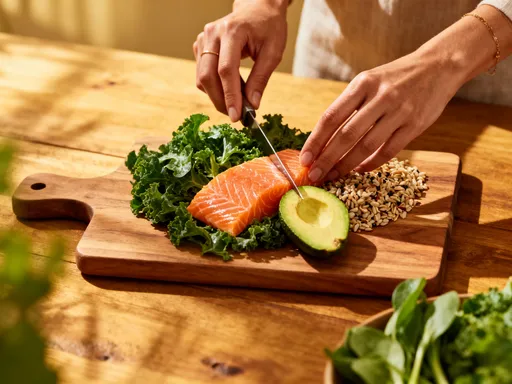
Nutrition plays a central role in postpartum healing, yet many women receive conflicting or unrealistic advice. The outdated notion of “eating for two” lingers, leading some to overconsume, while others turn to extreme dieting in pursuit of rapid weight loss. Both extremes can hinder recovery. The truth is, the postpartum body needs consistent, balanced nourishment to repair tissues, regulate hormones, and sustain energy—especially for those who are breastfeeding. Caloric needs remain elevated for months after birth, and nutrient density is more important than calorie counting. A diet rich in whole grains, lean proteins, healthy fats, and a variety of colorful vegetables supports both physical and mental well-being.
Hormonal balance is closely tied to blood sugar regulation. Skipping meals or relying on processed snacks can lead to energy crashes, mood swings, and cravings. Eating regular, balanced meals every 3–4 hours helps maintain steady glucose levels, which in turn supports emotional stability and concentration. Including protein, fiber, and healthy fats in each meal slows digestion and provides sustained energy. Simple strategies like preparing overnight oats, hard-boiled eggs, or vegetable-packed soups in advance can make healthy eating more manageable during chaotic days. Hydration is equally critical—dehydration can mimic fatigue, irritability, and even low milk supply in nursing mothers. Drinking water consistently throughout the day, rather than waiting until thirst hits, supports cellular function and overall vitality.
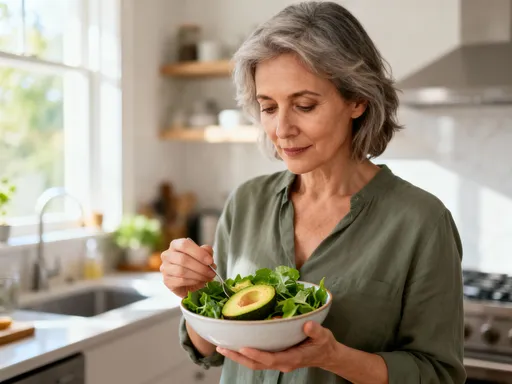
Mindful eating is another cornerstone of postpartum nutrition. It involves paying attention to hunger and fullness cues, eating without distraction, and choosing foods that feel nourishing rather than punitive. This approach fosters a positive relationship with food, free from guilt or restriction. Instead of labeling foods as “good” or “bad,” women can focus on how different foods make them feel. A piece of dark chocolate or a slice of cake can be part of a balanced diet when enjoyed with awareness. The goal is not perfection, but progress—making small, sustainable choices that add up over time. Eating becomes an act of self-care, not a battleground.
Emotional Resilience: Healing Isn’t Just Physical
The emotional dimension of postpartum recovery is just as important as the physical, yet it often receives less attention. Motherhood brings profound identity shifts—women may feel torn between their roles as caregivers and their sense of self. Sleep disruption, even years later, can contribute to brain fog, irritability, and emotional sensitivity. The isolation many women feel, especially if they lack a supportive community, can erode confidence and increase the risk of anxiety or low mood. Healing in this realm requires more than time; it requires intentional practices that build emotional strength and self-compassion.
Community is one of the most powerful protective factors for mental well-being. Connecting with other mothers—whether through local groups, online forums, or informal meetups—validates experiences and reduces feelings of loneliness. Sharing struggles and successes normalizes the challenges of motherhood and fosters a sense of belonging. Therapy, when accessible, offers a safe space to process grief, identity shifts, and unmet expectations. Cognitive behavioral techniques, mindfulness practices, and somatic therapies can all support emotional regulation and resilience. However, support doesn’t have to be clinical. Simple acts like journaling, talking openly with a trusted friend, or setting aside time for reflection can make a meaningful difference.
Self-compassion is perhaps the most transformative practice. It means treating oneself with the same kindness one would offer a friend. Instead of criticizing fatigue as laziness or emotional swings as weakness, women can learn to interpret these as signs of hard work and adaptation. Phrases like “I’m doing my best” or “This is hard, and I’m still showing up” can reframe the inner dialogue. Emotional resilience is not about being unshakable, but about learning to bend without breaking. It’s built through small, daily acknowledgments of effort, progress, and humanity. When women prioritize emotional care, they create a foundation of strength that supports every other aspect of their health.
Making It Stick: Small Habits That Create Big Change Over Time
In the midst of laundry, school runs, and packed schedules, lasting health can feel out of reach. But sustainability doesn’t come from grand gestures—it comes from small, consistent habits woven into daily life. The most effective changes are not dramatic overhauls, but tiny shifts that compound over time. A five-minute morning stretch, an extra glass of water, a bedtime routine that supports better sleep—these micro-actions build momentum. The key is to start small and focus on repetition, not perfection. When a habit becomes automatic, it no longer requires willpower, but simply becomes part of the rhythm of life.
Sleep routines are one of the most impactful areas for improvement. Chronic sleep deprivation disrupts hormones, weakens immunity, and impairs cognitive function. While newborns naturally disrupt sleep, older children often allow for more predictable patterns. Establishing a wind-down routine—dimming lights, reducing screen time, practicing deep breathing—can improve sleep quality for the whole family. Stress management is equally important. Techniques like box breathing, gratitude journaling, or short mindfulness meditations can lower cortisol levels and enhance emotional regulation. These practices don’t require hours; even one minute of focused breathing can shift the nervous system from fight-or-flight to rest-and-digest.
Regular check-ins with oneself are essential. Setting aside a few minutes each week to reflect—What’s working? What feels off? What small change could help?—creates space for intentional living. This practice fosters self-awareness and prevents small issues from becoming larger problems. Health maintenance is not about control, but about care. It’s not about rigid rules, but about responsive, compassionate choices. When women integrate these habits gradually, they build a lifestyle that supports lifelong well-being, not just postpartum recovery.
Conclusion: Embracing the Journey, Not Just the Recovery
True postpartum wellness is not a destination, but a continuous journey of listening, adapting, and caring. The cultural obsession with speed and appearance has overshadowed the deeper, more meaningful work of sustainable health. What matters most is not how quickly a woman “bounces back,” but how consistently she shows up for herself over time. Healing is measured in the small choices—choosing rest when needed, moving with awareness, eating to nourish, and honoring emotions without judgment. These acts of care build resilience that lasts far beyond the postpartum years.
Every woman’s path is unique, shaped by her body, her life, and her experiences. There is no universal timeline, no perfect outcome. What unites all who walk this path is the courage to keep going, even when progress feels invisible. By redefining success—not as a return to who they were, but as a commitment to who they are becoming—women can embrace a more compassionate, realistic vision of health. Lasting wellness is not about control, but about connection: to the body, to the self, and to the quiet strength that grows through patience and time. This is not just recovery. This is a lifelong promise to care.