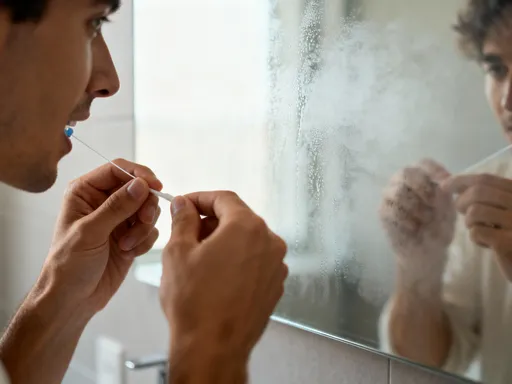
Why I Finally Got Serious About Oral Health — And What Changed
You probably brush your teeth every day, but are you really protecting your oral health? I used to think twice-daily brushing was enough—until I noticed bleeding gums and morning breath I couldn’t ignore. Turns out, oral health is more than a bright smile; it’s linked to overall wellness. What I learned changed how I manage my daily routine. This is my real talk on simple, science-backed steps that actually work. It wasn’t a dramatic diagnosis or a painful procedure that opened my eyes—it was a quiet accumulation of small signs I’d been dismissing for years. And once I started paying attention, the shift in my daily habits brought changes I never expected, not just in my mouth, but in how I view self-care as a whole.
The Wake-Up Call: When Oral Health Became Personal
For years, I followed what I believed was a solid routine: brush in the morning, brush at night, maybe floss if I remembered. I didn’t have tooth pain, so I assumed everything was fine. But looking back, the signs were there. My gums bled slightly when I brushed, especially along the lower front teeth. I often woke up with a dry mouth and a faint metallic taste. My breath didn’t feel consistently fresh, no matter how much mint gum I chewed during the day. I chalked it up to coffee, stress, or just ‘normal aging.’ I wasn’t alone—many adults dismiss these symptoms as minor inconveniences rather than early warnings.
The turning point came during a routine dental cleaning. My hygienist gently pointed out that my gums were inflamed and that I had areas of early gingivitis—gum disease in its mildest form. She measured pockets between my gums and teeth, some exceeding the healthy range of 1 to 3 millimeters. I was stunned. I didn’t feel sick. I wasn’t in pain. Yet my body was sending signals I’d ignored. That moment was a wake-up call: oral health isn’t just about avoiding cavities or whitening teeth. It’s about maintaining a balanced, functioning system that supports overall well-being.
What surprised me most was how easily I’d overlooked these signs despite brushing daily. It made me realize that many people treat oral care as a cosmetic habit rather than a health practice. We brush to look good, not necessarily to stay healthy. But the mouth is the gateway to the body, and what happens there doesn’t stay there. Ignoring early symptoms like bleeding or persistent bad breath can allow problems to progress silently. The good news? These early stages are reversible with the right care. Recognizing the signs is the first step toward real prevention.
Beyond Brushing: Why Daily Habits Fall Short
Like many, I believed that brushing twice a day was enough to keep my mouth healthy. After all, I used a soft-bristled toothbrush, brushed for two minutes, and even replaced it every three months. But brushing alone covers only about 60% of tooth surfaces. The spaces between teeth and along the gum line—where plaque accumulates most—are often missed. That’s where problems begin. Plaque is a sticky film of bacteria that forms constantly on teeth. If not removed regularly, it hardens into tartar, which can’t be removed by brushing alone and requires professional cleaning.
The gum line is especially vulnerable. This delicate area is where the tooth meets the gum tissue, and it’s a common site for plaque buildup. Aggressive brushing can damage it, while gentle but incomplete cleaning leaves bacteria behind. Over time, this leads to inflammation—gingivitis—which, if untreated, can progress to periodontitis, a more serious form of gum disease that affects the supporting structures of the teeth. Research shows that nearly half of adults over 30 in the United States have some form of periodontal disease, often without knowing it.
Another factor that undermines brushing is the oral microbiome—the community of bacteria living in the mouth. Not all bacteria are harmful, but when the balance shifts toward harmful strains due to poor hygiene or diet, it increases the risk of decay and inflammation. Sugar feeds harmful bacteria, which produce acid that erodes enamel. Even acidic foods and drinks, like citrus or soda, can weaken enamel over time, making teeth more sensitive and prone to damage. Hydration also plays a role: saliva helps neutralize acids, wash away food particles, and maintain a healthy pH in the mouth. When we’re dehydrated or don’t drink enough water, this natural defense weakens.
These insights helped me understand that brushing is just one piece of the puzzle. Without addressing the full picture—interdental cleaning, diet, hydration, and bacterial balance—my routine was falling short. It wasn’t laziness; it was a lack of awareness. Once I saw oral health as a system rather than a single task, I was ready to make more informed choices.
The Science of a Healthy Mouth: What Really Matters
What I discovered next changed my perspective completely: the mouth is not an isolated part of the body. It’s deeply connected to overall health through biological pathways that scientists are still uncovering. The oral microbiome influences systemic inflammation, which is linked to a range of chronic conditions. While the research is ongoing, studies suggest associations between poor oral health and increased risks for heart disease, diabetes complications, and even cognitive decline. These links don’t mean gum disease directly causes these conditions, but they share common pathways—especially chronic inflammation and bacterial spread through the bloodstream.
Gums act as a protective barrier. When they’re healthy, they form a tight seal around the teeth, keeping harmful bacteria from entering deeper tissues. But when gums become inflamed due to plaque buildup, this barrier weakens. Tiny openings form, allowing bacteria to enter the bloodstream. This can trigger an immune response, contributing to low-grade, long-term inflammation throughout the body. In people with existing conditions like cardiovascular disease, this added stress may worsen outcomes. For example, some studies have found that individuals with periodontitis are more likely to have atherosclerosis, a condition where arteries narrow due to plaque buildup.
Another key insight is the role of saliva. Often overlooked, saliva is a powerful defense mechanism. It contains enzymes that break down food, antimicrobial agents that control bacterial growth, and minerals that help remineralize enamel. When saliva flow is reduced—due to medications, stress, or mouth breathing—this protection diminishes. Dry mouth, or xerostomia, is a common but underrecognized issue that increases the risk of tooth decay and gum disease. Many medications, including antihistamines, blood pressure drugs, and antidepressants, can reduce saliva production, making oral care even more critical for those taking them.
Understanding these connections helped me see oral health as preventive medicine. It’s not just about avoiding a root canal or keeping my smile bright. It’s about supporting my body’s overall resilience. By maintaining a healthy mouth, I’m reducing sources of chronic inflammation and supporting my immune system. This shift in mindset—from cosmetic care to whole-body health—made my daily routine feel more meaningful and urgent.
My 3 Game-Changing Upgrades (Simple but Effective)
Once I understood the bigger picture, I was ready to upgrade my routine. I didn’t overhaul everything at once—small, sustainable changes worked best. The first change was improving my brushing technique. I switched to a soft-bristled brush and started using gentle, circular motions at a 45-degree angle to the gum line. This allows the bristles to clean under the gum margin without causing trauma. I also set a timer for two minutes and divided my mouth into quadrants, spending 30 seconds on each. Within a few weeks, I noticed less bleeding and smoother gum tissue.
The second and most impactful change was adding daily interdental cleaning. I had always skipped flossing, finding it fiddly and time-consuming. But after learning that brushing misses nearly half of tooth surfaces, I committed to cleaning between my teeth every night. I started with traditional floss, but later switched to a water flosser, which I found easier to use and more effective at flushing out debris. Whether using string floss, interdental brushes, or a water flosser, the goal is the same: remove plaque from areas a toothbrush can’t reach. This single habit made the biggest difference in my gum health. My hygienist confirmed it at my next visit—less inflammation, tighter gums, and no new pocketing.
The third upgrade was incorporating a fluoride mouth rinse into my nightly routine. I chose an alcohol-free formula to avoid drying out my mouth. Used after brushing and flossing, it acts as a final barrier, delivering fluoride to strengthen enamel and reduce bacterial activity. Fluoride helps remineralize early lesions on teeth, reversing minor decay before it becomes a cavity. I use it once a day, swishing for 30 seconds before spitting—no rinsing with water afterward, so the fluoride stays on my teeth longer. These three changes—better brushing, interdental cleaning, and fluoride rinse—formed a simple but powerful trio that transformed my oral health.
The results weren’t overnight, but they were real. Within two months, my morning breath improved. My gums stopped bleeding. My teeth felt cleaner and smoother. At my next dental check-up, my hygienist complimented my progress, saying my gum health had improved significantly. What mattered most was consistency. I didn’t have to be perfect—just persistent. Missing a night wasn’t a failure; it was a reminder to recommit. These upgrades didn’t add more than five minutes to my routine, but their impact was lasting.
The Hidden Factors: Lifestyle’s Role in Oral Wellness
As I deepened my understanding, I realized that oral health isn’t just about what I do in the bathroom—it’s also influenced by my daily habits and environment. Stress, for example, plays a bigger role than I expected. When I’m under pressure, I tend to clench my jaw or grind my teeth at night, which can wear down enamel and strain the jaw joint. Stress also weakens the immune system, making it harder for my body to fight off oral infections. I started paying attention to tension in my jaw and practiced relaxation techniques like deep breathing to help manage it.
Sleep quality matters too. Poor sleep disrupts hormonal balance and increases inflammation, which can affect gum health. I also became aware of mouth breathing, especially at night. Breathing through the mouth dries out oral tissues, reducing saliva’s protective effects and creating an environment where harmful bacteria thrive. I addressed this by staying hydrated, using a humidifier in my bedroom, and practicing nasal breathing during the day. For some, chronic mouth breathing may be linked to allergies or structural issues, so consulting a healthcare provider can be helpful.
Diet remained a key factor. While I knew sugar was a problem, I hadn’t considered how often I consumed acidic foods and drinks. Sipping lemon water, eating citrus fruits, or drinking soda—even diet versions—can erode enamel over time. I adjusted by limiting acidic intake, avoiding swishing or holding these drinks in my mouth, and waiting at least 30 minutes after eating before brushing. This allows saliva to neutralize acids and prevents brushing softened enamel.
I also made small swaps that added up: drinking more water throughout the day, choosing cheese or nuts as snacks instead of crackers or sweets, and chewing sugar-free gum with xylitol after meals when I couldn’t brush. Xylitol is a natural sweetener that doesn’t feed harmful bacteria and may even reduce their ability to stick to teeth. These lifestyle adjustments didn’t require drastic changes, but they supported my oral care routine in meaningful ways.
Smart Prevention: What a Real Routine Looks Like
Putting it all together, my current routine is simple, sustainable, and science-backed. In the morning, I start with a glass of water to hydrate and rinse my mouth. After breakfast, I wait 30 minutes before brushing to protect my enamel. I use a soft-bristled toothbrush with gentle, circular motions, focusing on the gum line and all tooth surfaces. I spend two minutes, then floss or use my water flosser to clean between teeth. I finish with a fluoride mouth rinse, swishing for 30 seconds and spitting without rinsing.
At night, I follow the same sequence, but I’m more thorough. I brush, floss, and rinse again, ensuring no food particles remain. I avoid eating or drinking anything except water after my nighttime routine. I also keep my toothbrush upright to air-dry and replace it every three to four months, or sooner if the bristles fray. I store my floss and rinse in the same spot so they’re easy to reach—making the routine frictionless increases the chances of sticking with it.
The tools I use are basic but effective: a soft manual or electric toothbrush, gentle floss or interdental aids, and an alcohol-free fluoride rinse. I don’t need expensive products—just consistent use of the right methods. The American Dental Association recommends brushing twice a day, cleaning between teeth once daily, and using fluoride products to prevent decay. These guidelines are based on decades of research and are accessible to everyone.
Timing matters too. Brushing too soon after eating, especially acidic foods, can damage enamel. Waiting allows saliva to do its job. Similarly, brushing too hard can wear down enamel and irritate gums. Gentle pressure is more effective and safer. I also schedule my dental visits every six months for cleanings and check-ups, which help catch issues early. These appointments are not just about removing tartar—they’re a chance to get personalized advice and stay on track.
When to See a Pro: Managing Oral Health Long-Term
No matter how diligent I am, I know that self-care can’t replace professional care. Dentists and hygienists have tools and expertise to detect problems long before I’d notice them. Regular check-ups allow for early intervention, which can prevent minor issues from becoming major treatments. For example, a small cavity caught early may only need a simple filling, while a delayed visit could lead to a root canal or extraction.
Cleanings remove tartar buildup that brushing and flossing can’t eliminate. They also polish teeth and provide a fresh baseline for home care. I’ve learned to view these appointments as part of my overall health maintenance, just like annual physicals or eye exams. I prepare for them by writing down any concerns—dry mouth, sensitivity, changes in my gums—so I can discuss them with my dentist.
I also ask questions. Every mouth is different, and personalized advice makes a difference. My dentist helped me choose the right floss for my tight spaces and recommended a fluoride toothpaste for sensitivity. These small adjustments made my routine more effective. I’ve also learned that certain medical conditions, like diabetes or autoimmune disorders, require extra attention to oral health, so coordination between my doctor and dentist is important.
Finally, I remind myself that oral health is a lifelong journey. It’s not about achieving perfection but about making informed, consistent choices. Some days I forget to floss. Some mornings I’m late and rush brushing. But I don’t let slip-ups derail me. Progress, not perfection, is the goal. By staying engaged and proactive, I’m building habits that protect my smile and my health for years to come.
Oral health isn’t about perfection—it’s about consistent, informed choices. Small daily actions build strong defenses, and paying attention pays off. By treating your mouth as part of your whole-body health, you’re not just saving your smile—you’re investing in long-term wellness. Start today, stay consistent, and let your routine reflect the care you deserve.