Why I Started Early: My Long-Term Anti-Aging Journey
What if the best anti-aging trick isn’t a cream or a supplement—but time? I used to think aging was something to worry about later. Then I learned that real longevity starts long before wrinkles appear. By focusing on early disease prevention and small, daily choices, I’ve seen real shifts in my energy, focus, and overall health. This isn’t about looking younger—it’s about staying healthy longer. Let me share how changing my mindset years ago made all the difference.
The Wake-Up Call: Recognizing Aging Before It Shows
In my early 30s, life felt full but unremarkable—work was demanding, family time precious, and sleep often the first thing sacrificed. I dismissed fatigue as normal, chalked up slower recovery after weekend hikes to being 'out of shape,' and ignored the occasional joint stiffness after long hours at my desk. It wasn’t until a routine blood test revealed slightly elevated markers for inflammation that I began to question whether these small discomforts were early signs of something deeper. At the time, my doctor called it 'borderline' and suggested monitoring, not intervention. But that word—'borderline'—stuck with me. It suggested a line I was already close to crossing.
What I later learned is that aging is not a sudden event but a gradual biological process that begins in our 20s and 30s, long before visible signs emerge. Cellular repair slows, mitochondrial efficiency declines, and low-grade inflammation—often called 'inflammaging'—begins to build. These changes are silent, cumulative, and largely invisible without proper assessment. Yet, they lay the foundation for many chronic conditions, including cardiovascular disease, type 2 diabetes, and neurodegenerative decline. The realization shifted my perspective: I wasn’t aging prematurely—I was simply unaware of the process already underway.
This understanding marked the beginning of a shift from reactive to proactive health. Instead of waiting for symptoms to escalate, I began to see my body as a system that required regular maintenance, much like a car. Just as we change oil and rotate tires to prevent breakdowns, our bodies benefit from consistent care long before failure occurs. I started viewing health not as the absence of illness but as an active, ongoing practice. This mindset change was subtle but profound. It allowed me to stop seeing wellness as a series of emergencies and start treating it as a long-term investment in my future self.
Early Intervention: Why Timing Matters More Than Treatments
One of the most powerful insights I’ve gained is that timing is often more critical than the treatment itself. Medical research consistently shows that chronic diseases develop over decades, not months. For example, atherosclerosis—the buildup of plaque in arteries—can begin as early as adolescence. By the time symptoms like chest pain or high blood pressure appear, significant damage may already be present. The same is true for metabolic dysfunction; insulin resistance can precede type 2 diabetes by ten years or more. These conditions don’t emerge overnight. They are the result of long-term imbalances in diet, activity, sleep, and stress.
Early intervention means addressing these imbalances before they become entrenched. Studies published in journals like The Lancet and JAMA Internal Medicine emphasize that lifestyle changes made in midlife can significantly reduce the risk of chronic disease later on. For instance, adopting a heart-healthy diet and regular physical activity in your 40s can lower the risk of heart disease by up to 50%. The earlier these habits are established, the greater the protective effect. This isn’t about extreme measures—it’s about consistency in small, manageable choices that compound over time.
A helpful analogy is home maintenance. Imagine a small roof leak. If ignored, it can lead to water damage, mold, and structural issues requiring costly repairs. But if caught early, a simple patch prevents disaster. Similarly, catching biological imbalances early—such as mild insulin resistance or elevated blood pressure—allows for lifestyle adjustments that can reverse or halt progression. Waiting until symptoms appear is like waiting for the ceiling to collapse before calling a contractor. By then, the problem is harder, more expensive, and sometimes irreversible to fix. Early action isn’t just smarter—it’s more effective and less disruptive in the long run.
The Foundation: Nutrition as a Long-Term Strategy
Nutrition became the cornerstone of my anti-aging approach, not because I追求 perfection, but because food directly influences how my cells function every day. I moved away from processed foods, which are often high in refined sugars, unhealthy fats, and additives that promote inflammation. Instead, I embraced whole, nutrient-dense foods—vegetables, fruits, legumes, whole grains, nuts, seeds, and lean proteins. These foods provide antioxidants, fiber, and essential nutrients that support cellular repair, reduce oxidative stress, and maintain a healthy gut microbiome.
One key principle I adopted was blood sugar balance. Spikes and crashes in glucose levels contribute to fatigue, mood swings, and long-term metabolic dysfunction. By focusing on meals with a balance of protein, healthy fats, and complex carbohydrates, I noticed more stable energy throughout the day. I also prioritized gut health, recognizing the growing body of evidence linking a diverse gut microbiome to reduced inflammation, stronger immunity, and even better brain health. Fermented foods like yogurt and sauerkraut, along with plenty of fiber, became regular parts of my diet.
My approach to eating is practical, not rigid. I don’t follow extreme diets or eliminate entire food groups without medical reason. Instead, I plan meals ahead of time to avoid last-minute unhealthy choices, stay hydrated throughout the day, and practice mindful eating—paying attention to hunger and fullness cues. This sustainable method has helped me maintain consistency without feeling deprived. Over time, these choices have supported healthier weight management, clearer skin, and improved digestion. More importantly, they’ve given me a sense of control over my health, knowing that each meal is an opportunity to nourish my body for the long term.
Movement That Lasts: Exercise Beyond the Gym
Physical activity is another pillar of my anti-aging strategy, but not in the way I once thought. I used to believe that only intense workouts—long runs, heavy lifting, or high-intensity classes—counted as 'real' exercise. Now, I understand that consistency and variety matter far more than intensity. My routine includes daily walking, strength training two to three times a week, and regular stretching or yoga. These activities support joint mobility, muscle mass retention, cardiovascular health, and cognitive function.
Walking, in particular, has become a non-negotiable part of my day. Research shows that regular walking improves circulation, supports metabolic health, and even enhances brain connectivity. I aim for at least 30 minutes most days, often breaking it into shorter walks if needed. Strength training is equally important. After age 30, we naturally lose 3–5% of muscle mass per decade, a process called sarcopenia. Resistance exercises help slow this decline, maintain bone density, and support metabolic rate. I use bodyweight exercises, resistance bands, and light weights—nothing extreme, but enough to challenge my muscles regularly.
Flexibility and balance are often overlooked but crucial for long-term mobility. I incorporate gentle stretching and yoga into my weekly routine, which has improved my posture and reduced stiffness. These practices also serve as a form of moving meditation, helping to calm the mind. The key has been making movement enjoyable and sustainable. I listen to audiobooks while walking, vary my workouts to avoid boredom, and adjust based on how I feel each day. This flexible, consistent approach has made exercise a natural part of my life, not a chore to endure. Over the years, I’ve noticed greater stamina, fewer aches, and a stronger sense of physical resilience.
Sleep and Stress: The Hidden Drivers of Aging
If nutrition and movement are the pillars of health, sleep and stress management are the foundation they rest on. I once underestimated their impact, believing I could 'power through' on little sleep and constant pressure. But chronic sleep deprivation and unmanaged stress accelerate biological aging in measurable ways. Poor sleep disrupts hormone regulation, impairs cellular repair, and increases inflammation. Elevated cortisol—the primary stress hormone—can lead to weight gain, insulin resistance, and weakened immunity. Over time, these effects contribute to a higher risk of heart disease, cognitive decline, and mood disorders.
Recognizing this, I made sleep hygiene a priority. I established a consistent bedtime and wake-up time, even on weekends. I created a wind-down routine: dimming lights, avoiding screens an hour before bed, and practicing relaxation techniques like deep breathing or light stretching. My bedroom is kept cool, dark, and quiet, optimized for rest. These changes helped me fall asleep faster and stay asleep longer. Most nights, I now get seven to eight hours of quality sleep—a shift that transformed my daytime energy and mental clarity.
Managing stress required a different kind of discipline. I began by identifying my main stressors—work deadlines, family responsibilities, information overload—and developed strategies to reduce their impact. I set boundaries around work hours, practiced mindfulness during the day, and made time for activities that bring me joy, like reading, gardening, or spending time in nature. I also learned to delegate and say no when necessary. These changes didn’t eliminate stress—life will always have challenges—but they helped me respond more calmly and recover faster. Over time, I noticed fewer tension headaches, better digestion, and a more balanced mood. Protecting my sleep and managing stress didn’t just improve how I felt; they slowed the biological clock in ways I hadn’t anticipated.
Monitoring Health: The Power of Regular Check-Ins
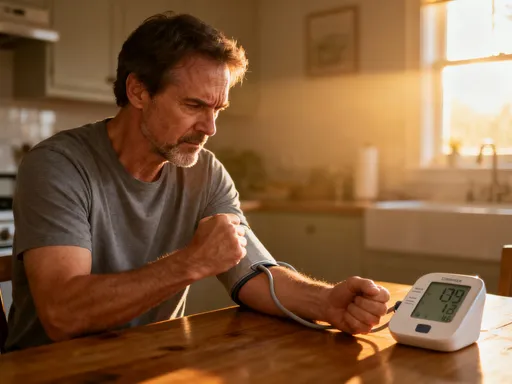
One of the most empowering steps I took was committing to regular health monitoring. I began scheduling annual physicals and blood work, not because I felt unwell, but to track trends over time. These check-ins include standard tests—cholesterol, blood sugar, liver and kidney function—as well as markers like C-reactive protein (a measure of inflammation), vitamin D, and thyroid function. Having this data allows me and my doctor to detect subtle changes before they become problems.
For example, a few years ago, my fasting glucose was slightly elevated. It wasn’t in the diabetic range, but it was higher than previous years. This early warning prompted me to adjust my diet—reducing added sugars and increasing fiber—and increase my daily activity. Within six months, my levels returned to optimal. Without that routine test, I might have missed the shift entirely. Similarly, discovering a mild vitamin D deficiency led me to spend more time outdoors and consider supplementation under medical guidance. These adjustments were simple but impactful.
I don’t chase perfect numbers or obsess over every result. Instead, I look for patterns—what’s improving, what’s declining, and what might need attention. I work with my healthcare provider to interpret the data in context, considering my lifestyle, family history, and overall well-being. This collaborative approach turns health monitoring from a source of anxiety into a tool for empowerment. It reinforces that I’m not passive in my health journey; I can influence outcomes through informed choices. Regular check-ins have become a form of preventive maintenance, giving me peace of mind and a clearer path forward.
Mindset and Longevity: Building a Life That Supports Health
Perhaps the most profound shift has been in my mindset. I no longer see health as a list of things to fix or a goal to achieve by a certain age. Instead, I view it as an ongoing practice, woven into the fabric of daily life. This perspective has been shaped by research on longevity, particularly studies of populations in 'Blue Zones'—regions with the highest concentrations of centenarians. Common traits among these communities include strong social connections, a sense of purpose, regular natural movement, and a plant-forward diet. These aren’t extreme regimens; they’re sustainable ways of living.
I’ve worked to build a life that supports long-term well-being. I prioritize relationships—with family, friends, and my community—knowing that social engagement is linked to lower rates of depression and longer life expectancy. I’ve cultivated hobbies that challenge my mind, like learning a new language and playing music, which support cognitive reserve. I practice gratitude and reflection, which help maintain emotional resilience. These elements don’t just improve quality of life—they contribute to biological health by reducing stress and promoting a sense of belonging.
I’ve also let go of perfectionism. There are days when I skip a workout, eat something indulgent, or stay up too late. But I’ve learned that long-term health isn’t about flawless habits—it’s about consistency over time. Small, positive choices, repeated day after day, create compounding benefits. The goal isn’t to look younger in photos, but to feel strong, clear, and capable for as long as possible. This journey has taught me that aging is not something to fear or resist, but a process to understand and support with intention.
In reflecting on my path, I see a clear arc—from ignorance to awareness, from reaction to prevention, from isolation to connection. What began as a concern about energy and aging has evolved into a holistic approach to lifelong health. I’ve learned that the most powerful anti-aging tool isn’t a miracle product or a last-minute fix, but the daily choices we make, year after year. Starting early doesn’t guarantee a perfect outcome, but it dramatically increases the odds of a healthier, more vibrant future. And the best part? It’s never too early or too late to begin. Health is not a destination—it’s a lifelong investment, and every positive step counts.