How I Turned Back Time Without Magic — Just Real Results
Aging isn’t something we can stop, but what if you could slow it down in a way that actually works? I’m not talking about quick fixes or hype — this is about simple, science-backed habits that reduce the risk of age-related diseases and help you feel stronger, sharper, and more alive. After years of feeling tired and run down, I made changes that transformed my health. This is what finally worked — no miracles, just consistency and truth. The journey wasn’t about looking younger in photos; it was about reclaiming energy, mental clarity, and the ability to fully engage in life. And the best part? None of it required expensive treatments or drastic overhauls. It started with understanding how aging truly works — and realizing that control is possible.
The Wake-Up Call: When Aging Felt Too Real
For many women in their 40s and 50s, aging begins not with a mirror, but with a moment of realization: the stairs feel harder, recovery from illness takes longer, and the energy that once carried them through busy days seems to have quietly disappeared. For one woman, it was a routine check-up that became a turning point. Her doctor noted elevated blood pressure, rising blood sugar, and a warning that she was on the path to prediabetes. There was no crisis — no emergency room visit or dramatic diagnosis — just a calm, firm message: “You’re not old, but your body is aging faster than it should.” This moment, shared by countless women, is more common than many realize. It’s not just about getting older; it’s about how lifestyle choices silently influence the biological clock.
Many believe aging is inevitable — a process dictated solely by genetics. They assume that if heart disease or diabetes runs in the family, there’s little they can do to change their fate. While genes do play a role, research consistently shows that lifestyle accounts for a significant portion of how we age. A study published in the journal Nature Aging found that up to 75% of the variation in human lifespan can be attributed to non-genetic factors, including diet, physical activity, sleep, and stress management. This means that even with a family history of age-related illness, individuals have far more influence over their health trajectory than previously thought. The key is recognizing that aging is not a passive process — it’s shaped daily by the choices we make.
This shift in mindset — from helplessness to agency — is often the first real step toward change. When women understand that they are not simply victims of time, but active participants in their health, motivation follows. The wake-up call doesn’t have to be a crisis. It can be a conversation with a doctor, a moment of reflection, or even reading about someone else’s journey. What matters is the decision to act. And the earlier that decision is made, the greater the impact. The habits adopted today don’t just affect how you feel next week — they influence your risk of chronic disease decades from now. This is not fear-mongering; it’s empowerment through awareness.
What Aging Really Means (And Why Disease Isn’t Inevitable)
Chronological age — the number of years since birth — is fixed. But biological age, which reflects how well your cells, organs, and systems are functioning, can vary significantly from person to person. Two women the same age may have vastly different biological ages based on lifestyle. One may have the energy and resilience of someone years younger, while the other struggles with fatigue, joint pain, and frequent illness. The difference lies in the underlying biology of aging: inflammation, oxidative stress, and cellular decline. These processes, once thought to be unavoidable, are now understood to be highly responsive to daily habits.
Inflammation, often called the “silent fire,” is a natural immune response. But when it becomes chronic — triggered by poor diet, lack of movement, or ongoing stress — it damages tissues and accelerates aging. Chronic inflammation is linked to nearly every major age-related disease, including heart disease, type 2 diabetes, and Alzheimer’s. Oxidative stress, another key factor, occurs when free radicals — unstable molecules produced by metabolism and environmental exposures — overwhelm the body’s ability to neutralize them. This leads to cellular damage, particularly in mitochondria, the energy powerhouses of cells. Over time, this damage accumulates, reducing cellular function and contributing to fatigue, muscle loss, and cognitive decline.
Cellular senescence, the process by which cells stop dividing and enter a state of dormancy, also plays a critical role. While this mechanism prevents damaged cells from turning cancerous, senescent cells secrete harmful substances that promote inflammation and disrupt nearby tissue function. As we age, the body becomes less efficient at clearing these cells, leading to a buildup that accelerates aging. However, emerging research shows that lifestyle interventions — such as regular physical activity, a nutrient-dense diet, and adequate sleep — can reduce the burden of senescent cells and support healthier cellular function. This means that while aging is natural, the rate at which it progresses is not set in stone.
The encouraging truth is that disease is not an automatic consequence of growing older. While the risk increases with age, the development of conditions like heart disease, diabetes, and dementia is largely preventable. The World Health Organization estimates that up to 80% of heart disease and type 2 diabetes cases could be avoided through lifestyle changes. This doesn’t mean everyone who eats well and stays active will never face health challenges, but it does mean that the odds can be dramatically improved. Prevention doesn’t start in the doctor’s office — it starts in the kitchen, the living room, and the daily routine. The choices made today lay the foundation for health tomorrow.
The Power of Metabolic Health: Why It’s the Core
Metabolic health refers to how efficiently the body converts food into energy and regulates key processes like blood sugar, insulin sensitivity, and fat metabolism. When functioning well, the metabolic system supports steady energy, mental clarity, and healthy weight management. But when it’s impaired — a condition known as metabolic dysfunction — the body struggles to maintain balance, leading to fatigue, weight gain, and increased disease risk. Alarmingly, only about 12% of American adults are considered metabolically healthy, according to research from the University of North Carolina. This means the vast majority are at higher risk for conditions like type 2 diabetes, heart disease, and fatty liver disease — all of which accelerate aging.
One of the most visible signs of poor metabolic health is insulin resistance, a condition in which cells become less responsive to insulin, the hormone that helps glucose enter cells for energy. As a result, blood sugar remains elevated, prompting the pancreas to produce more insulin. Over time, this cycle leads to weight gain — particularly around the abdomen — fatigue after meals, and increased inflammation. Insulin resistance is not just a precursor to diabetes; it’s also linked to cognitive decline and hormonal imbalances, making it a central player in the aging process. The good news is that insulin sensitivity can be improved through lifestyle changes, even without significant weight loss.
Diet plays a pivotal role in metabolic health. Consuming high amounts of refined carbohydrates and added sugars causes rapid spikes in blood sugar, forcing the body to release large amounts of insulin. Over time, this repeated stress weakens the system. Replacing processed foods with whole, fiber-rich options — such as vegetables, legumes, whole grains, and fruits — helps stabilize blood sugar and reduce insulin demand. Including adequate protein and healthy fats, like those from nuts, seeds, avocados, and olive oil, further supports metabolic balance by promoting satiety and reducing cravings.
Physical activity is equally important. Muscle tissue is highly sensitive to insulin, meaning that the more muscle mass a person has, the better their body can regulate blood sugar. This is why strength training is so powerful — it doesn’t just build muscle; it enhances metabolic function. Even moderate exercise, such as brisk walking, improves insulin sensitivity within hours. For women entering midlife, when hormonal changes can make weight management more challenging, prioritizing metabolic health is essential. It’s not about extreme diets or punishing workouts — it’s about consistent, sustainable choices that support the body’s natural ability to thrive.
Move to Live: The Exercise Rule That Actually Sticks
For many women, exercise has been framed as a tool for weight loss — something to endure rather than enjoy. But shifting the mindset from “working out to look better” to “moving to stay young” can transform the relationship with physical activity. The goal is no longer fitting into a smaller dress size, but maintaining strength, balance, and independence well into later years. This change in perspective makes movement more meaningful and sustainable. It’s not about burning calories; it’s about preserving function, protecting joints, and supporting brain health. The most effective exercise routines are not the most intense — they are the ones that can be maintained over time.
A balanced approach includes three key components: strength training, cardiovascular exercise, and non-exercise activity thermogenesis (NEAT). Strength training, in particular, is a cornerstone of healthy aging. After age 30, adults lose about 3–5% of their muscle mass per decade — a process that accelerates after 50. This loss, known as sarcopenia, contributes to weakness, fatigue, and increased fall risk. But resistance training — whether with weights, resistance bands, or bodyweight exercises — can slow, halt, or even reverse this decline. Studies show that older adults who engage in regular strength training gain muscle mass, improve balance, and enhance metabolic health. Even two sessions per week can make a significant difference.
Cardiovascular exercise, such as brisk walking, cycling, or swimming, supports heart and lung function while improving circulation and mood. It also enhances mitochondrial health, increasing the efficiency of energy production in cells. The American Heart Association recommends at least 150 minutes of moderate-intensity aerobic activity per week, but even smaller amounts provide benefits. The key is consistency — a daily 20-minute walk is more valuable than an occasional intense workout.
NEAT — the energy expended during daily activities like walking, gardening, or standing — is often overlooked but plays a crucial role in overall health. Sedentary behavior, such as prolonged sitting, is linked to increased inflammation, poor circulation, and metabolic dysfunction. Simple changes — taking the stairs, parking farther away, standing while talking on the phone — add up over time. For women with busy schedules, integrating movement into daily life is more realistic than carving out long gym sessions. The goal is not perfection, but progress — building a lifestyle where movement is natural, not forced.
Food as Prevention: Eating for Longevity, Not Just Taste
Nutrition is one of the most powerful tools for slowing aging and preventing disease. Yet, many women spend years focused on dieting — restricting calories, cutting out food groups, or chasing the latest trend — only to feel deprived and frustrated. A more effective approach is to shift from dieting to nourishment: choosing foods that support cellular health, reduce inflammation, and provide sustained energy. This isn’t about rigid rules or eliminating favorite foods, but about building a foundation of whole, nutrient-dense choices that make a lasting difference.
A longevity-supportive diet emphasizes whole foods — those that are minimally processed and close to their natural state. This includes a wide variety of vegetables and fruits, which provide antioxidants that combat oxidative stress. Plant diversity is especially important; different colored produce contains unique phytonutrients that support various aspects of health. For example, leafy greens are rich in vitamin K and nitrates that support blood vessel health, while berries contain anthocyanins that protect brain cells. Including a range of plants — at least 30 different types per week — has been linked to a more diverse gut microbiome, which plays a key role in immune function and inflammation control.
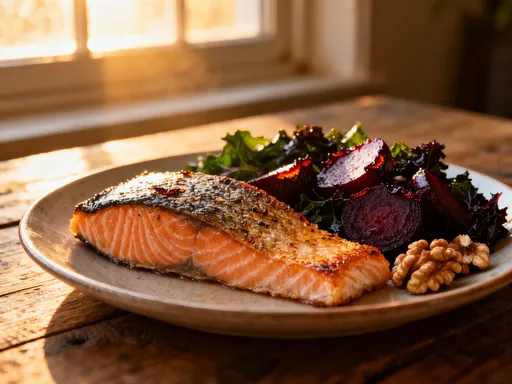
Protein is another essential component. As women age, their protein needs actually increase to support muscle maintenance, immune function, and tissue repair. Yet, many consume less protein than recommended, especially at breakfast. Including high-quality protein at every meal — such as eggs, Greek yogurt, fish, legumes, or poultry — helps preserve muscle mass and prevents the blood sugar swings that lead to fatigue and cravings. Healthy fats, particularly omega-3 fatty acids from fatty fish, flaxseeds, and walnuts, support brain health and reduce inflammation. They also promote satiety, making it easier to maintain a healthy weight without constant hunger.
At the same time, reducing intake of added sugars and ultra-processed foods is crucial. These foods contribute to insulin resistance, weight gain, and chronic inflammation — all of which accelerate aging. A single sugary drink per day has been linked to a significantly higher risk of type 2 diabetes and heart disease. Simple swaps — choosing water over soda, oatmeal over sugary cereal, or a handful of nuts over a packaged snack — can have a profound impact over time. The goal is not perfection, but progress — making choices that support long-term health without sacrificing enjoyment.
Sleep and Stress: The Hidden Drivers of Aging
Sleep and stress are often overlooked in conversations about aging, yet they are among the most powerful influences on health. Poor sleep disrupts hormone balance, weakens the immune system, and impairs the brain’s ability to clear toxins — a process that occurs primarily during deep sleep. Chronic sleep deprivation is linked to higher levels of cortisol, the stress hormone, which increases inflammation and contributes to weight gain, particularly around the abdomen. Over time, this creates a vicious cycle: stress interferes with sleep, and poor sleep increases stress, accelerating biological aging.
Adults need 7–9 hours of quality sleep per night, but many women, especially during perimenopause and menopause, struggle with sleep disturbances. Hot flashes, anxiety, and hormonal fluctuations can make it difficult to fall or stay asleep. However, good sleep hygiene can make a significant difference. Establishing a consistent bedtime, creating a calming pre-sleep routine — such as reading, gentle stretching, or deep breathing — and minimizing screen time in the evening help signal to the body that it’s time to rest. Keeping the bedroom cool, dark, and quiet also supports deeper, more restorative sleep.
Chronic stress, whether from work, caregiving, or personal challenges, has a similar impact. When the body is in a constant state of “fight or flight,” it produces excess cortisol and adrenaline, which over time damage blood vessels, suppress immune function, and impair cognitive performance. The good news is that the body can be trained to respond more calmly. Mindfulness practices, such as meditation or slow, diaphragmatic breathing, activate the parasympathetic nervous system — the “rest and digest” mode — helping to lower heart rate and reduce stress hormones. Even five minutes of focused breathing several times a day can create meaningful change.
Digital detox — setting boundaries around screen use — is another effective strategy. Constant exposure to emails, news, and social media keeps the mind in a state of low-grade alertness, making it harder to relax. Designating tech-free times, especially in the evening, allows the nervous system to recover. Prioritizing recovery — through sleep, relaxation, and downtime — is not a luxury; it’s a necessity for long-term health. Just as a car needs regular maintenance, the body needs time to repair and recharge. Without it, the wear and tear of daily life accumulate, speeding up the aging process.
Putting It All Together: A Sustainable, Science-Backed Plan
The habits that slow aging are not isolated actions — they work together in a powerful synergy. Good nutrition supports metabolic health, which in turn enhances energy and makes movement easier. Regular physical activity improves sleep quality and reduces stress. Better sleep helps regulate appetite and improves emotional resilience. Each positive change reinforces the others, creating a ripple effect that transforms overall well-being. The goal is not to do everything perfectly, but to build a lifestyle that supports long-term health in a realistic, sustainable way.
For women starting this journey, the best approach is to begin small. Trying to overhaul every habit at once often leads to burnout. Instead, pick one area to focus on — perhaps adding a daily walk, eating more vegetables, or going to bed 30 minutes earlier. Once that habit feels natural, add another. Progress is not measured solely by the scale; improvements in energy, mood, mental clarity, and lab markers like blood pressure and cholesterol are equally important indicators of success. Over time, these small changes lead to significant results — not just in how you feel today, but in how well you age in the decades to come.
Consistency, not perfection, is the key. There will be days when plans fall apart — when stress takes over, meals are skipped, or sleep is lost. That’s normal. What matters is returning to the habits that support health, without self-judgment. This is not a short-term fix; it’s a lifelong commitment to self-care. And while these strategies are backed by science, they should be personalized. Consulting a healthcare professional — such as a doctor, registered dietitian, or physical therapist — ensures that changes are safe and appropriate for individual needs.
Aging well isn’t about chasing youth — it’s about protecting your health, staying independent, and enjoying life with vitality. The habits that slow aging are the same ones that prevent disease. You don’t need extreme measures, just smart, steady choices. Start today, stay informed, and always consult a healthcare professional to personalize your path. The goal isn’t living longer at any cost — it’s living better, for as long as you can.