What I Discovered About Food Combos That Boost Memory Naturally
Have you noticed how some meals leave you mentally sharp while others make your brain feel foggy? I started paying attention after my focus dipped at work. What I found surprised me—certain food pairings can seriously support memory. This isn’t about magic pills or extreme diets. It’s science-backed, easy to follow, and fits real life. Let’s explore how combining everyday foods can help your brain work better every day.
The Memory Struggle: Why Brain Fog Feels So Common
Many people, especially women between the ages of 30 and 55, report struggling with what feels like a constant fog over their thoughts. It’s not just forgetting where the car keys are or why you walked into a room—it’s more. It’s missing deadlines at work, struggling to recall a friend’s birthday, or having trouble concentrating during important conversations. While many assume these slips are due to aging or stress, mounting evidence suggests that daily diet plays a far greater role than previously believed.
Modern lifestyles often revolve around convenience foods—processed meals high in refined sugars, unhealthy fats, and low in essential nutrients. These dietary patterns don’t just lead to weight gain or energy crashes; they directly impact cognitive performance. The brain requires a steady supply of glucose, omega-3 fatty acids, B vitamins, antioxidants, and minerals like zinc and magnesium to function optimally. When these nutrients are missing or consumed in imbalanced forms, the brain’s ability to form and retrieve memories weakens over time.
A 2018 study published in the journal Nutrients found that individuals who consumed diets high in processed foods showed significantly lower cognitive performance compared to those eating whole, nutrient-dense meals. More alarmingly, research from Harvard Medical School suggests that poor dietary choices may contribute to early-onset memory decline—even in middle age. This isn’t about dementia or neurological disease; it’s about the subtle but real impact of food on mental clarity and focus.
The good news is that the brain is remarkably responsive to positive changes. Unlike other organs that may take months to heal, the brain can show improvement in mood, focus, and memory within weeks of dietary adjustments. The key is not restriction or elimination, but strategic inclusion—knowing which foods work better together to enhance cognitive health. What you eat matters, but how you combine those foods may matter even more.
Why Food Combos Matter More Than Superfoods Alone
There’s no shortage of so-called “superfoods” advertised for brain health—blueberries, salmon, kale, and chia seeds top most lists. While these foods are indeed rich in beneficial compounds, consuming them in isolation may not deliver the full potential. The real magic happens when certain foods are paired to enhance nutrient absorption and utilization by the body. This concept, known as nutrient synergy, is grounded in nutritional science and is increasingly recognized as a cornerstone of cognitive wellness.
Take iron and vitamin C, for example. Plant-based iron (non-heme iron) from lentils or spinach is not easily absorbed by the body. But when eaten alongside a source of vitamin C, such as bell peppers or oranges, absorption can increase by up to 300%. The vitamin C converts iron into a more absorbable form, effectively unlocking its benefits. Similarly, fat-soluble nutrients like vitamins A, D, E, and K, as well as key antioxidants like lycopene and beta-carotene, require dietary fat for proper uptake. Eating raw carrots won’t do much for your vitamin A levels if there’s no fat in the meal.
The brain, being nearly 60% fat, relies heavily on healthy lipids to maintain the integrity of its cell membranes and support neurotransmitter function. Omega-3 fatty acids, particularly DHA (docosahexaenoic acid), are vital for memory and learning. However, consuming fatty fish alone isn’t enough. Pairing it with antioxidant-rich vegetables creates a protective environment that prevents oxidative damage to brain tissue. Without this combination, even the healthiest single ingredient may fall short.
Another powerful example is the role of fiber and protein in stabilizing blood sugar. While protein supports neurotransmitter synthesis—chemicals like serotonin and dopamine that influence mood and focus—fiber slows the release of glucose into the bloodstream. When eaten together, such as in a meal of beans and brown rice, they prevent the spikes and crashes that impair concentration. The takeaway is clear: food synergy transforms nourishment from isolated nutrients into a coordinated system that supports long-term brain health.
The Power Duo: Healthy Fats and Antioxidants
One of the most effective food combinations for memory support involves pairing healthy fats with antioxidant-rich produce. This duo works on two fronts: building brain structure and protecting it from damage. Healthy fats, especially omega-3s found in fatty fish like salmon, mackerel, and sardines, as well as in walnuts and flaxseeds, are essential building blocks for brain cells. DHA, a primary omega-3 fat, makes up a large portion of the brain’s gray matter and is directly involved in synaptic function—the connections between neurons that enable learning and memory.
Meanwhile, antioxidants from deeply colored fruits and vegetables neutralize free radicals, which are unstable molecules produced during normal metabolism and in response to stress or pollution. When left unchecked, free radicals cause oxidative stress—a key factor in cognitive aging and memory decline. Berries such as blueberries, blackberries, and strawberries are particularly rich in flavonoids, a class of antioxidants linked to improved memory and delayed brain aging. A long-term study from the Nurses’ Health Study, which followed over 16,000 women, found that those who ate more berries experienced slower rates of cognitive decline compared to those who did not.
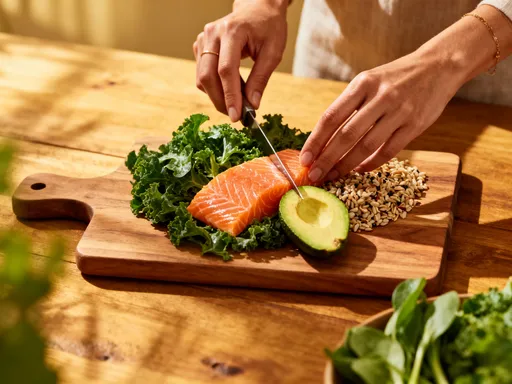
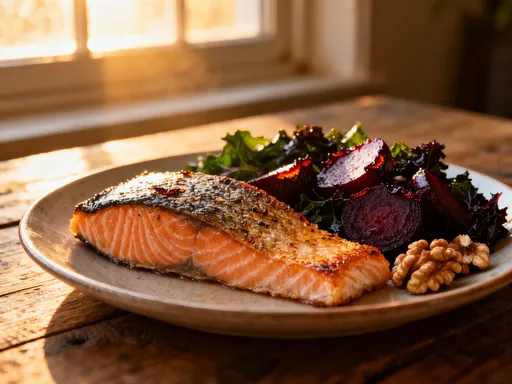
When these two elements—omega-3s and antioxidants—are combined, their effects are amplified. The fats help transport antioxidants across the blood-brain barrier, while the antioxidants protect the delicate fats from oxidation. A meal of grilled salmon served with a side of roasted beets, purple cabbage, and broccoli in olive oil exemplifies this synergy. The olive oil itself is a source of monounsaturated fat and vitamin E, further enhancing the antioxidant effect.
Another practical example is adding avocado to a spinach salad with berries and a vinaigrette made with flaxseed oil. The healthy fats in avocado and oil improve the absorption of carotenoids like lutein from spinach, which is associated with better memory and visual processing speed. This kind of meal doesn’t require gourmet skills or rare ingredients—it’s simple, flavorful, and deeply supportive of brain function. Over time, consistently choosing these kinds of combinations can lead to noticeable improvements in mental clarity and recall.
Grains and Legumes: The Forgotten Brain Fuel
In the era of low-carb diets, whole grains and legumes are often unfairly dismissed. Yet, they are foundational to sustained brain energy. The brain runs almost exclusively on glucose, and while refined carbohydrates cause rapid spikes and crashes in blood sugar, complex carbohydrates from whole grains and legumes release glucose slowly and steadily. This steady fuel supply is crucial for maintaining concentration, especially during long workdays or multitasking at home.
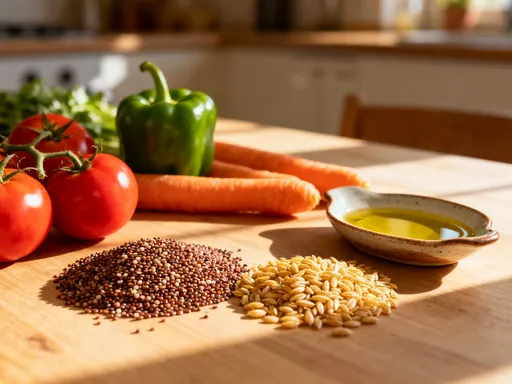
Legumes such as lentils, chickpeas, black beans, and kidney beans are rich in both protein and fiber. Protein is needed to produce neurotransmitters like dopamine and norepinephrine, which are essential for alertness and motivation. Fiber, on the other hand, slows digestion and prevents the insulin surges that lead to fatigue and mental fog. When paired with whole grains—such as brown rice, quinoa, barley, or whole wheat—the combination creates a complete protein profile and further stabilizes blood sugar.
The hippocampus, a region of the brain critical for memory formation, is particularly sensitive to fluctuations in blood glucose. Research from the University of California, Los Angeles, shows that individuals with unstable blood sugar levels perform worse on memory tasks and show early signs of hippocampal shrinkage over time. Meals that combine legumes and whole grains help maintain a balanced glucose supply, protecting this vital brain region.
A bowl of lentil soup with a slice of whole grain bread, a salad of quinoa with chickpeas and vegetables, or brown rice with black beans and salsa are all practical, affordable, and satisfying meals that support cognitive health. These dishes are not only rich in nutrients but also culturally diverse and easy to prepare in large batches. For busy women managing households and careers, such meals offer both physical and mental energy without the crash associated with sugary snacks or processed foods.
Spice It Up: Herbs, Spices, and Their Role in Pairings
Flavor doesn’t have to come at the cost of health—far from it. Many herbs and spices used for centuries in traditional cooking have now been validated by science for their brain-protective properties. The key lies in how they are used. Turmeric, for instance, contains curcumin, a compound with powerful anti-inflammatory and antioxidant effects. Studies suggest curcumin may help clear amyloid plaques in the brain—abnormal proteins linked to memory decline—though more research is ongoing.
But curcumin is poorly absorbed on its own. To unlock its benefits, it must be paired with black pepper and a healthy fat. Piperine, a compound in black pepper, increases curcumin absorption by up to 2,000%. When combined with a fat source like olive oil or coconut milk, as in a golden milk latte or a curry, curcumin becomes bioavailable. This is a perfect example of food synergy—no single ingredient is enough, but together, they create a powerful effect.
Other spices also offer cognitive support. Rosemary contains carnosic acid, which has been shown in laboratory studies to protect brain cells from oxidative stress. Sage, whose name comes from the Latin word for “to heal,” may improve memory and attention in older adults. Cinnamon helps regulate blood sugar and has anti-inflammatory properties. Adding a sprinkle of cinnamon to oatmeal, using rosemary when roasting vegetables, or seasoning lentils with cumin and turmeric are simple ways to boost both flavor and brain health.
Even common garlic and onions contribute. They are rich in antioxidants and sulfur compounds that support detoxification pathways in the liver—indirectly benefiting the brain by reducing systemic inflammation. Herbs like parsley and cilantro not only add freshness but also contain vitamin K, linked to better verbal memory in aging populations. These ingredients are not extras; they are functional components of a brain-healthy diet.
Avoiding Counterproductive Combos That Cancel Benefits
Just as certain pairings enhance nutrient absorption, others can block it. Being aware of these counterproductive combinations allows you to make smarter meal choices. One of the most common nutrient inhibitors is tannin, found in coffee, tea, and some red wines. Tannins bind to non-heme iron (iron from plant sources) and reduce its absorption. This means drinking tea with a spinach salad or coffee with a tofu breakfast may cancel out the iron benefits, especially for women with higher iron needs.
The solution is simple: separate high-iron meals from tea or coffee by at least 30 to 60 minutes. Enjoy your morning coffee before breakfast or your afternoon tea after a snack. If you enjoy herbal teas, opt for non-tannin varieties like chamomile or peppermint, which are gentle and may even support relaxation and digestion.
Another problematic combination is high sugar with high fat. While a slice of cake may be enjoyable, the combination of refined sugar and saturated fat triggers inflammation and insulin resistance—both of which are linked to cognitive decline. This doesn’t mean you should never enjoy desserts, but pairing them thoughtfully matters. For instance, eating fruit with dark chocolate (70% cocoa or higher) is less disruptive because the antioxidants in cocoa may offset some of the sugar’s effects, and the fiber in fruit slows absorption.
Calcium and iron, while both essential, should not be consumed together in large amounts. Calcium can inhibit iron absorption, so it’s wise to avoid taking calcium supplements or drinking milk-heavy smoothies with iron-rich meals. Similarly, high-dose zinc supplements can interfere with copper absorption, which is important for neurological function. The best approach is to get nutrients from food rather than relying on isolated supplements, where possible, as food matrices naturally balance these interactions.
Building Your Daily Plate: Simple, Real-Life Meal Ideas
Understanding the science is one thing, but putting it into daily practice is what leads to real change. The goal isn’t perfection but consistency. Below are realistic, tasty meal ideas that incorporate the principles of brain-healthy food combinations—steady glucose, nutrient synergy, anti-inflammatory fats, and antioxidant support.
For breakfast, try a bowl of steel-cut oats topped with walnuts, blueberries, chia seeds, and a sprinkle of cinnamon. The oats provide slow-digesting carbohydrates, walnuts offer omega-3s, berries deliver antioxidants, chia seeds add fiber and more omega-3s, and cinnamon helps regulate blood sugar. Drizzle with a little almond butter to enhance fat-soluble nutrient absorption.
Lunch could be a large salad of kale, chickpeas, roasted sweet potatoes, red bell peppers, and sunflower seeds, dressed with olive oil and lemon juice. The kale and peppers are rich in vitamin C and carotenoids, chickpeas provide protein and fiber, sweet potatoes offer complex carbs and vitamin A, and olive oil ensures the fat-soluble nutrients are absorbed. Add a squeeze of lemon to further boost iron uptake from the chickpeas.
Dinner might include baked salmon with a side of quinoa, steamed broccoli, and a roasted tomato and red onion medley sautéed in olive oil and seasoned with turmeric and black pepper. The salmon provides DHA, quinoa offers complete protein and fiber, broccoli contains antioxidants, and the tomato-onion mix provides lycopene and quercetin—both with anti-inflammatory effects. The olive oil and black pepper maximize nutrient bioavailability.
Snacks can also support memory. A small handful of mixed nuts (walnuts, almonds, and Brazil nuts), a piece of fruit, or hummus with carrot sticks are all excellent choices. These combinations balance protein, fat, and fiber to prevent energy dips. Even a small piece of dark chocolate with a few berries can be a mood- and brain-boosting treat when enjoyed in moderation.
Final Thoughts: A Sustainable Way to Feed Your Brain
Improving memory through food is not about following a rigid regimen or cutting out entire food groups. It’s about making small, thoughtful choices every day that add up over time. The brain thrives on consistency, not extremes. What you eat today may not change your memory overnight, but over weeks and months, the right food combinations can build a more resilient, sharper mind.
This approach is not a quick fix, nor is it a substitute for medical care. If you are experiencing persistent memory issues, it’s important to consult a healthcare professional to rule out underlying conditions. However, for the everyday mental fog, forgetfulness, or lack of focus that many women experience, nutrition offers a powerful, accessible tool.
Think of your diet as a long-term commitment to your brain’s health—a kind of promise to yourself. You don’t need expensive supplements or exotic ingredients. What you need is awareness, balance, and a willingness to experiment. Try pairing foods differently, notice how you feel afterward, and adjust based on what works for your body.
Memory is not just a function of age. It’s shaped by lifestyle, and among all lifestyle factors, diet is one of the most modifiable. By choosing combinations that support nutrient absorption, reduce inflammation, and stabilize energy, you are giving your brain the foundation it needs to thrive. Over time, these small changes can lead to greater clarity, confidence, and cognitive resilience—precisely what women in their busy, meaningful lives deserve.