This Is Why Maastricht’s Cultural Soul Shines Through My Lens
You know that feeling when a city just clicks through your camera? Maastricht wasn’t on my radar, but its quiet charm blew me away. Between ancient streets and local art vibes, every shot told a story. I went for the architecture, stayed for the cultural heartbeat—think cozy markets, hidden courtyards, and crafters keeping traditions alive. If you’re into photography that captures soul over sparkle, this place? Absolute gold. Let me show you why.
First Impressions: A City That Feels Like a Living Postcard
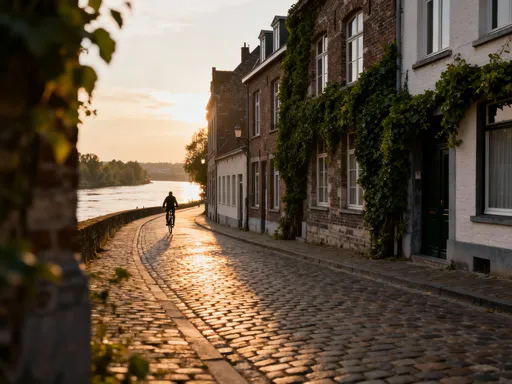
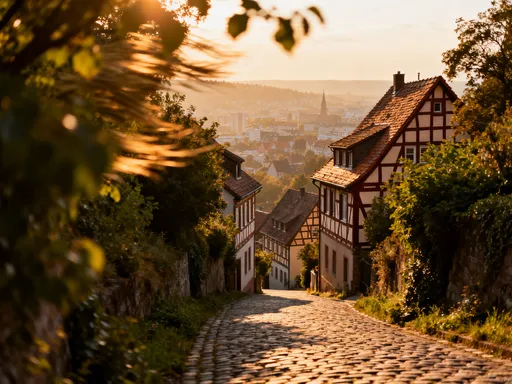
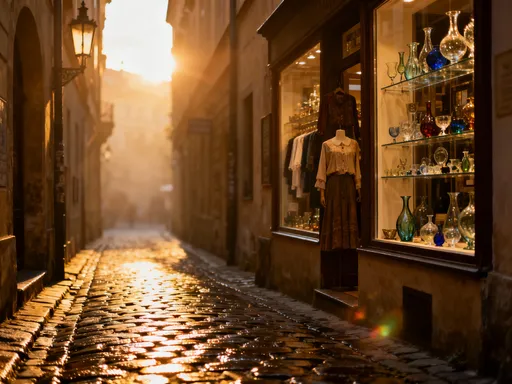
Stepping into Maastricht is like entering a carefully preserved moment in time. Cobblestone streets curve gently beneath your feet, worn smooth by centuries of footsteps, and the soft glow of the Meuse River at golden hour casts a golden ribbon through the city’s heart. Unlike the bustling energy of Amsterdam or Rotterdam, Maastricht moves at a different pace—one that allows space for observation, for stillness, for the perfect composition to unfold naturally. The city’s compact size makes it ideal for unhurried exploration, where every turn reveals a new vignette waiting to be framed: a bicycle leaning against a sunlit wall, a cat perched on a windowsill, or the reflection of Gothic spires shimmering in a puddle after rain.
What stands out immediately is the blend of Dutch practicality with a distinctly Southern European warmth. The architecture speaks of both restraint and romance—clean lines meet terracotta rooftops, while flower boxes burst with color in spring and summer. This harmonious contrast creates a visual rhythm that’s both soothing and stimulating for the photographer. The absence of overwhelming tourist crowds—especially outside peak holiday weeks—means you can capture authentic street life without competing for space. Early mornings are particularly rewarding, when the city wakes slowly and light filters through narrow alleys, highlighting textures in stone and wood that might otherwise go unnoticed.
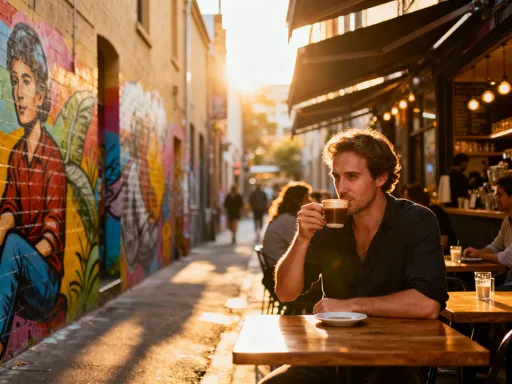
For photographers, Maastricht offers a rare gift: intimacy. You’re not just documenting a place; you’re invited into its daily rituals. The quiet plazas, the local baker opening his shop, the elderly couple sharing coffee at a corner café—these are the unscripted moments that give a city its soul. And because the city center is easily walkable, you can return to the same spots at different times of day, watching how light transforms a simple scene into something poetic. This rhythm of return and reinterpretation is at the heart of meaningful travel photography.
The Heartbeat of Tradition: Capturing Local Festivals and Markets
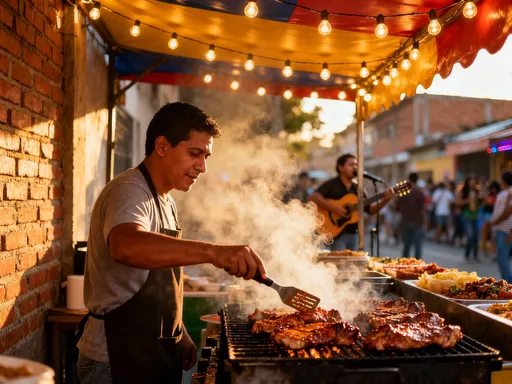
If Maastricht has a cultural pulse, it beats strongest in its festivals and markets. These are not staged performances for tourists but living traditions embraced by locals, making them ideal subjects for storytelling through the lens. The annual Novemberfest, for instance, transforms the city into a celebration of regional pride, with music, food, and crafts that reflect Limburg’s unique heritage. Streets fill with the scent of roasting chestnuts and spiced wine, while handmade goods—from woolen scarves to wooden toys—line the stalls. These events offer a photographer a rich tapestry of color, movement, and emotion.
Vrijthof Square, usually a serene expanse bordered by historic buildings, becomes a vibrant hub during the Christmas market. Here, the atmosphere shifts under the glow of thousands of lights strung above wooden chalets. Photographing these scenes requires patience and sensitivity. Rather than focusing only on wide-angle shots of the market, zoom in on the details: hands dusting powdered sugar on warm pastries, children pressing their noses against glass displays, or steam rising from a cup held by mittened fingers. These close-up moments convey warmth and humanity in a way that grand panoramas often cannot.
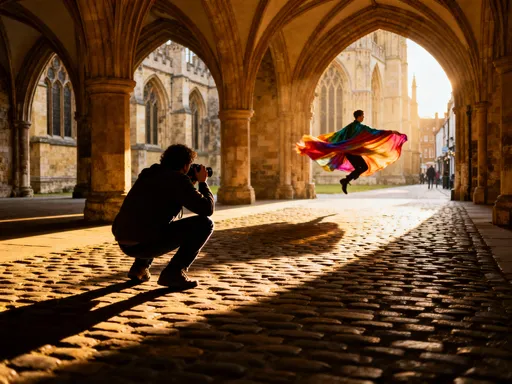
Natural light plays a crucial role in capturing the mood of these seasonal gatherings. Late afternoon and early evening are golden hours not just in color but in emotional resonance. The low sun catches the edges of hats and scarves, while artificial lights begin to twinkle, creating a layered effect of warm glows against cooling shadows. Using a slightly slower shutter speed can convey motion—laughter, dancing, or the swirl of a cloak—without sacrificing clarity. The key is to blend into the environment, becoming part of the scene rather than an intruder. When people feel at ease, their expressions remain genuine, and those are the images that endure.
Hidden Courtyards and Secret Alleys: Off-the-Beaten-Path Framing
Beyond the main thoroughfares, Maastricht reveals its most poetic corners in the form of *hofs*—historic inner courtyards tucked behind unmarked doors and narrow passageways. These secluded spaces, many dating back to the Middle Ages, are oases of calm and architectural beauty. Hof van Rosendale, with its ivy-draped arches and central well, feels like a scene from a Flemish painting. Hof van Cleve, once a noble residence, now hosts quiet gardens and weathered stone benches where sunlight dapples through overhead branches. These are not just photo opportunities; they are invitations to slow down and observe.
Photographing these spaces requires a respectful approach. Many of the *hofs* are still part of residential buildings, and their tranquility is cherished by those who live there. Always look for signage indicating public access, and avoid using flash or making loud noises. The best images often come from stillness—waiting for a beam of light to shift across a wall, or for a resident to pass through the courtyard, adding scale and life to the frame. The textures here are extraordinary: moss clinging to ancient brick, rusted iron railings, wooden doors with decades of paint layers peeling like old parchment.
Composition in these spaces benefits from simplicity. A single archway framing a patch of sky, a shadow stretching across a cobblestone floor, or the reflection of a tree in a rain-filled puddle—these minimal elements can speak volumes. Black-and-white photography often enhances the timeless quality of these scenes, stripping away distractions and emphasizing form and contrast. For color shots, focus on the subtle palette of weathered stone, green ivy, and the occasional pop of a flower in a window box. These courtyards remind us that beauty often lies in the overlooked, the quiet, the unassuming.
Architecture as a Character: From Gothic to Contemporary Contrast
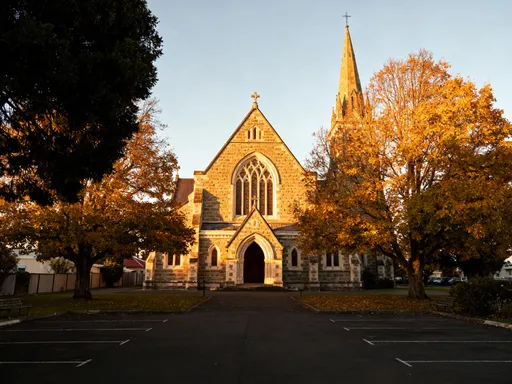
Maastricht’s skyline is a dialogue between centuries. The Basilica of St. Servatius, with its Romanesque nave and Gothic choir, stands as a testament to enduring craftsmanship. Its sandstone facade, weathered by time, glows warmly in the morning light, while the intricate carvings around the portals invite close inspection. Nearby, the Helpoort—Belgium’s oldest surviving city gate—anchors the city’s medieval identity, its twin towers rising like sentinels from another era. These landmarks are not museum pieces; they are part of daily life, framed by bicycles, café tables, and the occasional delivery van.
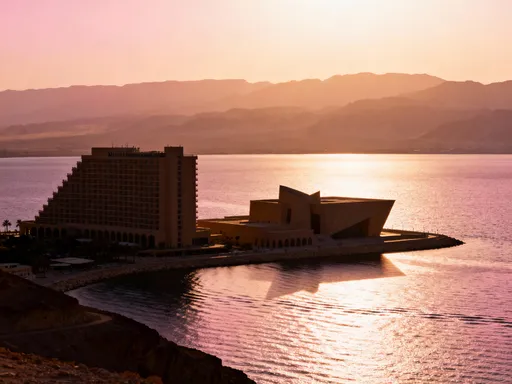
What makes Maastricht visually compelling is how these historic structures coexist with modern interventions. The Bonnefanten Museum, designed by architect Aldo Rossi, is a striking example. Its white ship-like form and copper dome contrast boldly with the surrounding medieval fabric, creating a dynamic tension that’s fascinating to photograph. The reflection of its clean lines in the Meuse River offers a powerful metaphor for the city’s ability to honor the past while embracing the new. Capturing this contrast requires thoughtful framing—perhaps a low-angle shot that places the Helpoort in the foreground with the museum’s dome rising behind, or a reflection in a shop window that merges old and new into a single image.
Timing is essential when photographing architecture. Midday sun can create harsh shadows and blown-out highlights, so early morning or late afternoon is ideal. Overcast days, often avoided by photographers, can actually enhance architectural details by providing even, diffused light. For interiors, like the vaulted ceilings of St. Servatius, a tripod allows for longer exposures that capture the space’s depth without noise. Always be mindful of visitors and worshippers—respect silence in sacred spaces and avoid obstructing pathways. The goal is not just to document buildings, but to reveal their presence as living characters in the city’s ongoing story.
People and Craft: Documenting Maastricht’s Artisan Spirit
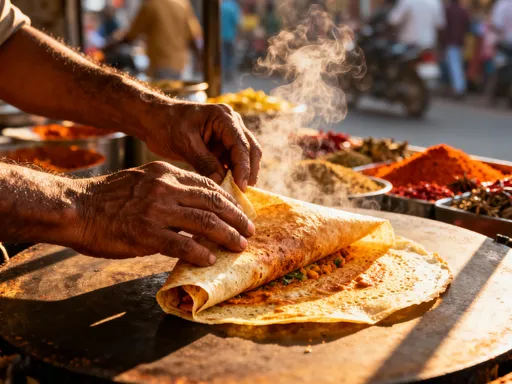
At the heart of Maastricht’s cultural identity is its community of artisans and makers. These are not performers for the camera but individuals deeply engaged in their craft, whether restoring antique furniture, hand-painting ceramics, or baking traditional *vlaai*, a regional fruit tart. Photographing them is an exercise in empathy and patience. The most powerful images emerge not from posed portraits but from moments of concentration—the furrowed brow of a potter shaping clay, the careful brushstroke of a painter, or the steam rising from a freshly pulled loaf.
Engaging ethically is paramount. Always ask permission before photographing someone at work. A smile, a simple gesture, or a few words in Dutch—like “Mag ik een foto maken?” (May I take a photo?)—can open a door to genuine connection. Many artisans are happy to be photographed, especially if you show interest in their work. This rapport often results in more natural, expressive images. Using a zoom lens allows you to capture detail without intrusion, preserving the subject’s comfort and the authenticity of the moment.
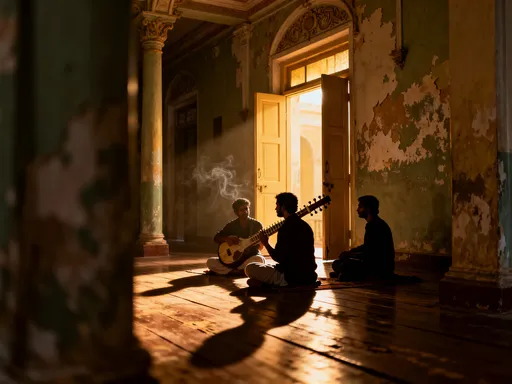
The settings where these craftspeople work—small workshops tucked into alleyways, open-air market stalls, or sunlit studios above shops—add layers of narrative. Peeling paint, scattered tools, and shelves lined with unfinished pieces tell stories of dedication and continuity. These spaces are not pristine; they are lived-in, and that’s what makes them compelling. The interplay of light and shadow in a cluttered workshop can elevate a simple scene into something deeply atmospheric. By focusing on the human element, photographers move beyond postcard imagery and begin to document the quiet dignity of everyday creation.
Light, Seasons, and the Rhythm of Daily Life
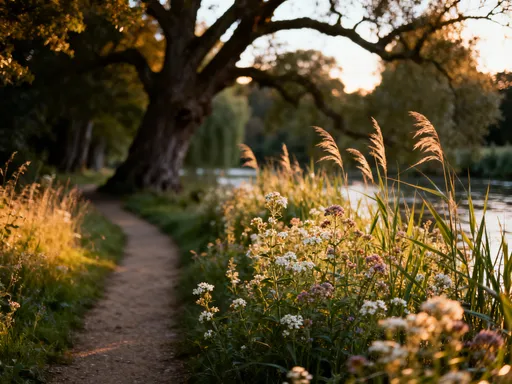
Maastricht changes with the seasons, and so does its photographic character. Winter brings a hushed beauty—fog drifting over the Meuse, frost etching delicate patterns on windowpanes, and bare tree branches framing historic facades in monochrome elegance. These conditions favor mood over clarity, inviting softer focus and longer exposures that capture the city’s breath. A tripod becomes essential for low-light shots, especially along the riverbanks at dawn, when the world feels suspended in stillness.
Spring reawakens the city with blossoms—cherry trees in the Jekerkwartier, tulips lining the quays, and wisteria spilling over courtyard walls. The contrast of vibrant blooms against centuries-old gray stone creates a visual poetry that’s hard to resist. This is also a time of movement: markets return, terraces reopen, and students from Maastricht University fill the parks with sketchbooks and conversation. Capturing this energy requires agility—switching from wide-angle street scenes to tight details of a flower petal dusted with rain.
Summer brings golden light and long evenings. The terraces along the Maasboulevard buzz with life, and the river becomes a mirror reflecting the sky’s changing hues. Polarizing filters help manage glare on water and glass, while a higher ISO setting allows for handheld shooting in dimmer corners. Autumn, with its warm light and falling leaves, offers a nostalgic tone—perfect for capturing the city’s quieter moments, like a lone cyclist crossing a bridge or a bookseller closing his stall at dusk.
Regardless of season, the rhythm of daily life remains a constant source of inspiration. The baker opening at 6 a.m., the postman making his rounds, the elderly woman tending her window garden—these are the threads that weave Maastricht’s cultural fabric. Photographing them isn’t about technical perfection but about presence. It’s about being there, camera in hand, ready to receive the moment.
Why This City Stays With You: Photography as Cultural Connection
What makes Maastricht linger in the mind long after the memory card is full is not just its beauty, but the way it invites connection. Through the lens, you’re not just an observer; you become a participant in the city’s quiet narrative. The act of framing a scene—waiting for the right light, the right gesture, the right alignment of elements—forces a kind of mindfulness. You slow down. You notice. You listen. And in that stillness, you begin to understand not just what the city looks like, but what it feels like.
Travel photography, at its best, is not about capturing the perfect shot. It’s about cultivating presence. In Maastricht, where grandeur is subtle and history is lived rather than displayed, this lesson is especially clear. The most powerful images are often the simplest: a hand resting on a stone wall, a cat sleeping in a sunbeam, a child’s drawing taped to a shop window. These are not staged. They are real. And they carry the weight of authenticity.
Moreover, photographing a place like Maastricht fosters a deeper respect for cultural continuity. You see how traditions are not relics but living practices—passed down, adapted, cherished. You witness how architecture, craft, and daily rituals form a coherent identity that resists homogenization. This awareness stays with you, shaping not only your photographs but your perspective on travel itself. It shifts the goal from collecting images to cultivating understanding.
For women aged 30 to 55—many of whom balance family, work, and personal passions—Maastricht offers a rare kind of renewal. It’s a place where creativity can breathe, where the pace allows for reflection, and where beauty reveals itself in layers. Picking up a camera here isn’t about becoming a professional; it’s about reclaiming a sense of curiosity, of wonder, of seeing the world anew. And that, perhaps, is the most valuable gift of all.
Maastricht doesn’t shout for attention—but through the viewfinder, its quiet cultural layers come alive. The city teaches photographers to look closer, wait longer, and connect deeper. Whether you're chasing golden light or a fleeting smile between strangers, this Dutch gem proves that sometimes, the most powerful stories are the ones whispered, not announced. Pick up your camera. Let the moment find you.