You Won’t Believe These Views Exist in the Wild
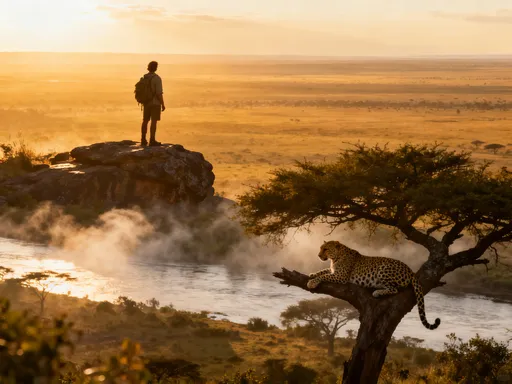
Imagine standing on a sun-warmed rock, binoculars in hand, as a leopard lounges on a branch just meters away—golden light spilling across the savanna. Kruger National Park isn’t just a safari destination; it’s a living gallery of nature’s most instagram-worthy moments. From sunrise panoramas to rivers teeming with wildlife, every viewpoint tells a story worth capturing and sharing. This vast sanctuary in northeastern South Africa spans nearly 20,000 square kilometers, sheltering over 500 bird species, 147 mammal species, and landscapes that shift from open grasslands to dense riverine forests. For travelers seeking both adventure and aesthetic beauty, Kruger offers more than sightings—it delivers emotional, almost cinematic experiences. These are not just scenic overlooks; they are windows into the soul of the wild.
The Magic of Kruger: Where Nature Meets the Lens
Kruger National Park stands as one of Africa’s most celebrated protected areas, not only for its size and biodiversity but for the seamless way it invites visitors into nature’s most intimate moments. Established in 1898, it has evolved into a model of conservation and accessible wilderness, where well-maintained roads lead to remote corners that still feel untouched. What sets Kruger apart from other safari destinations is its balance of infrastructure and immersion. Visitors can stay in comfortable rest camps, yet within minutes be deep in untamed bush, surrounded by the calls of fish eagles and the distant rumble of thundering herds. This harmony between accessibility and authenticity makes Kruger ideal for families, solo travelers, and photography enthusiasts alike.
The park’s visual appeal lies in its diversity. One moment you might be gazing across a golden savanna dotted with grazing impalas, and the next, you’re peering into a lush ravine where vervet monkeys leap between fever trees. The interplay of light, water, and wildlife creates scenes that seem too perfect to be real. Sunrise over the Sabie River, for instance, bathes the landscape in a soft amber glow, while sunsets along the Letaba River ignite the sky in fiery reds and oranges. These are not just background images—they are living tableaus, constantly shifting with the rhythms of the natural world.
For those who travel with cameras, smartphones, or even just a keen eye, Kruger offers endless opportunities for visual storytelling. Each viewpoint serves as a stage where animals perform their daily routines—drinking, hunting, resting, playing—under the open sky. The park’s reputation as a photographic paradise is well earned, supported by rangers who understand the value of visual documentation in conservation. Many rest camps now feature dedicated viewing decks, bird hides, and guided photography drives tailored to capturing these fleeting, powerful moments. More than just a backdrop for social media, Kruger’s vistas inspire a deeper connection to the planet and a renewed appreciation for wild spaces.
Sunrise at Skukuza: A Golden Hour Like No Other
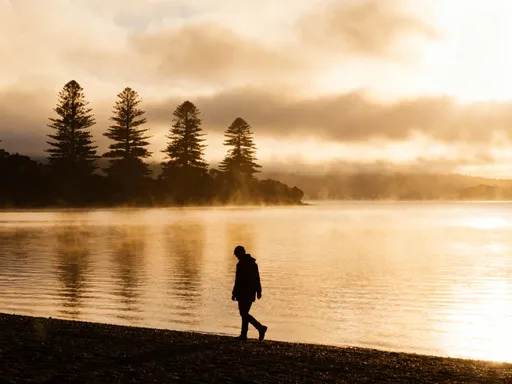
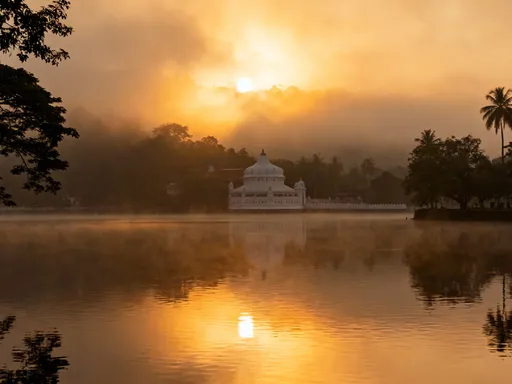
Skukuza, the largest and most centrally located rest camp in Kruger, serves as a gateway to some of the park’s most reliable wildlife sightings and breathtaking morning views. Nestled along the banks of the Sabie River, it offers several elevated lookouts that provide unobstructed views eastward—perfect for witnessing sunrise in all its glory. As dawn breaks, the river transforms into a mirror, reflecting the pale pink and gold hues of the early sky. The air is cool and still, carrying the faint scent of damp earth and acacia bark. This is when the bushveld awakens: elephants emerge from the treeline to drink, herds of kudu move cautiously to the water’s edge, and the first fish eagles begin their morning calls.
One of the best vantage points is the Skukuza Sunset Dam overlook, which, despite its name, is equally stunning at sunrise. Positioned just a short walk from the camp’s main area, it offers a panoramic view of the floodplain where hippos often linger in shallow pools. Arriving 30 to 45 minutes before sunrise ensures you secure a good spot and allow time for your eyes—and camera sensors—to adjust to the low light. The first rays of sunlight cresting over the eastern horizon set the acacia trees ablaze in silhouette, while the mist rising from the river creates a dreamlike atmosphere ideal for long-exposure photography.
Photographers visiting Skukuza should consider bringing a tripod for stability during early light conditions, along with a mid-range telephoto lens (70–200mm) to capture distant animals without disturbing them. A polarizing filter can help reduce glare on the water and enhance cloud definition in the sky. For those using smartphones, enabling HDR mode and using a portable stabilizer can significantly improve image quality. The key is patience—waiting quietly often rewards you with intimate moments, such as a mother elephant guiding her calf across the river or a pair of buffalo locking horns in a brief territorial dispute.
Beyond the technical aspects, sunrise at Skukuza offers a deeply emotional experience. There’s a stillness in those early hours that allows visitors to fully absorb the presence of the wild. Children wake with excitement, couples share quiet moments, and solo travelers find a rare sense of solitude. The camp’s proximity to the river and its well-planned layout make it especially welcoming for families and first-time safari goers. Rangers often host early-morning briefings at the camp’s amphitheater, offering insights into animal behavior and recent sightings. This blend of comfort and immersion makes Skukuza not just a convenient base, but a destination in itself—one where every sunrise feels like a new beginning.
Sunset from Letaba’s Elephant Hill: Drama in Every Frame
Perched high above the Letaba River, Letaba Rest Camp offers one of Kruger’s most dramatic sunset experiences. The camp’s namesake, Elephant Hill, rises just behind the main facilities, crowned with a viewing platform that provides a sweeping panorama of the river and the plains beyond. As the sun begins its descent, the landscape undergoes a transformation—shadows lengthen, the air warms with the scent of dry grass, and the river takes on a molten gold hue. This is the golden hour at its most theatrical, a time when wildlife becomes most active and the light turns everything it touches into art.
The Letaba River is known for its consistent water flow, attracting large herds of elephants, particularly in the dry winter months (May to September). From the hilltop, visitors often witness entire family groups moving across the floodplain, their trunks raised to test the wind. The silhouettes of baobab trees, scattered like ancient sentinels across the horizon, add a timeless quality to the scene. As the sun dips below the trees, the sky erupts in shades of orange, purple, and crimson, while the first stars begin to appear. The sounds of the bush at dusk—crickets, distant hyena whoops, and the low rumble of elephants—complete the sensory experience.
Accessibility is one of Letaba’s strengths. The path to Elephant Hill is a well-maintained gravel trail, suitable for visitors of all ages and fitness levels. Handrails and lighting along parts of the route ensure safety after dark, making it a popular choice for families and older travelers. The viewing platform itself is spacious, with multiple angles for photography and several benches for those who prefer to simply sit and absorb the moment. Rangers occasionally join guests during peak seasons, offering commentary on animal movements and sharing local folklore about the river’s significance to indigenous communities.
For photographers, the late afternoon light at Letaba presents both opportunity and challenge. The low angle of the sun creates long shadows and high contrast, which can be managed with careful exposure settings. A graduated neutral density filter is useful for balancing the bright sky with the darker foreground. Capturing elephants in silhouette against the sunset requires a fast shutter speed to freeze motion, especially when calves are running or adults are spraying water. Smartphone users can achieve strong results by tapping to focus on the horizon and using the timer function to avoid camera shake.
What makes Letaba truly special is its ability to blend comfort with wilderness. The camp offers modern amenities—including a restaurant, shop, and swimming pool—yet remains deeply integrated into its surroundings. Guests dining on the outdoor deck often pause mid-meal to watch elephants crossing the river just 200 meters away. This proximity to nature, combined with thoughtful design, creates an environment where relaxation and adventure coexist. Whether you’re sipping tea as the stars emerge or sharing stories around a fire pit, Letaba delivers a sunset experience that lingers long after the light fades.
The Legend of Boulders Viewpoint: Climbing into the Wild
Near the central Satara region of Kruger, the Boulders viewpoint stands as one of the park’s most iconic natural landmarks. Here, massive granite outcrops rise abruptly from the flat grasslands, their smooth, rounded surfaces weathered by centuries of sun and wind. These ancient formations offer a rare 360-degree vista of the surrounding savanna, making them a favorite among photographers, birdwatchers, and wildlife enthusiasts. Climbing the rocks at dawn, when the air is crisp and the world is still, feels like stepping onto a movie set—a landscape so vast and untouched it defies belief.
The journey to Boulders begins on a well-marked gravel road leading from the Satara rest camp. As you approach, the boulders appear like sentinels on the horizon, their grey tones contrasting with the golden grass. A short walking trail, approximately 300 meters long, leads to the base of the formation. From there, designated steps and handrails assist visitors in ascending safely to the main viewing area. Once atop, the view unfolds in every direction: open plains stretch to the horizon, dotted with herds of zebra, wildebeest, and the occasional lion resting in the shade of a marula tree. It’s not uncommon to spot a leopard sunning itself on a distant rock or a martial eagle circling high above.
Boulders is particularly renowned for predator sightings. The elevated perspective allows rangers and visitors to scan the grasslands for movement, increasing the chances of spotting lions on the hunt or cheetahs escorting their cubs. During the winter months, when vegetation is sparse, visibility is at its peak. Early morning visits are ideal—not only for the soft light but also because predators are most active at dawn and dusk. Staying quiet and patient on the rocks often rewards visitors with rare behaviors, such as a pride of lions moving together across the plain or a hyena investigating a recent kill.
Photographers flock to Boulders for its unique compositional possibilities. The contrast between the rugged rocks and the flat savanna creates depth and drama in wide-angle shots. Using a polarizing filter can enhance the texture of the granite and reduce glare on the grass. For wildlife photography, a telephoto lens (100–400mm) is recommended to capture animals without disturbing them. Because the rocks absorb and radiate heat, temperatures can rise quickly after sunrise, so wearing a hat, sunscreen, and bringing plenty of water is essential. Despite its popularity, Boulders maintains a sense of solitude, especially on weekdays or during the off-season.
What sets Boulders apart is its ability to make visitors feel both small and connected—to the land, to the animals, and to the ancient forces that shaped this landscape. It’s a place where time slows, where the only sounds are the wind and the distant calls of birds. For many, standing on those sun-warmed rocks is the highlight of their Kruger journey—a moment of awe that cannot be replicated anywhere else.
Crocodile River’s Hidden Lookouts: Underrated but Unforgettable
In the southern reaches of Kruger National Park, the Crocodile River carves a quiet path through rocky gorges and dense thickets, offering a more secluded and intimate safari experience. Unlike the busier central and northern regions, this area sees fewer visitors, making it ideal for those seeking solitude and authentic wildlife encounters. Along its banks, several lesser-known viewpoints provide front-row seats to the river’s rich ecosystem. Near Crocodile Bridge Camp, in particular, a network of short walking trails leads to elevated platforms overlooking deep pools where hippos grunt and crocodiles bask on sandbanks.
One of the most rewarding spots is the Crocodile Bridge River Walk, a 1.5-kilometer loop trail that begins just outside the camp. The path winds through mixed woodland and open riverine forest, offering frequent sightings of vervet monkeys, bushbuck, and a variety of bird species, including the striking purple-crested turaco. As you approach the river, the air grows cooler and damper, carrying the earthy scent of water and vegetation. The final viewpoint, a wooden deck built over the rocks, provides a direct line of sight into the river’s deepest channel, where pods of hippos spend their days submerged, emerging at dusk to graze.
What makes this area special is its unpredictability. Because it’s less frequented, animals behave more naturally, undisturbed by constant vehicle traffic. It’s not unusual to see a leopard drinking at the water’s edge or a herd of elephants crossing the river in single file. The dense foliage along the banks also provides excellent cover for stealthy predators, making every visit a potential surprise. For photographers, the dappled light filtering through the trees creates a soft, diffused glow—perfect for capturing intimate portraits of birds or close-ups of plant life.
The Crocodile River region is also significant for its geological features. The rocky outcrops and ancient lava flows tell the story of a landscape shaped by volcanic activity millions of years ago. Interpretive signs along the trail explain these formations in simple terms, making the walk educational as well as scenic. Rangers occasionally lead guided walks in the early morning, sharing insights into animal tracks, plant uses, and conservation efforts in the area. These tours are especially popular with families, as they combine adventure with learning in a safe, controlled environment.
For travelers looking to avoid crowds while still experiencing Kruger’s full range of wildlife, the southern sector offers a perfect balance. The Crocodile Bridge Camp itself is modest but well-equipped, with comfortable bungalows, a restaurant, and a small shop. Its location near the southern gate makes it a convenient stop for those entering or exiting the park. More than just a quiet alternative, this region reveals a different side of Kruger—one that is slower, deeper, and more reflective. It’s a reminder that sometimes, the most unforgettable views are the ones few have seen.
Panoramas from Olifants Camp: When the River Meets the Cliffs
Perched on a high plateau overlooking the Olifants River, Olifants Rest Camp offers one of Kruger’s most dramatic and visually striking settings. The camp is built into the cliffside, with its main facilities and guest units arranged to maximize the view of the river below. From the central viewing deck, visitors can gaze hundreds of meters down into the gorge, where elephants gather in large numbers, especially during the dry season. The river, though often reduced to a series of deep pools, remains a vital lifeline for wildlife, attracting not only elephants but also klipspringers, baboons, and a variety of raptors.
Sunrise and sunset at Olifants are particularly powerful. As the morning light spills over the cliffs, it illuminates the riverbed in golden streaks, revealing tracks left by nocturnal animals. Vultures begin to circle on thermal updrafts, scanning the landscape for scavenging opportunities. By late afternoon, the light turns warm and diffused, casting long shadows across the rocks. The sound of elephants trumpeting in the distance echoes through the gorge, creating a sense of timelessness. The camp’s design allows guests to experience this spectacle from the comfort of their rooms, the restaurant, or the viewing deck—no vehicle needed.
One of the most popular activities at Olifants is the guided gorge walk, a ranger-led trail that descends from the camp down to the river level. This approximately two-hour hike offers a completely different perspective—close enough to see elephant footprints in the mud, hear the splash of hippos, and spot rock hyraxes darting between boulders. The trail is well-maintained but requires a moderate level of fitness, making it suitable for older children and adults. Rangers provide commentary on geology, animal behavior, and conservation efforts, enriching the experience with knowledge and context.
Photographers visiting Olifants will find endless opportunities for compelling compositions. The contrast between the vertical cliffs and the horizontal river creates natural lines that draw the eye. Wide-angle lenses work well for capturing the full scope of the gorge, while telephoto lenses allow for detailed shots of animals on the far bank. Early morning visits to the viewing deck often yield misty, atmospheric images, while late afternoon light enhances texture and depth. Because the camp is remote, light pollution is minimal, making it one of the best places in Kruger for astrophotography.
Olifants represents a rare harmony between human presence and wild landscape. The camp’s architecture blends seamlessly with the environment, using natural materials and earth tones to minimize visual impact. Solar power and water-saving systems reflect a commitment to sustainability. For visitors, staying at Olifants is not just about comfort—it’s about immersion. It’s a place where you fall asleep to the sound of the river and wake to the sight of elephants moving like shadows in the dawn light. Few places in Kruger offer such a profound sense of connection to the land.
Insider Tips for Capturing the Perfect Shot
Capturing the magic of Kruger’s viewpoints requires more than just a good camera—it demands preparation, patience, and respect for the environment. The best time for photography is during the dry winter months, from May to September, when skies are clear, vegetation is sparse, and animals congregate around water sources. Early morning and late afternoon offer the softest, most flattering light, while midday sun can create harsh contrasts and washed-out colors. Planning your drives and walks around these golden hours significantly increases your chances of getting high-quality images.
When it comes to gear, simplicity often works best. A DSLR or mirrorless camera with a zoom lens (70–300mm) covers most wildlife scenarios, while a wide-angle lens (16–35mm) is ideal for landscapes. For smartphone users, modern devices with optical zoom and night mode capabilities can produce excellent results, especially when paired with a compact tripod or stabilizer. Avoid using flash, as it can startle animals and is often prohibited. Drones are strictly banned in Kruger National Park to protect wildlife and ensure visitor safety, so it’s important to rely on natural light and composition instead.
Understanding animal behavior enhances your ability to anticipate moments worth capturing. For example, elephants often visit waterholes in the early morning and late afternoon, while predators are more active at dawn and dusk. Using apps like Mabula or Zimani, which aggregate real-time sightings from rangers and visitors, can help you locate recent animal activity. However, it’s equally important to embrace spontaneity—some of the most memorable photos come from unexpected encounters.
Responsible photography is a core principle in Kruger. This means keeping a safe distance from animals, never feeding or calling them, and adhering to all park rules. Rangers emphasize that wildlife should never be disturbed for the sake of a photo. Patience is key: waiting quietly often leads to more natural and meaningful shots. Keeping a journal of your sightings—date, time, location, species—adds a personal dimension to your journey and helps you track patterns over time.
Finally, remember that the best photographs are not always the sharpest or most technically perfect. Sometimes, the most powerful image is the one that captures a feeling—the warmth of the sun on your skin, the sound of a lion’s roar in the distance, the quiet awe of watching a herd cross the river at sunset. These are the moments that stay with you long after the trip ends.
Beyond the Lens: Why These Views Stay With You
The viewpoints of Kruger National Park offer more than just opportunities for beautiful photographs—they provide moments of deep connection and reflection. In an age dominated by screens and schedules, standing on a rock overlooking a wild river or watching a family of elephants at sunset reminds us of something fundamental: our place within the natural world. These experiences do not end when the camera is put away. They linger in memory, shaping how we see ourselves and our relationship to the Earth.
Sharing these moments online is more than a social habit—it’s a form of advocacy. When a mother posts a photo of her child pointing at a rhino, or a grandmother shares a video of a lioness grooming her cubs, they are not just documenting a trip. They are spreading wonder, inspiring others to care about conservation, and supporting the protection of wild spaces. Every like, comment, or reshare becomes a small act of awareness, amplifying the importance of places like Kruger.
Yet, with this privilege comes responsibility. Travelers are encouraged to visit with intention—to leave no trace, respect wildlife, and support sustainable tourism. Kruger’s ecosystems are delicate, and the choices we make as visitors have real consequences. By following park guidelines, staying on designated roads, and supporting local conservation initiatives, we help ensure that these views remain for future generations.
In the end, the true value of Kruger’s viewpoints lies not in how many photos we take, but in how deeply we feel them. They remind us that beauty exists in the wild, untouched and untamed. They teach us patience, humility, and awe. And they invite us—not as conquerors, but as quiet observers—to witness the enduring magic of nature. Whether you’ve stood on Boulders at dawn or watched the sunset from Letaba, one truth remains: you won’t believe these views exist in the wild—until you see them with your own eyes.