You Won’t Believe These Hidden Natural Wonders in Cambridge
Cambridge isn’t just about old libraries and punting on the Cam. I stumbled upon something most tourists completely miss — wildflower meadows, hidden riverside paths, and ancient woodlands tucked behind historic walls. These quiet, untouched spots feel like nature’s secret gift. If you think Cambridge is all stone and scholarship, think again. The city’s natural side is subtle but stunning, and I’m taking you off the map to find it. Far from the postcard views of King’s College Chapel and crowded riverbanks, there lies a softer, greener Cambridge — one that breathes with the rhythm of the seasons, sheltered in plain sight. This is a city where centuries-old oaks stand sentinel beside bicycle lanes, where kingfishers flash above quiet backwaters, and where meadows bloom with colors few ever pause to see. For those willing to step beyond the guidebooks, Cambridge offers a different kind of discovery — not of facts and figures, but of peace, beauty, and the quiet wonder of the natural world thriving within an urban embrace.
Beyond the Ivy: Rediscovering Cambridge’s Wild Side
When most people think of Cambridge, images of weathered stone colleges, bustling market squares, and students cycling with books in hand come to mind. It’s a city celebrated for intellectual legacy, not wilderness. Yet beneath this scholarly surface flows a quieter current — one of rustling reeds, winding footpaths, and green corridors that have endured for centuries. While the university’s grandeur draws millions, a parallel world of natural resilience thrives just beyond the cobbled lanes. Cambridge is not merely an academic enclave; it is also a city woven with green threads, where nature and history coexist in delicate balance.
This harmony didn’t happen by accident. For decades, local conservation groups, university researchers, and city planners have worked to protect and restore Cambridge’s green spaces. From the designation of Local Nature Reserves to the reintroduction of native plant species, these efforts ensure that urban development does not come at the cost of ecological richness. The city supports over 40 designated green spaces, many of which are managed for both biodiversity and public enjoyment. These areas are not ornamental afterthoughts — they are vital lungs for the city, offering refuge for wildlife and respite for residents.
What makes Cambridge’s natural side so special is its accessibility. Unlike remote national parks, these hidden wonders are within walking or cycling distance of the city center. You don’t need a car or a full day to reach them. A short ride from Trinity College can lead you to meadows humming with bees; a ten-minute walk from the Fitzwilliam Museum might bring you to a riverside path where herons stand motionless in the shallows. This proximity allows for spontaneous connection with nature — a morning stroll before work, an evening escape from screens and schedules. It’s a reminder that nature need not be distant to be transformative.
The Secret Riverbanks: Hidden Paths Along the Cam
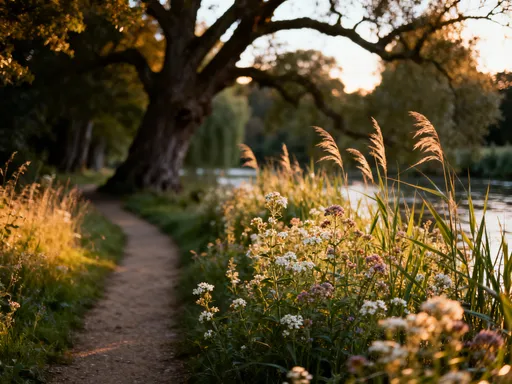
The River Cam is synonymous with Cambridge, but most visitors experience it from a punt, gliding past The Backs with cameras in hand. Few venture beyond these iconic stretches to discover the river’s quieter, wilder edges. Just upstream and downstream of the city center, the Cam slips into a more natural rhythm, flanked by overhanging willows, tall reeds, and muddy banks where water voles leave tiny tracks. These lesser-known riverbanks offer a different kind of intimacy — not with history, but with the living pulse of the waterway.
One such hidden gem is Sheep’s Green, a riverside meadow located just north of Magdalene Bridge. Once a grazing area for livestock, it now serves as a sanctuary for both people and wildlife. Here, the river widens slightly, and the current slows, creating calm pools where dragonflies skim the surface. In spring, the banks burst with marsh marigolds; in summer, swallows dive low over the water, catching insects on the wing. A footpath runs along the eastern edge, leading toward Fen Ditton, where the landscape opens into expansive floodplain meadows. This stretch is rarely crowded, even on sunny weekends, making it ideal for those seeking solitude.
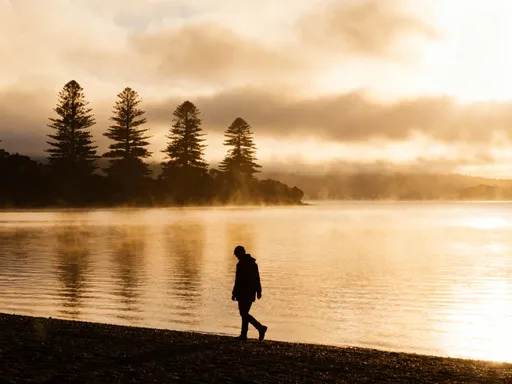
For the best experience, arrive early in the morning. Dawn brings a stillness that transforms the river — mist rises like breath from the water, and the first light gilds the reeds. Bring a thermos of tea and a lightweight jacket, and walk slowly. Listen for the metallic call of a kingfisher or the soft splash of a moorhen paddling through the weeds. Wear sturdy shoes, as some paths can be muddy after rain. Bicycles are welcome on many of these routes, but walking allows you to notice more — the pattern of bird tracks in the mud, the scent of wild mint crushed underfoot, the sudden flash of a damselfly’s wings.
Another quiet stretch lies downstream, near the village of Grantchester. While the popular Grantchester Meadows attract visitors for their pastoral charm, fewer explore the paths that continue along the river toward Coton. This route follows the Cam through a mosaic of wetlands and grasslands, where otters have been spotted at dusk. Public footpaths are well-marked, and benches are placed at intervals for rest. These riverside escapes remind us that even in a city, waterways can remain wild at heart — if we take the time to seek them out.
Ancient Trees and Hidden Groves: Exploring Cambridge’s Wooded Corners
Cambridge may not be known for forests, but it harbors small yet significant patches of woodland that have stood for generations. These groves are not grand plantations, but intimate enclaves where ancient trees grow in quiet dignity. Ditton Wood, nestled along the western edge of the city, is one such place. Though modest in size, it feels like a world apart — a canopy of oak, ash, and hazel filtering the sunlight into dappled patterns on the forest floor. In spring, the ground carpets with bluebells; in autumn, the air fills with the crisp scent of fallen leaves and the rustle of squirrels gathering acorns.
These woodlands are more than scenic retreats — they are ecological anchors. They provide habitat for birds like the nuthatch and treecreeper, support rare fungi and lichens, and act as corridors for wildlife moving through the urban landscape. Coe Fen, another historic woodland and floodplain area south of the city, has been protected since the 13th century. Once used for grazing and haymaking, it now functions as a nature reserve where seasonal flooding sustains a rich diversity of plant and animal life. Walking through Coe Fen in late summer, you might see common spotted orchids still in bloom, or hear the churring of a nightjar at twilight.
What makes these groves especially meaningful is their connection to Cambridge’s past. Many of these wooded areas have existed for centuries, witnessing the city’s transformation while remaining largely unchanged themselves. They offer a rare continuity — a chance to walk beneath trees that were saplings when Newton studied at Trinity. Some paths link these groves to historic sites, allowing visitors to experience nature and heritage in a single journey. A walk from Coe Fen to the ruins of Barnwell Priory, for example, blends birdwatching with a quiet encounter with medieval history.
To explore these woodlands, wear comfortable footwear and carry a small map or use a GPS-enabled device, as trails can be subtle. Visit in different seasons to appreciate their changing moods — the fresh green of April, the deep shade of July, the golden light of October afternoons. These groves are not places to rush through, but to linger in — to touch the bark of an old oak, to watch a spider’s web glisten with dew, to feel the quiet that only ancient trees can offer.
Wildflower Meadows Where History Sleeps
In a world where manicured lawns dominate urban landscapes, true wildflower meadows are increasingly rare. Yet Cambridge is home to several protected sites where native blooms still flourish in abundance. The Gog Magog Hills, located southeast of the city, rise gently above the surrounding flatlands, crowned with chalk grassland that supports over 200 plant species. In early summer, the slopes glow with yellow bird’s-foot trefoil, purple knapweed, and delicate dropwort. Bees, butterflies, and hoverflies drift from flower to flower, sustaining a fragile but vibrant ecosystem.
Even more remarkable is Trumpington Meadows, a Local Nature Reserve established on former agricultural land. Through careful restoration, what was once a monoculture field has become a thriving mosaic of wetland and grassland habitats. In June and July, the meadow explodes with color — oxeye daisies form white drifts, meadowsweet clouds the air with sweetness, and purple loosestrife stands tall in the damp corners. This site is especially important for pollinators, many of which are in decline across the UK. Regular surveys have recorded over 40 species of bees and 20 species of butterflies here, including the small copper and the common blue.
These meadows are not just ecological treasures — they are also cultural ones. They represent a return to traditional land management practices, such as late mowing and grazing, that once sustained England’s countryside. By preserving these methods, conservationists ensure that the meadows remain rich in biodiversity rather than reverting to uniform turf. For visitors, they offer a chance to reconnect with a vanishing landscape — one where flowers grow freely, untrimmed and uncontrolled, where the hum of insects replaces the whir of lawnmowers.
Walking through Trumpington Meadows on a warm afternoon is a sensory delight. The air vibrates with the sound of bees; the scent of warm grass and wild thyme lingers in the breeze. Benches are placed at intervals, inviting quiet contemplation. This is an ideal spot for families, photographers, or anyone seeking a peaceful retreat. Children can learn to identify butterflies or search for grasshoppers in the long grass, while adults may simply sit and watch the clouds drift over the hills. These meadows remind us that beauty does not require grandeur — sometimes, it blooms quietly in a field just minutes from the city center.
The University’s Green Legacy: Gardens That Aren’t Just for Scholars
The Cambridge University Botanic Garden is one of the city’s most cherished green spaces, spanning 40 acres and housing over 8,000 plant species. While it welcomes thousands of visitors each year, many only see the main pathways and glasshouses. Few venture into its quieter corners — the damp fern dell, the secluded bench beneath the giant redwood, or the winding path behind the alpine house where the noise of the city fades completely. These hidden zones offer a different experience: one of stillness, discovery, and deep connection with the plant world.
Established in 1831, the garden was designed not only for research but also for public education and wellbeing. Today, it continues to serve both purposes. Scientists study plant genetics and climate resilience here, while visitors find solace among the magnolias and water lilies. The garden’s layout encourages exploration — themed beds lead from one world to another, from the arid succulent collection to the misty woodland glade. Yet its true magic lies in the moments of solitude it offers, even on busy days.
For the most peaceful experience, arrive at opening time, just after 10 a.m. On weekday mornings, especially during the school year, the garden is often nearly empty. Walk slowly through the herbaceous borders, where foxgloves and delphiniums tower above the path. Pause by the pond, where frogs sun themselves on lily pads and dragonflies dart above the water. In spring, the cherry blossoms create a soft pink haze; in autumn, the gingko tree turns a brilliant gold, its fan-shaped leaves falling like coins.
The garden also hosts guided walks and seasonal events, but some of the most meaningful experiences are self-guided. Bring a notebook and sketch a flower, or use a plant identification app to learn the names of unfamiliar species. The staff are knowledgeable and approachable, often happy to share insights about cultivation or conservation. This is not a place to rush through, but to wander in — to breathe deeply, to notice the veins in a leaf, to feel the earth beneath your feet. It stands as a living testament to the university’s commitment to both knowledge and beauty.
Practical Magic: How to Experience Cambridge’s Nature Like a Local
Discovering Cambridge’s hidden natural wonders doesn’t require special skills — just a willingness to look beyond the obvious. The key is timing and approach. Mornings are ideal, especially on weekdays, when tourist crowds are thin and wildlife is most active. Cycling is one of the best ways to explore, as Cambridge is famously bike-friendly, with dedicated lanes and ample parking. A lightweight bicycle allows you to cover more ground while still being able to stop and explore narrow footpaths that cars cannot reach.
Start your journey early, with a thermos of tea or coffee. Pack a small backpack with essentials: a reusable water bottle, a light rain jacket, a hat, and comfortable walking shoes. A pair of binoculars can enhance birdwatching, and a field guide or plant identification app like iNaturalist can deepen your understanding of what you see. Respect for the environment is essential — stick to marked paths, avoid picking plants or disturbing wildlife, and carry out any litter. These spaces remain pristine because visitors treat them with care.
Seasonal timing also matters. Spring brings bluebells and nesting birds; summer offers long days and blooming meadows; autumn paints the woodlands in gold and crimson; even winter has its beauty, with frost-laced spiderwebs and bare branches etched against gray skies. Each season reveals a different facet of Cambridge’s natural soul. If possible, visit the same spot multiple times a year to witness its transformations.
Local knowledge can make a difference. Talk to park rangers, join a nature walk organized by the Wildlife Trust, or follow community boards for updates on wildflower blooms or bird sightings. These small actions connect you not just to the landscape, but to the people who care for it. By moving slowly, observing closely, and treading lightly, you become part of a quiet tradition — one that values stillness, curiosity, and the enduring presence of nature in the heart of the city.
Why These Hidden Wonders Matter — And How to Protect Them
Cambridge’s hidden natural spaces are more than scenic escapes — they are vital to the wellbeing of both people and the planet. Studies have shown that access to green spaces reduces stress, improves concentration, and supports mental health. For families, retirees, and busy professionals alike, these quiet corners offer a chance to reset, to breathe deeply, and to reconnect with something larger than daily routines. In a world of constant stimulation, they provide a rare gift: silence.
Ecologically, these areas are equally important. They support pollinators, clean the air, manage flood risk, and provide habitat for species that struggle to survive in more developed environments. As urbanization continues, the preservation of such spaces becomes not a luxury, but a necessity. They are living laboratories, classrooms without walls, and sanctuaries for both wildlife and the human spirit.
Protecting them requires collective effort. Visitors can help by following simple principles: stay on paths to prevent soil erosion, avoid littering, keep dogs under control, and never remove plants or disturb nests. Supporting local conservation groups through donations or volunteer work makes a tangible difference. Reporting invasive species or environmental damage to park authorities also contributes to long-term stewardship.
Ultimately, these hidden wonders invite us to shift our perspective — to see Cambridge not just as a city of scholars, but as a city of seasons, of quiet woods, of blooming meadows, of rivers that still run wild at the edges. They remind us that beauty and peace are not found only in distant landscapes, but in the overlooked corners of our own communities. By slowing down, looking closer, and treading gently, we honor not only the land, but our own need for stillness and connection. The wild heart of Cambridge beats quietly, patiently — waiting for those who are ready to listen.