You Won’t Believe What I Ate in Tokyo — This City’s Food Scene Is Next Level
Tokyo isn’t just a city — it’s a flavor explosion waiting to happen. I never expected my taste buds to go on such a wild ride until I wandered through its bustling streets and stumbled upon steaming ramen stalls, pristine sushi counters, and tiny izakayas glowing like hidden gems. Every bite tells a story of tradition, precision, and passion. If you think you know Japanese food, trust me — you’ve only scratched the surface. From the meticulous knife work of a sushi master to the smoky char of yakitori grilled over binchotan coals, Tokyo offers a culinary journey unlike any other. It’s a city where food is not just eaten — it’s revered.
Why Tokyo’s Local Cuisine Stands in a League of Its Own
Tokyo’s status as a global food capital is not by accident. It is the result of centuries of refinement, a culture that treats eating as both art and ritual, and an unwavering commitment to quality. With more Michelin-starred restaurants than any other city in the world, Tokyo sets the gold standard for culinary excellence. Yet, what truly distinguishes its cuisine is not just the presence of high-end dining, but the way excellence permeates every level — from a five-star kaiseki meal to a ten-dollar bowl of soba. The city’s chefs approach their craft with discipline, often training for decades to master a single dish. This dedication is evident in every detail, from the temperature of the rice to the angle at which fish is sliced.
One of the defining characteristics of Tokyo’s food culture is its deep respect for seasonality. Menus change with the calendar, celebrating ingredients at their peak. In spring, you’ll find dishes adorned with cherry blossoms or enhanced with the delicate flavor of bamboo shoots. Summer brings cold soba noodles and refreshing yuzu-based desserts, while autumn features matsutake mushrooms and grilled sanma (Pacific saury). Winter is the season of nabe — communal hot pots that warm both body and soul. This connection to nature ensures that meals are not only delicious but also deeply attuned to the rhythm of the year.
Another hallmark of Tokyo’s cuisine is its emphasis on umami, the so-called “fifth taste” that provides a savory depth to food. This flavor is achieved through ingredients like kombu (kelp), katsuobushi (dried bonito flakes), and miso, which are used in everything from soups to marinades. Umami is not just a taste — it’s a philosophy. It represents balance, harmony, and the idea that food should nourish more than just the stomach. Presentation, too, is paramount. Dishes are arranged with the care of a painter composing a canvas, using color, texture, and negative space to create visual delight. In Tokyo, even a simple bowl of rice is treated with reverence.
Street Food Adventures: Where to Find the Real Flavors
While Tokyo’s fine dining scene is world-renowned, some of its most memorable flavors come from the streets. Street food in Tokyo is not an afterthought — it’s a vital part of the city’s culinary identity. Unlike in some cities where street food is seen as casual or even disposable, in Tokyo, it’s made with the same care and precision as restaurant fare. The result is a vibrant, accessible, and deeply satisfying way to experience local flavors.
One of the best places to begin a street food journey is Asakusa, home to Nakamise-dori, the historic shopping street leading to Senso-ji Temple. Here, vendors have been serving snacks for over 300 years. You’ll find age-old favorites like ningyo-yaki — small, cake-like treats filled with sweet red bean paste — and kibi dango, chewy millet dumplings on skewers. These are not just sweets; they are edible heirlooms, passed down through generations. Nearby, Ameyoko Market in Ueno offers a more modern street food experience, with a bustling, multicultural energy. Stalls overflow with grilled seafood, dried fruits, and spices, and the scent of yakisoba — stir-fried noodles with pork and vegetables — fills the air.
For a truly local experience, visit during one of Tokyo’s many food festivals, or “matsuri.” These events, often held in neighborhood parks or temple grounds, bring together small vendors offering regional specialties. You might find takoyaki — golden-brown octopus balls crisped on the outside and molten within — cooked fresh to order, or taiyaki, fish-shaped cakes filled with custard or red bean. The key to enjoying street food like a Tokyoite is to embrace the flow. Don’t rush. Watch how locals order, point to what they want, and eat standing up or on a nearby bench. Avoid the temptation to stick to English-language signs; the best spots often have no signage at all, just a queue of eager eaters.
Timing matters, too. Many street vendors operate only in the evening or on weekends, and popular stalls can sell out by midday. Arriving early increases your chances of trying the full range of offerings. And while it’s tempting to treat street food as snacks, in Tokyo, they can be a full meal. A few well-chosen items — a serving of yakitori, a cup of oden (simmered fish cakes and vegetables), and a warm melon pan — make for a satisfying and authentic dinner. The beauty of street food is that it’s democratic: delicious, affordable, and open to all.
Sushi Beyond the Conveyor Belt: Seeking Authenticity
No discussion of Tokyo’s food scene is complete without sushi. While sushi has become a global phenomenon, experiencing it in its home city is a revelation. Tokyo is the birthplace of nigiri sushi, and its chefs are custodians of a tradition that dates back to the Edo period. The difference between sushi here and elsewhere lies not just in the fish, but in the entire philosophy — from the rice’s temperature and seasoning to the precise hand pressure used to shape each piece.
For many visitors, Tsukiji Market — now largely relocated to Toyosu — remains a pilgrimage site. While the famous tuna auction has moved, the outer market at Tsukiji is still alive with energy. Tiny stalls serve sushi for breakfast, often to locals who have been coming for decades. These are not fancy restaurants, but intimate counters where you sit shoulder-to-shoulder with salarymen and chefs. The fish is impossibly fresh, often pulled from the sea the night before. A simple piece of tuna, brushed with soy and served on warm rice, can be a life-changing bite.
For a more refined experience, seek out an Edomae sushi bar. Edomae refers to the traditional style of Tokyo sushi, where fish is aged slightly to enhance flavor and texture. These restaurants are often small, with only eight to ten seats, and require reservations weeks in advance. The chef curates the meal, serving each piece at the perfect temperature and pace. There’s no menu — you place your trust in the chef’s hands. This omakase (chef’s choice) experience is not just about eating; it’s about connection. The chef may explain each fish, its origin, and how it was prepared. It’s a conversation in flavor.
But authenticity doesn’t require a reservation or a high price tag. Some of the best sushi can be found in neighborhood restaurants, where families gather for weekend dinners. Look for places with a steady stream of local customers, handwritten menus, and a counter where you can watch the chef work. Even convenience stores in Tokyo offer surprisingly good sushi, thanks to strict quality control and rapid turnover. The key is freshness — and in Tokyo, that’s never in short supply.
Ramen Rituals: Navigating Tokyo’s Noodle Obsession
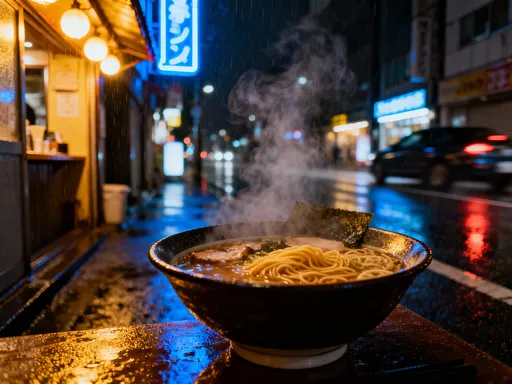
If sushi is Tokyo’s refined art, ramen is its beating heart. No city in the world has more ramen shops, and no food is more beloved by locals. Ramen is more than a meal — it’s a ritual. From the first sip of broth to the last slurp of noodles, every step is part of a sensory experience. The sound of noodles being pulled, the steam rising from the bowl, the rich aroma of pork or soy — it’s comfort, warmth, and satisfaction in a single dish.
Tokyo’s ramen is known for its shoyu (soy sauce) base, a clear, amber-colored broth that balances saltiness with depth. But the city also embraces other styles, from the creamy tonkotsu (pork bone) broths of Kyushu to the dipping-style tsukemen, where cold noodles are served separately from a concentrated broth. Each style has its devotees, and many shops specialize in just one. The best ramen is made with care: broths simmered for hours, noodles pulled to the perfect thickness, and toppings like chashu pork, marinated eggs, and nori added with precision.
To eat ramen like a local, head to districts like Ikebukuro, Shinjuku, or Kagurazaka, where narrow alleys are lined with tiny shops, each with its own loyal following. Many of these restaurants use vending machines for ordering — a unique Tokyo quirk. You insert cash, press a button for your choice, and receive a ticket to hand to the chef. Don’t be intimidated; photos are usually displayed, and staff are used to tourists. Once seated, follow the unspoken rules: don’t linger too long, slurp your noodles (it enhances flavor and cools them), and leave promptly after finishing to make room for others.
Timing is crucial. The best ramen shops often run out of broth by early evening, so aim for lunch or an early dinner. Weekends can mean long lines, but they’re part of the experience. While waiting, observe the regulars — office workers on break, students sharing a bowl, elderly couples enjoying a quiet meal. In these moments, ramen becomes more than food; it’s community. And with over 2,000 ramen shops in Tokyo, each with its own twist, the journey to find your favorite is one worth taking.
Izakayas and Hidden Eateries: Dining Like a Local
For a true taste of Tokyo’s social dining culture, there’s no better place than the izakaya. These small, informal pubs are where locals unwind after work, sharing small plates and cold beer. Think of them as Japanese gastropubs — cozy, lively, and full of flavor. Izakayas are not just restaurants; they are gathering places, where conversations flow as freely as the sake.
Walking through neighborhoods like Golden Gai in Shinjuku or Nonbei Yokocho (“Drunkard’s Alley”) in Shibuya, you’ll find izakayas tucked into narrow passages, some seating only six or seven people. Many have no signs, just a red lantern or a curtain marking the entrance. Inside, the atmosphere is warm and unpretentious. Salarymen in ties sit beside artists and students, all united by a love of good food and drink. The menu is often a chalkboard in Japanese, with no English translations — a sign you’ve found the real deal.
Ordering at an izakaya is part of the fun. Dishes are meant to be shared, so start with classics like yakitori (grilled chicken skewers), edamame, and karaage (Japanese fried chicken). Move on to sashimi platters, grilled fish, and small hot pots. Pair everything with drinks — beer, highballs, or junmai sake — served in small cups. Don’t be afraid to point or gesture; most staff are patient with non-Japanese speakers. If you’re unsure, ask for omakase — the chef will bring out a selection of seasonal specialties.
The beauty of izakayas lies in their spontaneity. You don’t need a reservation. You don’t need to dress up. You just show up, find a seat, and let the night unfold. And because they’re deeply embedded in local life, they offer a rare glimpse into Tokyo’s everyday culture. To find the best ones, follow the crowds. If a place is full of Japanese diners, especially in the evening, it’s likely excellent. Avoid spots with flashy signs in multiple languages — they’re often designed for tourists. The real izakayas are humble, unmarked, and unforgettable.
Seasonal Specialties and Market Treasures
In Tokyo, the calendar shapes the menu. Seasonal eating is not a trend — it’s a way of life. Chefs and home cooks alike celebrate the arrival of new ingredients with special dishes that appear only for a few weeks each year. This deep connection to the seasons ensures that food is always fresh, vibrant, and meaningful.
In spring, the city blooms with sakura-themed treats. You’ll find sakura mochi — pink rice cakes wrapped in pickled cherry leaves — and matcha-flavored desserts that capture the freshness of new tea leaves. Restaurants offer delicate dishes featuring takenoko (bamboo shoots) and warabi (bracken fern), ingredients that symbolize renewal. Summer brings cooling foods: zaru soba, served cold with a dipping sauce, and hiyashi chuka, a chilled noodle salad with colorful toppings. Refreshing drinks like ramune and kakigori (shaved ice) are everywhere.
Autumn is the season of abundance. Matsutake mushrooms, prized for their pine-like aroma, appear in soups and rice dishes. Sweet potatoes, chestnuts, and persimmons star in both savory and sweet preparations. One of the most beloved autumn dishes is sanma no shioyaki — Pacific saury simply grilled with salt, its rich oil balanced by a squeeze of sudachi citrus. Winter, meanwhile, is for warmth and comfort. Nabe hot pots bubble in homes and restaurants, filled with tofu, vegetables, and thinly sliced meat or seafood. Oden, a simmered dish of fish cakes, daikon, and boiled eggs, is a staple at convenience stores and street stalls.
To see where these ingredients come from, visit Toyosu Market, the modern successor to Tsukiji. While the auction is no longer open to the public, the outer market offers a feast for the senses. Fishmongers display glistening tuna, sea urchin, and scallops, while vendors sell pickles, tea, and kitchen tools. Neighborhood fish and produce markets, often open in the morning, offer an even more intimate look at daily life. Here, housewives and chefs select the day’s ingredients with care, knowing that the quality of a meal begins long before it reaches the table.
Practical Tips for Maximizing Your Food Journey
Exploring Tokyo’s food scene is one of the greatest joys of visiting the city, but a few practical tips can make the experience smoother and more rewarding. First, carry cash. While credit cards are becoming more common, many small restaurants, street vendors, and izakayas are cash-only. ATMs at convenience stores like 7-Eleven and FamilyMart accept foreign cards and are available 24/7.
Reservations are essential for high-end restaurants, especially those with Michelin stars or omakase menus. Use platforms like Pocket Concierge or TableCheck, or ask your hotel concierge for help. For popular ramen or sushi spots, arrive early to avoid long lines. Many restaurants open at 11:30 a.m. and begin queuing before then. If you see a line, join it — locals don’t wait for bad food.
Language can be a barrier, but it doesn’t have to be. Learn a few basic phrases like “sumimasen” (excuse me), “oh-ma-kah-seh” (chef’s choice), and “go-chu-mon-shi-masu” (I’d like to order). Pointing at photos or using a translation app works well. Many restaurants have plastic food displays in their windows — a universal menu. If you have dietary restrictions, carry a card in Japanese explaining your needs; these are available online and can be a lifesaver.
Use Tokyo’s efficient transit system to explore food destinations beyond the center. The Yamanote Line connects major districts, while day trips to places like Yokohama or Kamakura offer new culinary experiences. Consider a Pasmo or Suica card for seamless travel. And remember to respect dining customs: don’t tip (it’s not customary), don’t blow your nose at the table, and never stick your chopsticks upright in rice (it resembles a funeral ritual).
Finally, slow down. Tokyo’s food culture values mindfulness and appreciation. Take time to savor each bite, observe the details, and engage with the people who prepare your meals. This isn’t just about filling your stomach — it’s about connecting with a culture that sees food as an art, a science, and a gift.
Tokyo’s cuisine is more than sustenance — it’s a doorway into its soul. Each dish reflects dedication, history, and an almost spiritual respect for ingredients. Whether you're slurping noodles under neon lights or sharing small plates in a cozy backstreet bar, you're not just eating — you're connecting. This city doesn’t just feed you; it transforms you. One unforgettable bite at a time.