You Won’t Believe These Hidden Natural Gems in Ouagadougou
When you think of Ouagadougou, bustling markets and vibrant culture probably come to mind—but what about its wild side? I was shocked to discover how much untouched nature thrives in and around this West African capital. From serene parks to rocky escarpments hiding secret trails, Ouagadougou offers peaceful escapes most travelers never see. This city isn’t just urban energy—it’s green, raw, and full of surprises. Far from being a concrete jungle, Ouagadougou pulses with natural beauty that blends seamlessly into daily life. Whether you're strolling through shaded urban forests or venturing into the savanna beyond the city limits, the landscape invites curiosity, calm, and connection. This is a destination where nature isn’t reserved for remote reserves—it’s woven into the rhythm of the city itself.
Discovering Nature in an Unlikely Place
Ouagadougou, the capital of Burkina Faso, is often celebrated for its political significance, artisan markets, and lively music scene. Yet beneath its bustling streets and red laterite dust lies a quieter, greener reality. The city sits within the Sudanian savanna zone, a vast ecological belt stretching across West Africa characterized by open woodlands, grasslands, and a distinct seasonal rhythm. This environment supports a surprising diversity of plant and animal life, even within city boundaries. While many assume urban centers in this region are devoid of green spaces, Ouagadougou defies that assumption with a network of parks, protected zones, and natural formations that thrive despite urban growth.
The climate plays a key role in shaping these landscapes. With a marked dry season from November to May and a rainy season from June to October, vegetation here has adapted to periods of intense heat and prolonged drought. Trees like the shea, baobab, and kapok stand resilient, their deep roots anchoring them through months without rain. Grasses turn golden in the dry months, only to burst into green life when the rains return. This cycle creates a dynamic environment—one that feels alive and ever-changing, rather than static or barren.
What makes Ouagadougou’s natural offerings especially remarkable is their accessibility. Unlike cities where green spaces are manicured and isolated, here nature integrates organically with community life. Children play beneath acacia trees, elders gather in shaded clearings, and birds call from treetops just blocks from busy roads. The contrast between expectation and reality is striking: a city often associated with dust and heat also holds oases of coolness, quiet, and biodiversity. Recognizing this duality is the first step toward appreciating the full richness of Ouagadougou’s environment.
The Green Heart of the City: Bangr-Weogo Urban Park
At the center of Ouagadougou’s green identity lies Bangr-Weogo Urban Park, one of the largest urban green spaces in West Africa. Spanning over 180 hectares, this expansive reserve serves as a lung for the city, filtering air, reducing heat, and offering a sanctuary for both people and wildlife. Established in the 1930s during the colonial era and later expanded, the park has evolved into a vital public space that reflects the city’s commitment to preserving nature amid urban expansion. Its name, derived from the Moore language, means “bush of the weogo,” honoring the local term for the area’s original vegetation.
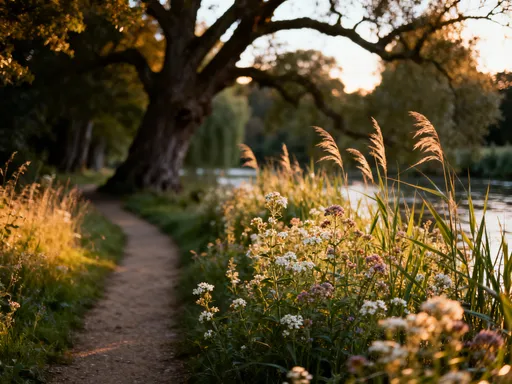
Winding trails meander through dense groves of native trees, including néré, djansang, and African rosewood, their canopies forming a natural roof that provides relief from the sun. Along the paths, visitors may spot monitor lizards slipping between rocks, squirrels darting through branches, or a variety of bird species such as hornbills and sunbirds. The park is not a zoo or a completely wild reserve—it is a managed ecosystem designed to coexist with human activity, yet it still feels untamed in the best possible way.
For locals, Bangr-Weogo is more than a park—it is a daily destination. Early in the morning, fitness groups gather for aerobics or jogging, their voices echoing through the trees. Families come on weekends to picnic on grassy slopes, while students use the shaded benches for quiet study. Cultural events, including traditional dance performances and environmental awareness campaigns, are regularly held here, reinforcing the park’s role as a communal hub. It is a place where nature supports well-being, not just environmentally but socially and emotionally.
Despite its importance, Bangr-Weogo faces challenges. Urban encroachment, littering, and limited resources for maintenance threaten its long-term sustainability. Efforts by local authorities and environmental NGOs have led to reforestation projects and clean-up initiatives, but ongoing public engagement is essential. Visitors are encouraged to respect the space—staying on paths, avoiding plastic waste, and supporting local guides who help protect and interpret the park’s value. When cared for, Bangr-Weogo remains a model of how cities in the Sahel can maintain a living relationship with nature.
A Breath of Fresh Air: The Serenity of Arly National Park (Accessible from Ouagadougou)
While Bangr-Weogo offers a taste of nature within the city, a more expansive wilderness experience awaits at Arly National Park, located approximately 150 kilometers southeast of Ouagadougou. Accessible by road in about three to four hours, this protected area forms part of the larger W-Arly-Pendjari (WAP) Complex, one of West Africa’s most significant transboundary conservation zones. Though not within the capital itself, Arly extends Ouagadougou’s natural appeal, offering travelers a chance to witness wildlife and ecosystems on a grander scale.
Arly National Park is home to a remarkable array of species, including elephants, buffalo, various antelope such as roan and hartebeest, and predators like leopards and hyenas. Birdwatchers will find over 350 recorded species, from martial eagles to Abyssinian rollers. The park’s landscape varies from floodplains along the Arly River to dry woodlands and rocky hills, creating diverse habitats that support this biodiversity. During the dry season, animals congregate around remaining water sources, making wildlife viewing particularly rewarding.
Eco-tourism is carefully managed to balance conservation with community benefit. Guided safaris—conducted in open vehicles with trained local rangers—allow visitors to explore safely while minimizing environmental impact. Walking tours, though limited for safety reasons, are available in designated zones, offering a more intimate experience of the terrain and sounds of the savanna. Some lodges near the park prioritize sustainability, using solar power, harvesting rainwater, and employing local staff, thereby contributing to regional development.
For residents of Ouagadougou, trips to Arly are often reserved for holidays or special occasions, but for visitors, the journey is a worthwhile investment. It provides perspective—showing how the natural world extends far beyond city limits and how conservation efforts in Burkina Faso are part of a broader regional strategy. The park also highlights the importance of protected areas in maintaining ecological balance, especially as climate change and land use pressures increase. By supporting responsible tourism, travelers help fund preservation and demonstrate that nature has enduring value.
Off the Beaten Path: The Rock Formations of Tiebele and Koudougou Plateau
Beyond the well-known parks lie lesser-visited geological wonders that reveal another dimension of Ouagadougou’s natural surroundings. The laterite rock formations near Tiebele and the elevated terrain of the Koudougou Plateau offer dramatic landscapes shaped by centuries of erosion and tectonic activity. These sites may not have formal visitor centers or guided tours, but they reward those who seek them with panoramic views, cool breezes, and a sense of solitude rarely found in more popular destinations.
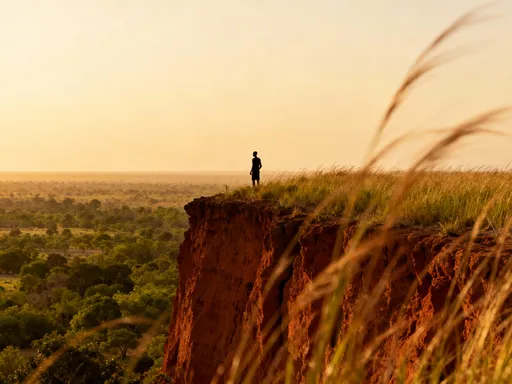
The red-hued laterite outcrops rise abruptly from the flat savanna, creating natural staircases and hidden caves. In Tiebele, known for its painted mud houses and traditional Kassena culture, the rocks are more than scenery—they are part of daily life. Locals use the shaded crevices as gathering spots, places to escape the midday heat or hold informal meetings. Some formations are associated with ancestral traditions, where elders pass down stories or perform quiet rituals, linking the land to cultural memory.
The Koudougou Plateau, situated west of the capital, presents a different kind of retreat. Its higher elevation results in slightly cooler temperatures and denser vegetation compared to the surrounding plains. Hiking here is informal—there are no marked trails—but the terrain is generally safe for exploration with a local guide. From the top, visitors can see sweeping views of farmland, villages, and distant hills, especially at sunrise or sunset when the light casts a golden glow across the landscape.
These areas are not developed for mass tourism, which helps preserve their authenticity. However, respectful visitation is crucial. Travelers should avoid climbing on culturally significant rocks, refrain from leaving waste, and seek permission when near inhabited zones. When approached with humility, these sites offer a deeper understanding of how people and nature coexist in harmony. They remind us that beauty often lies not in grand attractions, but in quiet places where earth, sky, and community meet.
Urban Oases: Smaller Parks and Green Spaces Within the Capital
While Bangr-Weogo dominates the city’s green landscape, Ouagadougou hosts several smaller parks and gardens that provide valuable pockets of tranquility. These urban oases may lack the scale of the central park, but they serve important roles in improving air quality, reducing noise pollution, and offering accessible retreats for residents. Among the most notable are the Japanese Garden, the Botanical Garden, and various roadside green reserves maintained by the city.
The Japanese Garden, located near the embassy district, is a peaceful blend of Burkinabé and Japanese landscaping principles. Designed to promote mindfulness and balance, it features a small pond with lotus flowers, stone pathways, and carefully pruned shrubs. Benches are placed to encourage quiet reflection, and the absence of loud music or crowds makes it ideal for meditation or reading. Though modest in size, its design invites a sense of calm that contrasts with the surrounding urban pace.
The Botanical Garden, managed by the University of Ouagadougou, serves both educational and conservation purposes. It houses a collection of native and medicinal plants, labeled with their scientific and local names. Students and researchers use the space for study, while visitors learn about plant uses in traditional medicine and agriculture. Guided tours are occasionally available, offering insights into Burkina Faso’s botanical heritage. The garden is less manicured than others, reflecting a more scientific approach, but its authenticity adds to its charm.
Roadside green spaces, though often overlooked, contribute significantly to the city’s environmental health. Along major avenues like Avenue Kwame Nkrumah and Avenue Mouammar Kadhafi, tree-lined medians and small reserves help filter dust and provide shade for pedestrians. While maintenance varies—some areas are well-kept, others show signs of neglect—these spaces demonstrate the city’s ongoing effort to integrate nature into infrastructure. For families living in dense neighborhoods, even a small park with a few trees and a bench can be a lifeline, offering a place for children to play and adults to rest.
Practical Tips for Exploring Nature Around Ouagadougou
For those planning to explore Ouagadougou’s natural spaces, timing and preparation make a significant difference. The best period to visit is during the dry season, from November to February, when temperatures are more moderate and rainfall is minimal. During these months, trails are accessible, wildlife is easier to spot near water sources, and outdoor activities are more comfortable. The rainy season, while lush and green, can make roads muddy and increase insect activity, so travelers should plan accordingly.
Dressing appropriately is essential. Lightweight, long-sleeved clothing helps protect against sun exposure and insect bites. Closed-toe shoes are recommended for hiking, especially on rocky or uneven terrain. Carrying a wide-brimmed hat, sunglasses, and sunscreen enhances comfort, particularly during midday exploration. Hydration is critical—always bring plenty of water, as natural shade may be limited in some areas.
Transportation options vary depending on the destination. Within the city, taxis are widely available and relatively affordable. For trips to places like Arly National Park or the Koudougou Plateau, hiring a private driver or joining an organized tour is advisable. Local tour operators often include park fees, guide services, and meals in their packages, simplifying logistics. Using a guide not only ensures safety but also enriches the experience through local knowledge of flora, fauna, and cultural context.
Safety considerations include staying on designated paths, avoiding travel alone in remote areas, and respecting local customs. In rural zones, it is polite to greet community members before entering shared spaces. Carrying a basic first-aid kit, insect repellent, and a charged mobile phone (with local SIM for better reception) adds an extra layer of preparedness. Above all, visitors should approach these spaces with respect—leaving no trace, minimizing noise, and supporting local economies through responsible choices.
Why These Natural Spaces Matter—For Locals and Travelers Alike
The natural spaces around Ouagadougou are more than scenic backdrops—they are essential to the health, culture, and future of the city. For residents, they provide physical and mental well-being, offering places to exercise, socialize, and find peace amid urban challenges. For children, parks are classrooms where they learn about nature; for elders, they are spaces of memory and continuity. Environmentally, these green zones help regulate temperature, prevent soil erosion, and support pollinators and other species crucial to ecological balance.
As Ouagadougou continues to grow, the pressure on these areas increases. Urban expansion, waste management issues, and climate variability threaten their survival. Yet, there is also hope. Community-led reforestation efforts, school environmental programs, and partnerships with international conservation groups show a growing awareness of the need to protect these spaces. Sustainable tourism plays a role too—when visitors choose eco-conscious practices, they contribute to preservation and signal that nature has value beyond development.
For travelers, experiencing Ouagadougou’s hidden natural gems is an opportunity to see a different side of West Africa—one defined not by poverty or hardship, but by resilience, beauty, and harmony. It invites a shift in perspective: from viewing cities as purely human constructs to recognizing them as living ecosystems intertwined with nature. These spaces remind us that even in rapidly growing urban centers, the wild is not lost—it is waiting to be noticed, appreciated, and protected.
So the next time you hear about Ouagadougou, think beyond the markets and the music. Picture a woman walking beneath baobab trees at dawn, a child spotting a bird in the Botanical Garden, a family laughing in the shade of Bangr-Weogo. These moments are not exceptions—they are the quiet heartbeat of the city. By visiting, respecting, and supporting these natural spaces, we help ensure they continue to thrive for generations to come.