You Gotta See These Eilat Landmarks – My Check-In Experience
Checking into Eilat felt like stepping into a sun-drenched dream. Between the shimmering Red Sea and desert hills, the city’s landmark buildings blend modern design with regional charm. I wasn’t expecting to be so impressed by the architecture, but structures like the iconic Moriah Hotel and the sleek Eilat Museum stood out instantly. They’re not just places to visit—they shape the city’s identity. This is more than a beach getaway; it’s a visual journey worth experiencing.
First Impressions: Arriving in Eilat and Spotting the Skyline
As the plane descends toward Eilat Airport, a striking contrast unfolds below—turquoise waters meet rust-colored mountains, with clusters of white and beige buildings hugging the coastline. The first architectural impressions are subtle yet powerful. Unlike sprawling metropolises defined by skyscrapers, Eilat reveals itself through low-rise elegance, where form follows both function and environment. Travelers arriving by car from Tel Aviv, after a three-hour drive through the Negev Desert, are greeted by a skyline that rises gently from the horizon, almost as if the city emerged naturally from the sand.
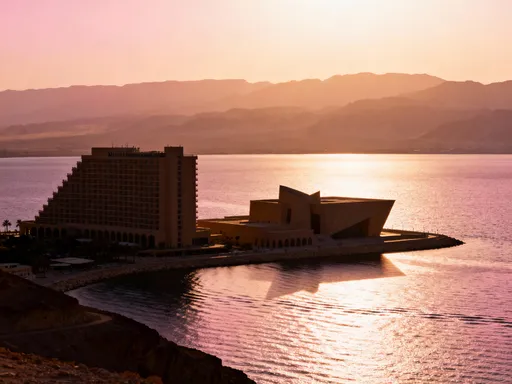
One of the earliest landmarks visible from the north is the Moriah Hotel, its tiered structure cascading toward the sea like a modern desert citadel. Its silhouette, defined by stacked terraces and shaded balconies, breaks the flatness of the coastal plain. For many visitors, this is the first visual confirmation that they’ve reached a destination unlike any other in Israel. From the Jordanian border crossing at Wadi Araba, the approach offers a different perspective—Eilat appears as a ribbon of development nestled between arid slopes and open water, with architectural forms designed to withstand intense sun and wind.
Architecture plays a crucial role in shaping a traveler’s emotional response upon arrival. In Eilat, buildings do more than provide shelter—they signal transition. The clean lines, reflective surfaces, and integration with nature tell a story of resilience and harmony. These early visual cues set the tone for the entire visit, suggesting a place where comfort meets contemplation, and where design respects both human needs and environmental limits. The city does not shout its presence; it whispers through thoughtful placement, scale, and materiality.
The Heart of the City: Eilat’s Most Recognizable Structures
At the core of Eilat’s architectural identity stand several defining structures, each contributing to the city’s character in distinct ways. The Moriah Hotel remains one of the most photographed buildings along the coast, not only for its prime location but for its pioneering role in shaping Eilat’s hospitality architecture. Completed in the late 20th century, it was among the first large-scale hotels to embrace a stepped design that maximizes sea views while minimizing direct solar exposure. Its tiered layout allows every guest room access to natural light and ventilation, reducing reliance on artificial cooling—a smart adaptation long before sustainability became a global priority.
Another standout is the Isrotel Royal Garden, part of a well-known Israeli hotel chain recognized for blending luxury with local context. This property integrates lush landscaping with minimalist architectural forms, creating an oasis feel without overwhelming the natural surroundings. Its courtyards, water features, and open-air corridors reflect traditional Middle Eastern design principles, such as inward-facing layouts that promote shade and privacy. The use of neutral tones and natural materials helps the complex blend into the desert palette, making it feel less imposed and more organic.
The Eilat Museum, located near the city center, serves as a cultural anchor and architectural statement. Designed with clean geometric shapes and large glass panels, it balances modern aesthetics with educational purpose. The building houses exhibits on regional history, marine life, and ancient trade routes, connecting visitors to Eilat’s past as a crossroads of civilizations. Its exterior, marked by angular canopies and shaded entryways, provides relief from the sun while inviting exploration. More than just a container for artifacts, the museum exemplifies how public architecture can enhance civic pride and attract intellectual engagement.
Together, these landmarks form a trinity of urban significance—hospitality, culture, and identity. They are not merely functional spaces; they are symbols of Eilat’s evolution from a remote outpost to a destination of architectural intention. Each structure tells a story about priorities: comfort in extreme climates, connection to heritage, and the desire to create meaningful experiences for residents and guests alike. Their prominence in the cityscape is not accidental but the result of deliberate planning and sensitivity to place.
From Desert to Sea: How Environment Shapes Eilat’s Architecture
Eilat’s climate is a powerful architect in its own right. With average summer temperatures exceeding 35°C (95°F) and intense solar radiation year-round, building design must respond to environmental demands. This necessity has fostered a unique architectural language characterized by passive cooling strategies, strategic orientation, and material innovation. Architects working in Eilat do not simply impose forms—they negotiate with nature, creating structures that coexist with, rather than dominate, their surroundings.
One of the most visible adaptations is the widespread use of reflective glass and light-colored façades. These surfaces reduce heat absorption, helping maintain cooler interior temperatures. Many buildings also incorporate overhangs, pergolas, and latticed screens—known locally as *mashrabiya*—that cast intricate shadows and allow airflow while blocking direct sunlight. Rooftop terraces are common, especially in hotels, offering guests shaded outdoor spaces with panoramic views of the Red Sea or mountains. These features are not merely decorative; they are functional responses to climatic reality.
Water-sensitive design is equally important. Given Eilat’s location in an arid zone, architects prioritize water conservation through xeriscaping—landscaping that uses drought-tolerant plants—and efficient irrigation systems. Some newer developments integrate rainwater harvesting and greywater recycling into their infrastructure. Sustainable energy solutions, such as rooftop solar panels, are increasingly common, particularly in public buildings and eco-conscious resorts. These technologies reflect a growing awareness of environmental responsibility and long-term resource management.
The coastal setting further influences design decisions. Sea breezes are harnessed through cross-ventilation techniques, with buildings oriented to capture prevailing winds. Balconies and open corridors act as wind tunnels, drawing cool air into interior spaces. At the same time, structures must withstand salt corrosion and high humidity, leading to the use of corrosion-resistant materials like treated aluminum, marine-grade steel, and specialized concrete coatings. These technical considerations shape the aesthetic of Eilat’s architecture, favoring durability, simplicity, and integration with the landscape.
The result is a built environment that feels both modern and grounded. Eilat’s architecture does not imitate global trends blindly; it interprets them through a local lens. The city’s buildings are not just shelters from the heat—they are intelligent, responsive systems that enhance livability. In doing so, they demonstrate how environmental constraints can inspire creativity rather than limit it.
Beyond the Beachfront: Hidden Architectural Gems Off the Main Strip
While the shoreline draws the majority of visitors, some of Eilat’s most compelling architecture lies just beyond the main tourist corridors. In residential neighborhoods and community zones, thoughtful design reveals itself in quieter, more intimate ways. These lesser-known structures may not appear on postcards, but they contribute significantly to the city’s architectural richness and social fabric.
One such example is the Eilat Community Center, a modest yet striking building that combines functionality with artistic expression. Its façade features a series of undulating concrete panels that create rhythmic patterns of light and shadow throughout the day. Inside, multipurpose halls host cultural events, fitness classes, and educational programs, serving as a hub for local life. The design encourages interaction, with open courtyards and transparent glass walls that blur the boundary between inside and outside. This kind of civic architecture fosters a sense of belonging and encourages daily engagement with public space.
Religious sites also offer architectural interest. The city’s main synagogue, while understated in appearance, incorporates elements of desert modernism—clean lines, natural stone finishes, and a domed roof that provides insulation. Its interior is bathed in soft, diffused light filtered through high clerestory windows, creating a serene atmosphere conducive to reflection. Other places of worship, including Christian and Druze chapels, reflect the city’s religious diversity through subtle design cues, such as symbolic motifs and spatial arrangements that honor tradition while embracing contemporary needs.
Public art integrated into architecture adds another layer of meaning. Along certain walkways and plazas, sculptural installations double as shade structures or seating elements. These pieces are not merely decorative; they invite interaction and slow down movement, encouraging people to pause and observe. In one neighborhood, a series of mosaic-tiled walls depicts scenes from Eilat’s maritime history, turning ordinary retaining walls into storytelling devices. Such details reveal a commitment to enriching everyday experience through design.
Exploring these off-the-beaten-path locations allows travelers to see Eilat from a different perspective—one shaped by daily life rather than tourist itineraries. It’s in these spaces that the city’s true character emerges: resilient, communal, and quietly innovative. For those willing to wander beyond the beachfront, the rewards are not just visual but emotional—a deeper connection to the place and its people.
Check-In Culture: Why Landmark Buildings Matter in Travel Experiences
In today’s digital age, the act of visiting a landmark has evolved beyond personal memory—it has become a shared experience. The rise of social media has transformed how people engage with architecture, turning iconic buildings into backdrops for digital check-ins. A photo in front of the Moriah Hotel or a sunset shot framed by the Eilat Museum’s canopy is more than a keepsake; it’s a statement of presence, a way of saying, “I was here, and this is what I saw.”
This phenomenon is not trivial. Psychologically, photographing and sharing landmarks reinforces a sense of accomplishment and connection. It anchors abstract travel experiences into tangible moments. The buildings themselves become symbols—shortcuts for conveying mood, style, and identity. When someone posts a picture against a stark white façade with the Red Sea in the background, they are not just documenting a location; they are curating a narrative about relaxation, adventure, or cultural discovery.
Architectural landmarks benefit from this trend as well. Increased visibility on platforms like Instagram and Facebook raises awareness and drives interest in lesser-known destinations. Eilat, once perceived primarily as a beach resort, gains new recognition as a place of design and visual interest. Hotels and public institutions now consider aesthetics not just for functionality but for photogenic appeal—creating “Instagrammable” angles, installing artistic lighting, and designing spaces that invite engagement.
Yet beyond the digital surface, there remains a deeper value. Landmark buildings serve as memory markers. Years later, a traveler may forget the name of a restaurant or the exact date of a trip, but they will remember standing beneath a dramatic overhang as the sun dipped below the water, or walking through a shaded courtyard alive with the sound of fountains. These moments are made possible by architecture—by spaces intentionally designed to inspire awe, comfort, and reflection. In this way, buildings do not just house experiences; they become part of them.
Practical Tips for Exploring Eilat’s Architectural Highlights
For travelers interested in experiencing Eilat’s architectural landscape, a little planning can enhance both comfort and enjoyment. The best times to explore are early morning and late afternoon, when temperatures are milder and sunlight creates dramatic contrasts. Sunrise offers soft golden hues that highlight textures and shadows, making it ideal for photography. Late afternoon light, especially between 4:30 and 6:30 PM, casts long silhouettes and warms the façades of buildings, producing visually rich compositions.
A recommended walking route begins at the northern end of the city, starting with the Moriah Hotel. From there, head south along the promenade, passing smaller boutique hotels and public art installations. Continue to the Eilat Museum, where a short visit can provide historical context for the surrounding area. Nearby, the Coral Beach Nature Reserve offers a natural counterpoint to the built environment, with boardwalks that showcase coastal ecology. Combining an architectural walk with a visit to this protected area creates a balanced experience of human and natural design.
For those preferring motorized transport, electric shuttles and bike rentals are available throughout the city. Biking allows for greater flexibility and access to residential areas where hidden architectural gems can be found. Several guided walking tours, led by local historians or architects, offer in-depth insights into Eilat’s development and design philosophy. These tours often include behind-the-scenes perspectives, such as the evolution of building codes in response to climate challenges.
Accessibility is generally good, with paved pathways, ramps, and designated parking near major sites. Most hotels and public buildings comply with national accessibility standards, ensuring that visitors with mobility challenges can participate fully. Families with children will appreciate shaded rest areas, water fountains, and nearby cafés where they can pause and recharge. Combining building visits with a coffee break at a seafront café or a quick stop at a park enhances the experience, turning a tour into a leisurely day out.
Travelers are encouraged to bring sun protection—wide-brimmed hats, UV-blocking sunglasses, and lightweight clothing—as even brief walks can be taxing under midday sun. Carrying a refillable water bottle is advisable, as hydration stations are available but not always frequent. With these simple preparations, exploring Eilat’s architecture becomes not only enjoyable but sustainable, allowing visitors to appreciate the city’s design at a comfortable pace.
Eilat’s Future Skyline: Development Trends and Urban Vision
Looking ahead, Eilat is undergoing a period of thoughtful transformation. Urban planners and architects are working to balance growth with preservation, ensuring that new developments enhance rather than overshadow the city’s unique character. Several large-scale projects are underway, including the expansion of the convention center district and the redevelopment of the old port area into a mixed-use zone with residential, commercial, and cultural spaces.
One of the most ambitious initiatives is the Eilat Waterfront Revitalization Project, which aims to reconnect the city more directly with the Red Sea. This plan includes new public plazas, upgraded marina facilities, and pedestrian-friendly pathways that encourage walking and cycling. The architectural language of these additions emphasizes transparency, openness, and environmental integration, with glass railings, elevated walkways, and native landscaping. The goal is to create a seamless transition between land and water, inviting people to engage with the shoreline in new ways.
Sustainability remains a central theme in future development. New buildings are required to meet higher energy efficiency standards, with mandates for solar panel installation and water-saving technologies. Some proposed hotels are designed as “energy-positive,” generating more power than they consume through integrated photovoltaic systems. Urban greenery is being expanded, with vertical gardens and rooftop farms planned for certain complexes, contributing to both aesthetics and food security.
At the same time, there is a strong emphasis on preserving Eilat’s architectural heritage. Historic buildings, including early resort structures and community landmarks, are being assessed for conservation value. Adaptive reuse—transforming old buildings for new purposes—is gaining traction as a way to honor the past while meeting modern needs. This approach ensures that Eilat’s evolution is not a break from history but a continuation of it.
The city’s long-term vision positions Eilat not just as a vacation spot but as a model of sustainable desert urbanism. By integrating smart design, environmental stewardship, and cultural authenticity, planners aim to elevate Eilat’s status on the global stage. The skyline may change, but the guiding principles—harmony with nature, human-centered design, and quiet elegance—are expected to endure.
Wrap up by reinforcing how landmark buildings are more than concrete and glass—they tell Eilat’s story. From first sight to final farewell, these structures shape memory, inspire exploration, and invite travelers to look beyond the sand and sea. The next time you check in, take a moment to look up.