You Won’t Believe How Delicious Bangalore’s Street Food Scene Is
Bangalore isn’t just India’s tech hub—it’s a hidden paradise for food lovers. I was blown away by how much flavor hides in its bustling streets, quirky cafes, and local markets. From steaming masala dosas to trendy fusion bites, every corner serves up something worth photographing and tasting. This city blends tradition with modern vibes in the most delicious way. If you’re chasing authentic food culture with serious Instagram appeal, Bangalore should be next on your list.
Why Bangalore Deserves a Spot on Every Food Lover’s Map
Bangalore, once celebrated as India’s Garden City for its lush greenery and pleasant climate, has quietly transformed into one of the country’s most dynamic food destinations. While its reputation as a technology capital draws professionals from across India and beyond, it is the city’s evolving culinary identity that increasingly captures global attention. Unlike other metropolitan centers where food trends are imported wholesale, Bangalore’s cuisine tells a story of cultural convergence—where South Indian roots meet North Indian influences, coastal flavors blend with urban innovation, and traditional cooking techniques are reimagined for modern palates.
The city’s culinary diversity stems largely from decades of migration. As professionals from different states settled in Bangalore for work, they brought with them regional recipes, cooking styles, and ingredients. Over time, these influences merged organically, giving rise to a food culture that is both deeply rooted and refreshingly contemporary. The result? A gastronomic landscape where you can savor a steaming plate of Karnataka-style bisi bele bath in the morning and enjoy a Punjabi-style chole kulche for lunch—all within a few kilometers of each other. This seamless coexistence of flavors is what makes the city uniquely appealing to food enthusiasts.
Moreover, Bangalore’s urban development has played a key role in shaping its food scene. The expansion of neighborhoods like Indiranagar, Koramangala, and Jayanagar has created fertile ground for both homegrown eateries and upscale dining concepts. What was once a city of modest Udupi restaurants and family-run dhabas now boasts a vibrant mix of street vendors, cloud kitchens, and design-forward cafes. Yet, despite this modernization, the soul of Bangalore’s cuisine remains grounded in authenticity. Whether you're standing at a roadside stall or seated in an air-conditioned bistro, the emphasis remains on bold flavors, fresh ingredients, and warm hospitality.
Chasing Flavors in the Heart of the City: Must-Visit Food Streets
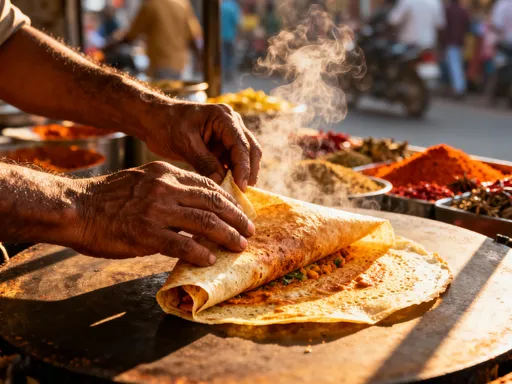
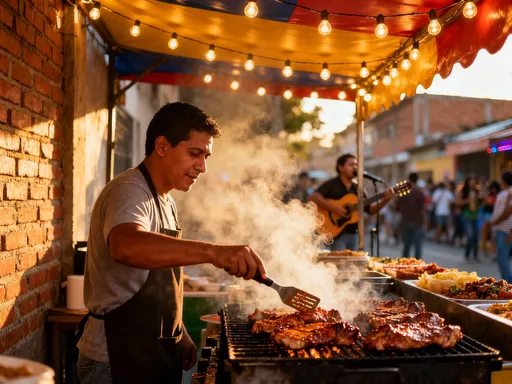
For any traveler seeking an immersive food experience, few places deliver like VV Puram Food Street. Officially known as V.V. Puram Vidyarthi Bhavan Road, this pedestrian-only lane transforms every evening into a bustling open-air kitchen. Recognized by both locals and tourists as one of the best places to sample authentic South Indian street food, it offers a sensory journey unlike any other. The aroma of ghee roasting on hot griddles, the sizzle of onions hitting hot oil, and the rhythmic clatter of steel plates set the stage for an unforgettable culinary adventure.
One cannot visit VV Puram without trying the legendary benne dosa—a golden, butter-laden crepe that gets its name from the Kannada word for ghee, "benne." Crispy on the edges and soft in the center, this dosa is typically served with spicy red chutney and a bowl of aromatic sambar. Another standout is the masala puri, a tangy and crunchy snack made with fried puris topped with spiced potatoes, onions, tamarind chutney, and sev. The combination of textures and flavors makes it a favorite among locals and first-time visitors alike. For those with a sweet tooth, the jalebis here—deep-fried, syrup-soaked spirals of joy—are served piping hot and are best enjoyed with a side of creamy rabri.
Equally compelling is Gandhi Bazaar, located near Malleswaram, a neighborhood known for its traditional charm and strong community ties. This market lane comes alive in the late afternoon, offering a more intimate and less touristy experience than VV Puram. Here, vendors specialize in homemade snacks passed down through generations. You’ll find women in sarees selling freshly made akki rotis (rice flatbreads) alongside men stirring large pots of spicy curries. The filter coffee served at small roadside stalls is particularly noteworthy—rich, strong, and perfectly balanced with milk and sugar. These everyday rituals make Gandhi Bazaar not just a place to eat, but a window into the heart of Bangalore’s domestic food culture.
Both food streets offer exceptional opportunities for photography. The warm glow of string lights, the vibrant colors of spices stacked in mounds, and the animated expressions of vendors and diners create natural compositions that require little editing. Travelers are encouraged to engage respectfully—ask before photographing people, and always support the vendors by purchasing what you capture. In doing so, you contribute to preserving these living food traditions while creating meaningful visual memories.
From Traditional Eateries to Trendy Cafés: Where Old Meets New
One of the most fascinating aspects of Bangalore’s food culture is the harmonious coexistence of old and new. In the same neighborhood, you might find a decades-old Udupi restaurant serving steaming idlis alongside a neon-lit café offering avocado toast with black sesame sprinkles. This blend isn’t forced or performative—it’s a natural evolution shaped by changing tastes, generational shifts, and the city’s openness to innovation.
Traditional Udupi restaurants, often run by families from the coastal regions of Karnataka, have long been staples of Bangalore’s dining scene. Places like MTR (Mavalli Tiffin Rooms) and Vidyarthi Bhavan are institutions, renowned for their consistency and adherence to authentic recipes. At these establishments, meals are served on banana leaves or steel thalis, and the focus is on simplicity, hygiene, and flavor. A typical breakfast spread includes soft idlis, fluffy rava dosas, and spicy chutneys, all prepared using time-tested methods. These restaurants attract not only older residents nostalgic for childhood flavors but also younger diners who appreciate the quality and heritage behind each dish.
Contrast this with the wave of modern cafes that have emerged in areas like Indiranagar and Koramangala. These spaces are designed with aesthetics in mind—exposed brick walls, hanging plants, curated playlists, and carefully lit interiors make them ideal for social media sharing. But beyond the ambiance, many of these cafes are pushing culinary boundaries. Take, for example, the growing popularity of fusion dosas—crepes filled with ingredients like cream cheese, smoked salmon, or pesto mushrooms. While purists may raise an eyebrow, these innovations reflect the city’s cosmopolitan spirit and its willingness to embrace global influences without abandoning local roots.
What sets Bangalore apart is that these two worlds don’t compete—they complement. A young professional might start their day with a filter coffee at a heritage Udupi hotel, grab lunch at a Korean-Indian fusion bistro, and end the evening with craft beer and gourmet sliders at a rooftop lounge. This fluidity in dining choices speaks to the city’s inclusive food philosophy, where tradition and trendiness are not opposites but partners in a shared culinary journey.
The Art of the Perfect Bite: Signature Dishes You Can’t Miss
To truly understand Bangalore’s food culture, one must explore its signature dishes—those humble yet extraordinary creations that define the region’s palate. Among the most iconic is ragi mudde, a dense ball made from finger millet flour, typically served with saaru (a spicy pepper water) and ghee. Though simple in appearance, ragi mudde is a nutritional powerhouse, rich in fiber and calcium, and has been a staple in rural Karnataka for generations. In Bangalore, it’s increasingly celebrated not just for its health benefits but for its deep cultural significance. Eating it the traditional way—breaking off a small piece with your fingers and dipping it into the saaru—connects you to centuries of agrarian life.
Another must-try is the mysore bonda, a spiced potato-filled fritter coated in a thin layer of gram flour batter and deep-fried to perfection. What distinguishes it from other bondas is the red chili paste smeared inside before frying, giving it a fiery kick that lingers on the tongue. Best enjoyed with a cup of hot filter coffee, this snack is commonly found at roadside stalls and railway station vendors, making it an accessible taste of local flavor. The contrast between the crisp exterior and the soft, spiced interior exemplifies the balance that South Indian cuisine strives for—heat, texture, and aroma in perfect harmony.
Neer dosa, meaning "water dosa" due to its thin, runny batter, is another delicacy that showcases the region’s culinary finesse. Unlike its fermented cousins, neer dosa is made fresh each time, resulting in a delicate, lacy crepe that pairs beautifully with coconut chutney or vegetable curries. It’s often served during festivals or special family meals, symbolizing comfort and celebration. In Bangalore, you’ll find both home-style versions at local eateries and elevated interpretations at fine-dining restaurants, where chefs present it with modern garnishes and artistic plating.
To eat like a local, it’s important to observe certain unwritten rules. First, arrive early—popular spots often run out of key items by midday. Second, embrace the messiness. Eating with your hands enhances the flavor and is considered respectful in many traditional settings. Third, don’t be afraid to ask for recommendations. Most vendors are happy to guide newcomers through their menu, especially if you show genuine interest. And finally, avoid overpriced tourist traps near major hotels; instead, follow the crowds of office workers and families, who know where the real quality lies.
Food Markets That Tell a Story: Culture on a Plate
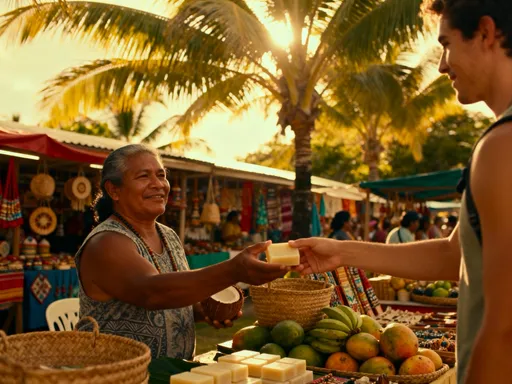
Bangalore’s food markets are more than places to shop—they are living museums of taste, tradition, and community. KR Market, located near City Railway Station, is one of the oldest and largest wholesale markets in South India. Named after Sir K. R. Narayanaswamy, a former mayor of Bangalore, it spans acres of vibrant stalls selling everything from jasmine garlands to tropical fruits, fresh flowers, and an astonishing variety of spices. The market opens before dawn, and by sunrise, it’s already buzzing with activity. Farmers from surrounding villages arrive with crates of mangoes, jackfruit, and banana varieties rarely seen in supermarkets, while spice merchants display pyramids of turmeric, coriander, and red chili powder in shades ranging from bright orange to deep crimson.
Walking through KR Market is a full-sensory experience. The scent of cardamom and cloves mingles with the sweetness of ripe fruit. Vendors call out prices in Kannada, Tamil, and Hindi, creating a linguistic tapestry that mirrors the city’s diversity. Stalls selling ready-to-eat snacks—like hot vadas, steamed idlis, and sweet pongal—offer quick bites for early risers. For photographers, the market is a treasure trove of candid moments: elderly women bargaining for coconuts, children helping pack baskets, and porters balancing towering loads on their heads. Every frame tells a story of labor, livelihood, and local life.
Another gem is Malleswaram 8th Cross Road, a quieter but equally authentic market street. Known for its emphasis on quality and cleanliness, it attracts discerning homemakers who value freshness and tradition. Here, you’ll find organic produce, homemade pickles, and freshly ground spice mixes sold by small family businesses. Many of these vendors have operated for decades, passing down recipes and customer relationships through generations. The food stalls in this area specialize in homestyle cooking—think piping hot rava upma, crispy onion uttapam, and hot jaggery-laced adai served with coconut chutney. These dishes may not be flashy, but they represent the essence of everyday Bangalore cuisine: nourishing, flavorful, and made with care.
These markets are not just about consumption—they’re about connection. They allow visitors to witness how food moves from farm to table, to interact with people who grow, prepare, and sell it, and to appreciate the craftsmanship behind even the simplest meal. In a world increasingly dominated by packaged and processed foods, places like KR Market and Malleswaram 8th Cross offer a refreshing reminder of the value of real, unprocessed ingredients and human touch.
Beyond the Plate: The Social and Sensory Experience of Eating in Bangalore
In Bangalore, eating is never just about sustenance—it’s a social ritual, a form of expression, and often, a celebration. Whether it’s a group of friends sharing dosas at a 24-hour eatery, families picnicking in Lalbagh with tiffin boxes in hand, or strangers bonding over samosas at a night market, food serves as a bridge between people. This communal aspect is one of the city’s most endearing qualities, especially for travelers seeking authentic human connections.
Food festivals, in particular, highlight this spirit of togetherness. Events like the Bangalore Food Festival and Dine Out Festival bring together hundreds of vendors, chefs, and food lovers in curated outdoor settings. These gatherings are more than just tasting opportunities—they’re cultural experiences. Live music, from classical Carnatic performances to indie bands, adds rhythm to the meal. Street artists paint murals in real time, and local designers sell handmade tableware, turning the event into a multidisciplinary celebration of creativity. The lighting—often soft and warm—enhances the mood, making even simple dishes feel special.
Parks and public spaces also play a vital role in the city’s food culture. Cubbon Park, with its tree-lined avenues and colonial-era architecture, becomes a weekend brunch hotspot, with families spreading out mats and unpacking homemade meals. The sight of grandparents feeding grandchildren bite-sized pieces of puffed rice mixed with peanuts and spices is a common and heartwarming one. Meanwhile, smaller neighborhood parks host evening snack vendors who set up carts selling bhel puri, sugarcane juice, and hot corn on the cob. These informal gatherings foster a sense of belonging and continuity, linking past and present through shared meals.
For photographers and storytellers, these moments are pure gold. A child’s face lit up by the glow of a streetlight as they bite into a jalebi, a couple laughing over spilled chutney, or an elderly man savoring his morning coffee—these are the unscripted scenes that capture the soul of Bangalore. The key is to observe with empathy, to wait for the natural flow of life rather than stage it. When done respectfully, food photography becomes a form of documentation, preserving the beauty of everyday rituals that might otherwise go unnoticed.
How to Plan Your Own Instagram-Worthy Food Adventure
Planning a successful food-focused trip to Bangalore requires more than just a list of restaurants—it demands timing, strategy, and a bit of local wisdom. To maximize both flavor and photo quality, consider visiting food streets and markets early in the morning or late in the evening, when the light is soft and golden. Midday sun can be harsh, washing out colors and creating unflattering shadows. Early risers are rewarded not only with better lighting but also with fresher food and fewer crowds, allowing for more relaxed exploration and candid photography.
Transportation in Bangalore can be challenging due to traffic congestion, so it’s advisable to use ride-sharing apps or metro services to navigate between food districts. The Purple and Green Lines of Namma Metro connect key areas like MG Road, Indiranagar, and Jayanagar, making it easy to hop from one culinary hotspot to another without the stress of driving. For shorter distances, bicycle rentals and electric scooters are becoming increasingly popular, offering a sustainable and scenic way to explore.
When it comes to budgeting, Bangalore remains relatively affordable compared to other Indian metros. A full meal at a street stall can cost as little as $1–2, while a sit-down experience at a mid-range restaurant ranges from $5–10 per person. Upscale cafes and fusion restaurants may charge more, but even they offer good value for the quality and presentation. To manage hygiene concerns, opt for places with high turnover—busy stalls mean fresh food—and carry hand sanitizer for convenience. Many locals drink only bottled or filtered water, a practice visitors should follow to avoid stomach discomfort.
Ordering like a pro means going beyond the menu. Don’t hesitate to ask vendors, “What do you recommend?” or “What’s fresh today?” Most are proud of their craft and will happily guide you toward their best offerings. Learning a few basic Kannada phrases—like “Isthu” (please) or “Ippatthu” (this one)—can also go a long way in building rapport. As for discovering hidden gems, apps like Zomato and Google Maps are useful, but they shouldn’t be your only tools. Talking to taxi drivers, hotel staff, or fellow diners often leads to the most authentic finds—places that don’t advertise but are beloved by locals.
Conclusion
Bangalore’s food culture is more than just taste—it’s a visual, emotional, and cultural journey. Every bite tells a story, and every alley holds a photo waiting to be taken. By exploring its edible heart, you don’t just eat; you connect. For travelers seeking authenticity with aesthetic appeal, this city delivers in every frame and flavor. From the crackle of dosas on a hot griddle to the quiet dignity of a flower seller arranging garlands at dawn, Bangalore invites you to slow down, savor deeply, and see the world through the lens of food. It’s not just a destination for the palate—it’s a celebration of life itself.