You Won’t Believe These Hidden Shopping Spots in Prague
Prague isn’t just about castles and cobblestones—its shopping scene is a secret gem waiting to be explored. As someone who wandered far beyond the tourist trails, I discovered boutiques, markets, and local studios that most visitors never see. From hand-blown glass to vintage fashion, the city pulses with creative energy. This is shopping that feels personal, authentic, and full of surprises. Let me show you the Prague only locals know.
Why Prague’s Shopping Scene Stands Out
Shopping in Prague is not a transaction—it’s a quiet conversation with history, craftsmanship, and Central European sensibility. Unlike the polished boutiques of Paris or the fast-fashion chains of London, Prague’s retail culture thrives on subtlety and soul. Here, the emphasis is not on global brands but on local artisanship, where every item tells a story. Whether it’s a hand-stitched leather bag or a delicately engraved spoon, the objects found in Prague often carry the weight of tradition, passed down through generations of skilled makers. This authenticity is what sets the city apart in the world of travel shopping.
What makes Prague’s shopping experience particularly rewarding is its balance between accessibility and discovery. While major tourist zones offer predictable souvenirs, just a short walk away lies a network of independent shops, artisan workshops, and neighborhood markets that remain under the radar. Travelers today increasingly seek meaningful experiences over generic keepsakes. They want to bring home something that reflects not just a place, but a feeling—a memory embedded in material form. Prague delivers this in abundance, especially when one chooses to look beyond the postcard views.
The rise of experiential shopping has only amplified Prague’s appeal. More visitors now view shopping as a form of cultural immersion rather than mere consumption. In this context, Prague shines. Its shops are not showrooms but extensions of personal expression—family-run businesses where owners greet customers like neighbors, and where the story behind a product is often shared over tea. This human touch transforms shopping from a chore into a journey of connection. For the thoughtful traveler, especially those who value quality over quantity, Prague offers a refreshingly intimate alternative to the commercialism found in other European capitals.
The Heartbeat of Local Commerce: Municipal Market Halls
One of the most authentic ways to experience Prague’s shopping culture is by stepping into one of its historic market halls. Havelská Tržnice, nestled just off the Old Town Square, is not only one of the oldest but also one of the most vibrant. As you enter, the air shifts—filled with the warm scent of dried mushrooms, fresh herbs, and ripe fruit. Rows of wooden stalls overflow with seasonal produce: baskets of plums, jars of honey, and wheels of local cheese wrapped in paper. But this is not just a food market. Interspersed among the vegetables are vendors selling handmade soaps, embroidered linens, and Bohemian glassware, each item carefully chosen and proudly displayed.
What makes Havelská Tržnice special is its rhythm. It mirrors the daily life of Prague’s residents. Locals come early in the morning with reusable cloth bags, exchanging friendly banter with vendors they’ve known for years. Prices are fair, and the emphasis is on freshness and quality. For visitors, the experience is both educational and sensory. You learn to recognize Czech sour cherries by their deep red hue, or to distinguish between different types of marzipan by smell. There’s a quiet pride in the way goods are presented—no flashy signs, no loud music, just honest offerings laid out with care.
These municipal market halls are more than shopping destinations—they are cultural institutions. Built in the 19th century, many were designed to bring order to urban commerce while preserving the tradition of local trade. Today, they serve as living museums of Czech daily life. Beyond Havelská, other markets like Naplavka Farmers’ Market along the Vltava River offer a more modern twist, with organic produce, artisanal bread, and handmade jewelry on weekends. These spaces are where tradition meets contemporary values, attracting both older generations and younger, eco-conscious shoppers.
Shopping here feels different because it’s not performative. There’s no pressure to buy, no scripted interactions. Instead, there’s a sense of belonging, even for a visitor. A vendor might offer a taste of smoked sausage or recommend a nearby bakery. These small gestures transform a simple purchase into a shared moment. For the 30- to 55-year-old traveler—often a woman who values authenticity, quality, and connection—this kind of experience resonates deeply. It’s not about acquiring things; it’s about feeling part of something real.
Hidden Boutiques in Lesser-Known Neighborhoods
While the Old Town dazzles with its golden spires and crowded plazas, some of Prague’s most exciting shopping happens in its quieter districts. Vinohrady, with its tree-lined avenues and elegant apartment buildings, has become a haven for independent designers and concept stores. Here, shopping feels deliberate and curated. Boutiques like those on Jiřího z Poděbrad Square specialize in slow fashion—timeless pieces made from natural fabrics, often by Czech designers who prioritize sustainability and craftsmanship. You’ll find linen dresses with delicate embroidery, hand-knit sweaters in earthy tones, and minimalist accessories that blend function with beauty.
Just a short tram ride away, Žižkov offers a different energy. Once an industrial neighborhood, it has evolved into a creative hub where artists, musicians, and designers have repurposed old buildings into studios and pop-up shops. Walking through its side streets, you might stumble upon a tiny store selling hand-thrown ceramics, each piece glazed in soft blues and greens reminiscent of Moravian pottery. Another might offer vintage-inspired coats made from upcycled wool, lined with fabric printed with original Czech patterns. These are not mass-produced items; they are labors of love, often made in limited quantities.
What makes these neighborhood boutiques so appealing is their intimacy. Many are run by the designers themselves, who are happy to explain their inspiration or adjust a fit. There’s no corporate script, no pressure to spend. Instead, there’s a sense of discovery—like finding a secret worth keeping. For women who appreciate thoughtful design and unique details, these shops offer something rare: clothing and accessories that feel personal, not impersonal.
Shopping in these areas also supports the local economy in a direct way. Every purchase helps sustain a small business, often a family-run operation. This aligns with the values of many modern travelers, particularly women in their 30s to 50s who are mindful of where their money goes. They’re not just buying a scarf—they’re supporting a weaver in the Czech countryside, a seamstress in Prague’s suburbs, or a young designer launching their first collection. That deeper connection adds meaning to the act of shopping, turning it into a quiet form of advocacy for craftsmanship and community.
Antique Treasures and Vintage Finds
For those who love the thrill of the hunt, Prague’s vintage and antique markets are treasure troves waiting to be explored. The most famous of these is the weekend flea market at Výtoň, located along the riverbank near the cable cars. Every Saturday and Sunday, dozens of vendors set up tables under temporary canopies, displaying everything from 1950s porcelain dolls to Soviet-era cameras and retro glassware in bold amber and cobalt hues. The atmosphere is lively but unhurried, with collectors sipping coffee as they sift through boxes of forgotten objects.
What makes vintage shopping in Prague so compelling is the city’s layered history. Items from different eras coexist—Art Deco jewelry sits beside communist-era schoolbooks, and 1970s leather jackets hang next to embroidered folk costumes. This mix creates a unique aesthetic that can’t be replicated elsewhere. For the discerning shopper, it’s possible to find truly one-of-a-kind pieces: a hand-painted teacup from the 1930s, a vintage fur collar in excellent condition, or a mid-century wooden radio with its original dials intact.
Timing is key when visiting these markets. Arriving early, around 9 a.m., gives you first pick before the crowds arrive. Later in the day, the best items are often gone, though bargain hunters may find last-minute deals as vendors pack up. It’s also wise to visit during the spring and fall, when the weather is mild and the selection tends to be richer. Summer brings more tourists, which can drive up prices, while winter markets are smaller and more sporadic.
Bargaining is common but should be done respectfully. A polite smile and a reasonable offer are usually well received. Avoid aggressive haggling—Czechs value honesty and directness, not theatrical negotiation. If a vendor says the price is firm, accept it gracefully. Remember, many of these sellers are not professional merchants but individuals clearing out attics or selling family heirlooms. A little kindness goes a long way.
When evaluating quality, trust your instincts but also look for signs of care. Check seams on clothing, test closures on jewelry, and examine glassware for chips. Many vintage items in Prague have been well-preserved, thanks to a cultural tendency to repair rather than replace. This respect for longevity makes the finds even more valuable. For women who appreciate timeless style and sustainability, vintage shopping in Prague is not just fun—it’s deeply satisfying.
Craftsmanship at Its Finest: Glass, Jewelry, and Pottery Studios
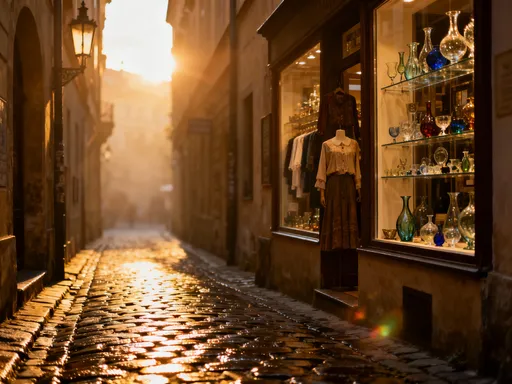
No discussion of Prague’s shopping culture would be complete without mentioning its legendary craftsmanship. Czech glass, in particular, is world-renowned for its clarity, color, and intricate cutting. While many tourists buy glass souvenirs in chain stores, the true experience lies in visiting small studios where artisans still blow, cut, and engrave glass by hand. In neighborhoods like Holešovice and Smíchov, family-run workshops welcome visitors to watch the process up close—seeing molten glass shaped by skilled hands, then cooled and polished into delicate vases, ornaments, or jewelry.
Buying directly from these studios means more than getting a beautiful object—it means connecting with a tradition that dates back centuries. Bohemian glass was once a luxury export, prized by European royalty. Today, master glassblowers continue the craft with the same precision and pride. Their pieces are not mass-produced; each has slight variations that make it unique. A cobalt-blue decanter might have a subtle twist in its stem, or a set of wine glasses could feature hand-etched floral patterns that catch the light in unexpected ways.
Jewelry making is another art form deeply rooted in Czech culture. Silver and garnet jewelry, in particular, have long been favorites. Garnet, the national gemstone, is often set in intricate filigree designs that reflect both folk influences and Art Nouveau elegance. Local jewelers frequently work in small ateliers, where they design and craft each piece themselves. Visiting one of these studios allows you to commission a custom piece—perhaps a pendant with your birthstone or a bracelet engraved with a meaningful date. The result is not just jewelry, but a personal heirloom.
Pottery, too, holds a special place in Czech homes. While many associate Czech ceramics with rustic mugs and plates, contemporary potters are reimagining the craft with modern shapes and glazes. In small studios tucked into residential streets, you’ll find hand-thrown bowls in soft matte finishes, vases with organic textures, and dinnerware sets that blend functionality with artistry. These pieces are made to be used, not just displayed—meant to enhance everyday moments with beauty and intention.
Supporting these artisans is one of the most meaningful ways to shop in Prague. Your purchase helps sustain a tradition that might otherwise fade. It also ensures that what you bring home is not just a souvenir, but a piece of living culture. For women who value quality, heritage, and the human touch, these studios offer some of the most rewarding shopping experiences in the city.
Navigating Tourist-Filled Areas Without Losing Authenticity
No visit to Prague is complete without walking across the Charles Bridge or strolling through Old Town Square. But anyone who’s shopped in these areas knows the challenge: souvenir shops overflow with the same mass-produced items—snow globes, plastic puppets, cheap trinkets stamped with the city’s name. While convenient, these goods rarely capture the spirit of the city. The good news is that even in these high-traffic zones, authentic shopping is still possible—if you know where to look.
The key is to venture just off the main paths. A single side street can make all the difference. On Celetná Street, for example, tucked between souvenir stalls, you’ll find small galleries selling original prints by Czech artists or family-run shops offering handmade beeswax candles and herbal teas. These businesses survive by offering something distinctive—products that reflect local tastes rather than tourist expectations. Similarly, in the alleyways surrounding the Astronomical Clock, independent boutiques hide behind unassuming doors, selling everything from hand-bound notebooks to organic skincare made with Czech herbs.
Learning to spot the genuine among the generic takes patience but pays off. Authentic shops often have simpler displays—no flashing signs or loud music. The owners are usually present, and they may speak limited English but will gesture warmly as they show you their wares. Look for items with Czech labels, local ingredients, or traditional techniques. A wooden toy carved in the Czech Republic, for instance, will feel different from a plastic import—lighter in weight, smoother in finish, with a quiet elegance that speaks of care.
Another strategy is to visit during the week, when the tourist crowds thin out. Shopkeepers have more time to talk, and you’re more likely to encounter locals making their own purchases. This creates a more relaxed atmosphere, where shopping feels like a shared experience rather than a transaction. For women who value connection and quality, these quieter moments can be the most memorable part of a trip.
Putting It All Together: A Smarter Way to Shop in Prague
Shopping in Prague doesn’t have to mean choosing between convenience and authenticity. With a little curiosity and intention, it’s possible to experience both. The city rewards those who wander beyond the obvious, who take the time to explore its neighborhoods, talk to its makers, and appreciate the quiet beauty of handmade things. Whether you’re browsing a riverside flea market, stepping into a glassblower’s studio, or chatting with a designer in Vinohrady, each moment adds depth to your journey.
The most meaningful souvenirs are not the ones you find—they’re the ones you discover. They come from conversations, from chance encounters, from the joy of holding something that was made with care. In Prague, shopping can be a form of storytelling, where every purchase carries a memory: the scent of spices in a market, the sound of a jeweler’s hammer, the warmth of a shopkeeper’s smile. These are the details that stay with you long after the trip ends.
As you plan your visit, remember that the best shopping experiences often happen when you’re not looking. Let go of rigid itineraries. Allow yourself to get lost in a side street, to pause at a market stall, to say yes to a recommendation from a local. These small acts of openness lead to the most authentic finds. And when you return home with a hand-blown glass ornament, a vintage coat, or a piece of silver jewelry, you’re not just bringing back an object—you’re bringing back a piece of Prague’s soul.
For the thoughtful traveler, especially women who value beauty, quality, and connection, Prague offers more than sights. It offers a way to engage with a culture through its crafts, its markets, and its people. In a world where so much feels disposable, Prague reminds us of the enduring value of the handmade, the unique, and the real. Let your shopping be more than a checklist. Let it be a journey—one that deepens your experience and enriches your memories.